


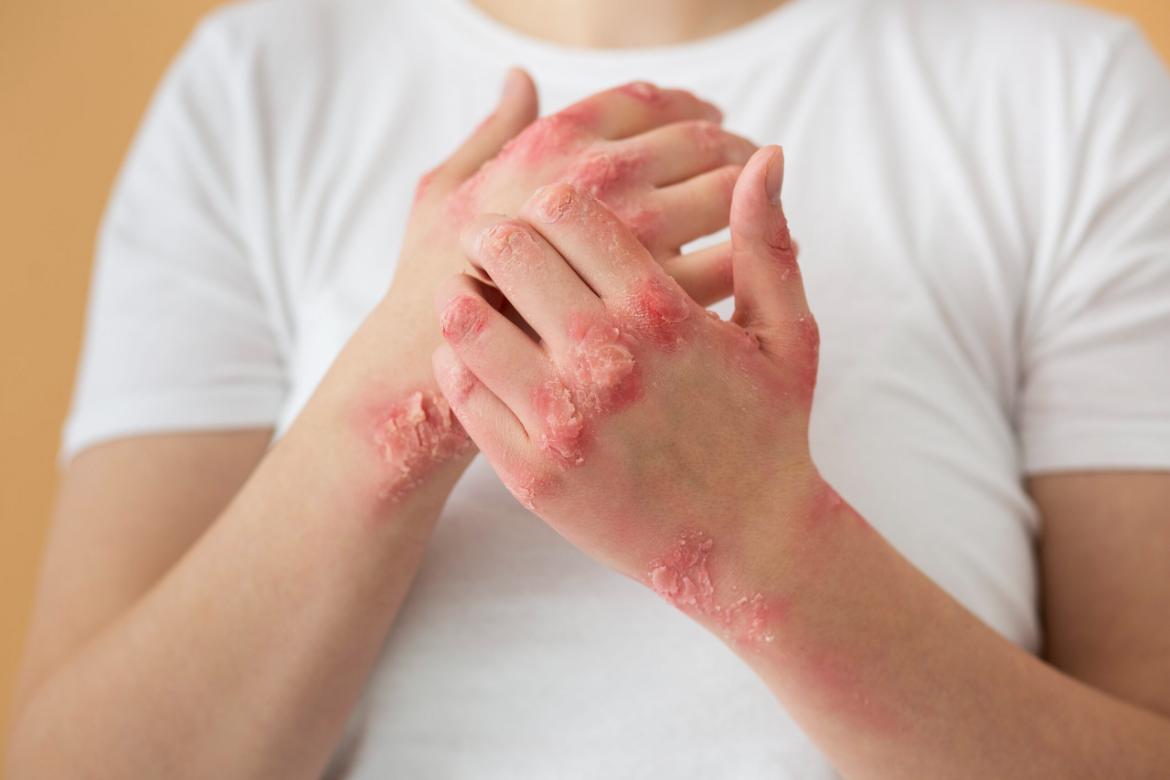
What is pemphigus? Pemphigus symptoms and treatment options
What is Pemphigus?
Pemphigus is an autoimmune disease in which the immune system mistakenly attacks cells in the skin and mucous membranes. It can cause blisters and sores on the skin and mucous membranes, particularly in the mouth, nose, throat, eyes, and genital areas. The most common form of the disease is known as pemphigus vulgaris. This disease is not contagious and presents with symptoms such as fluid-filled blisters, sores, and redness on the skin. It is a rare autoimmune disease affecting the skin and mucous membranes, characterized by fluid-filled blisters that can lead to cellular destruction and is potentially life-threatening.
Pemphigus, which can affect the epidermis, can cause lesions and blisters that rupture easily. It can affect all ages and genders, but is more common in middle-aged and older adults. It is a chronic disease and can lead to serious consequences if left untreated, but it can often be controlled with medication.
What Causes Pemphigus?
Pemphigus occurs when the immune system mistakenly perceives its own skin as a foreign substance. This misperception leads to the development of fluid-filled blisters called bullae. These blisters appear on the epidermis, the outer layer of the skin, and on the mucous membranes.
While the immune system normally fights off germs that could harm the body, in people with pemphigus, the immune system mistakenly attacks its own cells. This causes skin damage and leads to the formation of fluid-filled blisters.
Pemphigus Types and Characteristics
It's a disease characterized by fluid-filled blisters that vary in size and location. While pemphigus vulgaris is the most common type, there are also different subtypes.
- Pemphigus vulgaris: This is the most common type, which causes blisters in the mouth and on the skin when the immune system attacks the skin. Initially appearing in the mouth, the blisters can later appear on the skin and genitals. They are often painful and can make swallowing difficult.
- Pemphigus foliaceus: Another type that causes blisters on the chest, back, and shoulders. The blisters are usually itchy and rarely cause pain.
- Pemphigus vegetans: Similar to pemphigus vulgaris, a variant of the disease, but characterized by thicker lesions. It usually occurs in skin folds such as the groin and armpits.
- Pemphigus erythematosus (Senear-Usher syndrome): This type of shingles causes blisters on areas such as the upper back, chest, cheeks, and scalp. The fluid-filled blisters may be red and scaly.
- Paraneoplastic pemphigus: This rare type occurs in people diagnosed with cancer. Severe blisters appear in the mouth.
What are the symptoms of pemphigus?
Pemphigus is characterized by the appearance of fluid-filled blisters on the skin and mucous membranes (inside the mouth, nose, throat, eyes, armpits, and genital areas). These blisters are fragile and prone to bursting, resulting in crusty, painful sores. Symptoms may also include high fever and fatigue.
Symptoms of the disease:
- Fluid-filled blisters on the skin
- Crusty and painful sores resulting from the rupture of blisters
- The occurrence of crusty rashes on the skin
- Appearance of pinkish redness on the skin
- Bleeding from some wounds
- Itching sensation on the skin
- Fire
- Weakness
How is pemphigus diagnosed?
Diagnosis begins with a physical examination and a review of symptoms. The doctor helps make the diagnosis by observing the patient for blisters and sores on the skin and mucous membranes. Additionally, skin and mucous membrane biopsies and blood tests may be necessary to diagnose pemphigus. Biopsies help identify the disease and distinguish it from other skin conditions. Blood tests are performed to assess immune-related symptoms and detect the presence of other conditions. The results of these tests help determine the type and severity of the disease and play a key role in treatment planning.
How is Pemphigus Treated?
Treatment generally requires a multidisciplinary approach and may vary depending on the patient's condition. The main treatment methods include:
- Steroids (Corticosteroids): These are usually the first line of treatment. High doses of corticosteroids (e.g., prednisone) can reduce blisters and lesions. Doses may be reduced during treatment, and long-term use is sometimes necessary.
- Immunosuppressive Agents: In some cases, immunosuppressive drugs may be used in addition to corticosteroids. These drugs can help control disease activity by suppressing the immune system. Examples include azathioprine, mycophenolate mofetil, and cyclosporine.
- Biologics: Biologics (such as rituximab) may be used in high-risk or refractory cases. These drugs can reduce symptoms by targeting specific immune cells.
- Wound Care and Supportive Treatment: Proper wound care for disease-related lesions is crucial. Good oral hygiene should be maintained and the risk of infection minimized.
- Other Treatment Options: In some cases, treatment options such as plasmapheresis or intravenous immunoglobulin (IVIG) may also be considered.
Pemphigus treatment is personalized based on the severity of the disease, overall health, and response to treatment. Regular doctor checkups and laboratory tests are important throughout the treatment process.
What Should Pemphigus Patients Not Eat?
There are certain foods that patients should be aware of during treatment and while trying to manage their symptoms. These foods are generally considered to be irritating to mouth sores or skin lesions, or to worsen symptoms. It is particularly recommended to avoid the following foods:
- Spicy and hot foods: Spicy foods can irritate mouth sores and increase the feeling of pain.
- Hard and brittle foods: Hard or brittle foods can irritate or cause mouth sores or skin lesions. Caution should be exercised when consuming these foods.
- Acidic and sour foods: Acidic or sour foods such as lemons and oranges can further irritate mouth sores.
- Foods that are too hot or too cold: Foods that are too hot or too cold can irritate mouth sores and increase discomfort.
- Fruits and vegetables with hard skin: Fruits with hard skin, such as apples, or hard vegetables, such as carrots, can irritate mouth sores or worsen skin lesions.
Patients should work with their doctors for more specific recommendations on whether to consume certain foods. Each patient is different, and their symptoms can be affected by different foods. Therefore, it's important to create a nutrition plan that aligns with their doctor's recommendations.
Is Pemphigus Temporary?
It is generally a chronic disease and may require long-term treatment. However, with appropriate treatment, symptoms can be controlled and the patient's health can return to normal. It is important for patients to regularly work with their doctors, adhere to the recommended treatment plan, and monitor their symptoms. If left untreated, pemphigus can lead to disease progression and serious complications. Therefore, it is important for patients to receive regular medical follow-up and appropriate treatment.
What happens if pemphigus is not treated?
If left untreated, the disease often progresses and can lead to serious complications. Here are some of the potential consequences of untreated disease:
- Spreading of sores and blisters: If left untreated, the disease can lead to further sores and blisters on the skin and mucous membranes. This can significantly impact quality of life and cause pain, discomfort, and loss of function.
- Risk of infection: Open wounds increase the risk of infection. If pemphigus is left untreated, the risk of infection is even higher. These infections can be serious and pose a serious health threat.
- Feeding problems: Mouth sores can cause difficulty eating and drinking. This can lead to problems such as malnutrition and weight loss.
- Psychological effects: Untreated pemphigus can cause emotional and psychological distress, as well as physical discomfort. Chronic pain, discomfort, and changes in appearance can lead to depression, anxiety, and other psychological problems.
- Serious Complications: Untreated pemphigus can cause serious complications under the skin or in internal organs. These can include septic shock, septicemia, and other life-threatening conditions.
As a result, if left untreated, the disease can progress and lead to serious health problems. Therefore, once diagnosed, regular follow-up with a doctor and adherence to the recommended treatment plan are important.
Who Gets Pemphigus?
It's an autoimmune disease that's more common in middle-aged and older adults. However, young adults and even children can also be affected. There's no significant gender difference between men and women.
