


What is Open Prostate Surgery and How is it Performed?
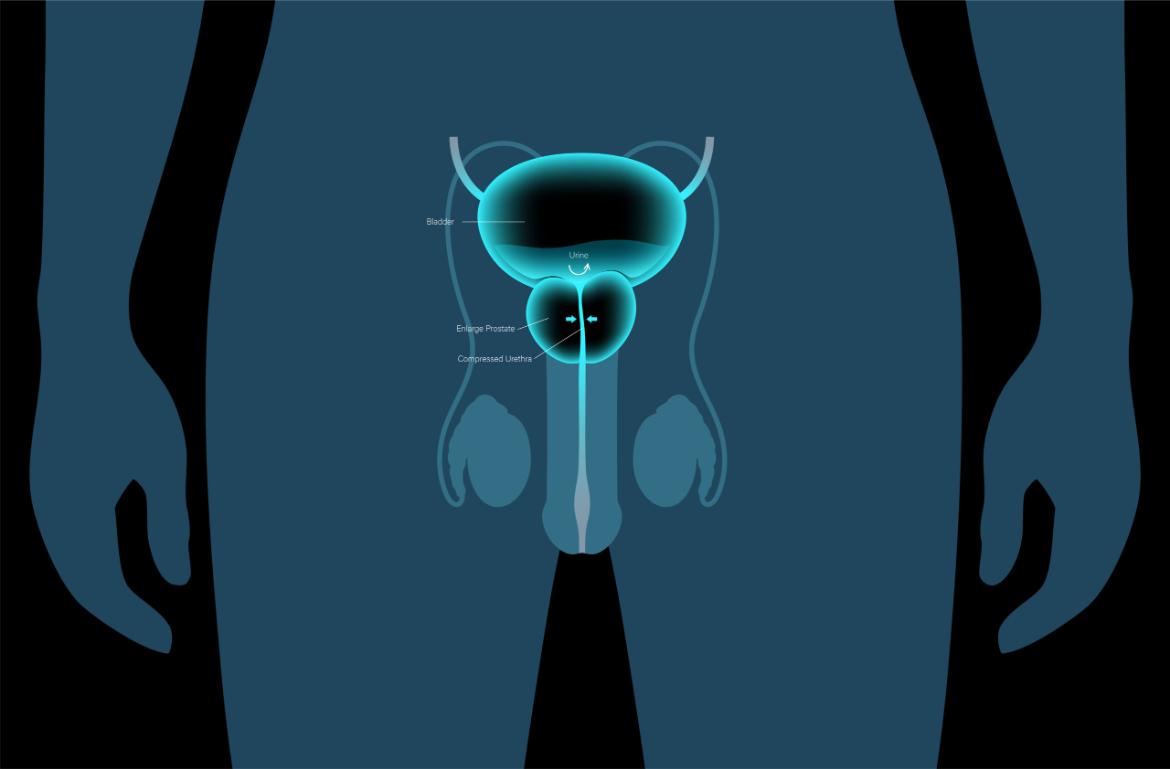
Open prostate surgery is the complete removal of the prostate gland. This surgery is used to treat prostate cancer. It is also used to treat urinary tract problems caused by an enlarged prostate.
The prostate is an organ used by men to urinate, and prostate cancer is one of the most common types of cancer in men. There are many options for treating prostate cancer, one of which is open prostate surgery.
Open prostate surgery is usually performed under general anesthesia. The patient is sedated and continuously monitored by the anesthesia team during the surgery. Afterward, antibiotics are administered to clean the surgical area. During the surgery, the surgeon makes an incision and removes the entire prostate gland. This procedure takes approximately 2-3 hours, and the patient may need to stay in the hospital for a few days afterward.
Advantages of Open Prostate Surgery
Open prostate surgery has many advantages and significantly improves patients' health. It can also provide better long-term results than other prostate cancer treatment options. Some of the advantages of open prostate surgery include:
- Complete control of cancer cells: Open prostate surgery allows for the complete removal of cancerous prostate tissue. This helps control cancer cells and plays a crucial role in the patient's fight against cancer.
- Treatment of urinary tract problems: Open prostate surgery is effective in treating urinary tract problems caused by an enlarged prostate. This procedure helps open the urethra by completely removing the prostate gland.
- Long-term results: Open prostate surgery offers longer-term results than other treatment options. This procedure provides patients with longer-term success in their fight against prostate cancer.
- Identifying cancerous cells: During open prostate surgery, the removed prostate tissue is subjected to pathological examination. This procedure helps identify cancerous cells and allows the patient to more accurately manage their cancer.
- Preventing the spread of disease: Open prostate surgery is used to prevent cancer cells from spreading to other organs. This procedure helps control the disease if the cancer is detected in its early stages.
- Recovery: Recovery after open prostate surgery is quicker than with other treatment options. This allows patients to return to their normal lives more quickly.
Open prostate surgery has many advantages and plays a significant role in treating patients with prostate cancer and urinary tract problems. However, because each patient is different, doctors must determine whether surgery is a suitable option.
Disadvantages of Open Prostate Surgery
Like any surgery, open prostate surgery has its drawbacks. Some of the disadvantages of open prostate surgery are as follows:
- Surgical risks: Open prostate surgery carries surgical risks. These risks can include serious complications such as bleeding, infection, anesthesia complications, and thromboembolic events. Therefore, the patient's health status should be thoroughly evaluated before surgery.
- Post-procedure pain: After open prostate surgery, patients may experience abdominal pain. This pain may persist for several days or weeks after surgery. However, the pain usually subsides over time.
- Urinary incontinence: After open prostate surgery, some patients may experience urinary incontinence. This may persist for several weeks or months after surgery. However, for most patients, this problem resolves over time.
- Impotence: After open prostate surgery, some patients may experience impotence. This may persist for several weeks or months after surgery. However, in most patients, this problem resolves over time.
- Incontinence: After open prostate surgery, some patients may experience loss of urinary control. This may persist for several weeks or months after surgery. However, for most patients, this problem resolves over time.
- Prolonged recovery: Recovery from open prostate surgery is often lengthy. Patients may need to rest and recover for several weeks or months after surgery. During this time, they may experience limitations in their daily activities.
Open prostate surgery has several disadvantages. However, these disadvantages are not present in every patient, and the risks of surgery vary depending on the patient's age, health, and other factors.
When Should Open Prostate Surgery Be Considered?
Open prostate surgery may be considered in cases such as prostate enlargement or prostate cancer.
- It can be considered if the prostate size is greater than 100 – 120 grams.
- It may be considered if there are large bladder stones in the urinary bladder.
- It may be considered if there are bladder balloons called bladder diverticula inside the bladder.
- It can be thought if the urinary tract is too narrow to allow the resectoscope device to pass.

What Should Be Considered After Open Prostate Surgery?
The recovery process after open prostate surgery is crucial. It's crucial for patients to take care of themselves and follow their doctor's recommendations in the postoperative period. Here are some important points to consider after open prostate surgery:
- Medication Use: After surgery, doctors often prescribe pain control medications. These medications should be used as directed. Patients should always consult their doctor before starting any medication, with the doctor's approval.
- Nutrition: Adequate and balanced nutrition is crucial after surgery. Patients are advised to drink adequate amounts of water and consume high-fiber foods. Additionally, alcohol consumption should be limited and smoking should be avoided.
- Urination: After surgery, patients should be careful when urinating. They should not strain or rush while urinating. If pain or burning is experienced while urinating, consult a doctor.
- Exercise: After surgery, doctors generally recommend light exercise. These exercises help strengthen patients' muscles and speed up the healing process. However, excessive exercise should be avoided.
- Checkups: After surgery, doctors usually schedule several follow-up appointments to monitor patients' recovery and to discuss any concerns with their doctor.
Recovery after open prostate surgery can be accelerated by patients taking care of themselves and following their doctors' recommendations. Therefore, it is crucial for patients to be vigilant and maintain regular communication with their doctors during the healing process.
Most frequently asked questions
Is Open Prostate Surgery Risky?
Like any surgery, open prostate surgery carries some risks. However, the risk level of the surgery can vary depending on the patient's overall health, the stage of the prostate cancer, and the surgeon's experience. Some potential risks of open prostate surgery include:
- Bleeding: Bleeding may occur during or after surgery. In rare cases, a blood transfusion may be necessary.
- Infection: There is a risk of infection after surgery. Infections can develop in areas such as the surgical wound, urinary tract, or lungs.
- Urinary incontinence: After open prostate surgery, urinary incontinence may occur. This is usually temporary and may improve over time, but in some patients, it can be permanent.
- Loss of sexual function: Erectile dysfunction may occur after surgery. This is related to damage to nerves or blood vessels during surgery. Sometimes, full recovery of sexual function may not be possible.
- Urinary retention: Incomplete emptying of urine (urinary retention) may occur after surgery. This may be due to narrowing of the urinary tract or other complications.
- Other complications: Other potential complications such as infection, urine leakage, and damage to the bladder or urethra may also occur after surgery.
Does Open Prostate Surgery Affect Sexuality?
Open prostate surgery can affect sexual function. Possible effects of open prostate surgery on sexual health:
- Erectile dysfunction: During open prostate surgery, nerves or blood vessels may be damaged by prostate cancer. Therefore, erection problems may occur after surgery. This may be temporary or permanent in some patients. It may take time for erections to return after surgery, and in some patients, sexual function may not fully return to normal.
- Ejaculation problems: After open prostate surgery, semen does not exit the urethra but rather travels backwards into the bladder (retrograde ejaculation). Therefore, semen output may decrease or stop completely after surgery. However, orgasmic sensation is usually maintained.
- Changes in libido (sexual desire): Open prostate surgery can affect sexual desire. Some patients may experience a decrease in sexual desire after surgery. This may be due to psychological factors, changes in hormone levels, or other effects on sexual function.
- Psychological effects : Changes in sexual function, particularly erectile dysfunction, can cause psychological stress and decreased self-esteem. In these cases, seeking psychological support, such as counseling or support groups, may be helpful.
It's important to note that changes in sexual function can vary from patient to patient. While some patients may experience a return to normal sexual function after surgery, for others, this process may take longer.
How Long Does Urinary Incontinence Last After Open Prostate Surgery?
The duration of urinary incontinence after open prostate surgery can vary from person to person. The duration and severity of urinary incontinence depend on many factors, including the type of surgery, the patient's general health, postoperative rehabilitation, and the patient's lifestyle.
