


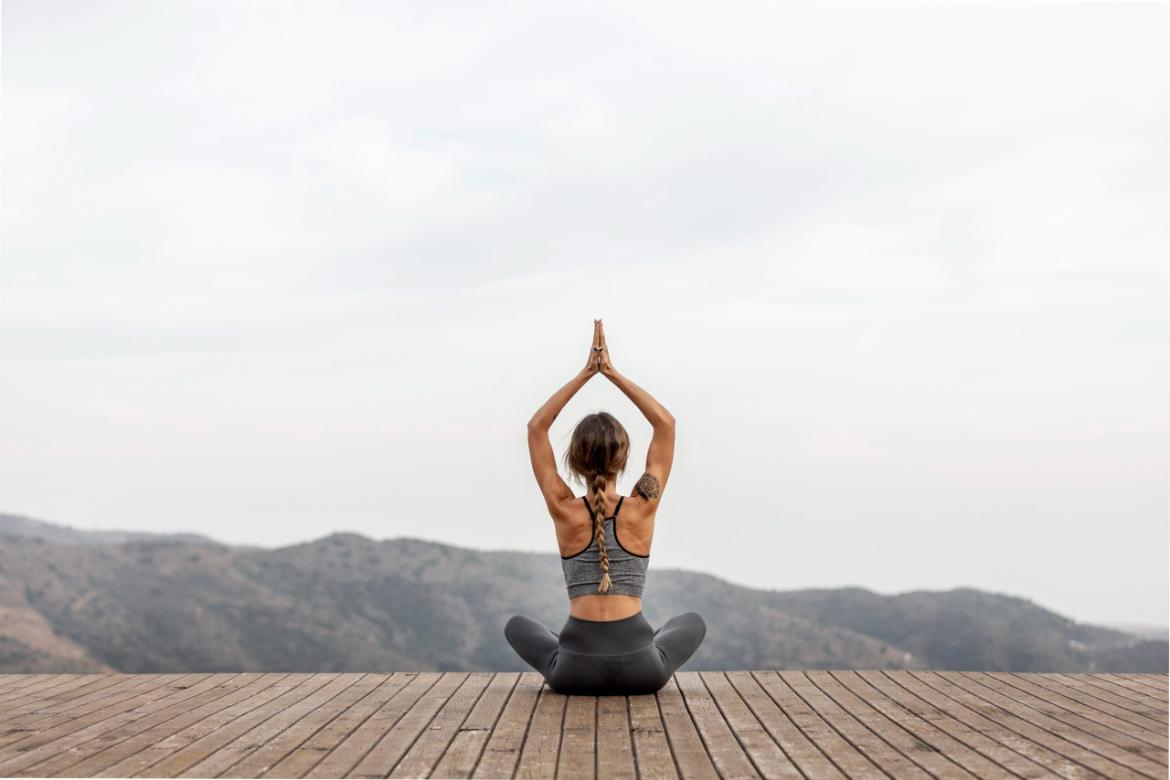
What is Meditation? How to Meditate?
Meditation is the practice of focusing and deepening the mind, and developing inner awareness. Embraced by many different cultures and belief systems, meditation is used to provide benefits such as mental relaxation, stress reduction, mental clarity, and increased inner peace.
The primary goal of meditation is to allow the mind to achieve a state of peace and tranquility. This involves directing attention to the experience of the present moment and reducing mental clutter. Meditation teaches us to observe thoughts and feelings without attachment, while allowing them to pass.
Steps for a simple meditation practice:
- Find a comfortable position: Sit or lie down comfortably. Make sure your back is straight and you are sitting or lying down comfortably. You can close your eyes or slightly close them.
- Breathe deeply : Notice your breathing and take deep, slow breaths. Breathe in through your nose and out slowly through your mouth. Focus on relaxing your body with each breath.
- Direct attention to your breath: Focus your attention on your breath. Feel the movement of your nostrils as you breathe in and out. Direct your mind to follow your breath. As you focus on observing your breath, calmly observe and release any distracting thoughts.
- Return to present-moment awareness: As you continue to calm your mind, direct your attention to present-moment awareness. Notice any sensations, sounds, smells, or sensations in your body. Direct your mind to focus solely on the experience of the moment and reduce mental clutter.
- Be patient : It's normal for thoughts or distractions to arise during meditation practice. Gently notice these thoughts and calmly release them. Be patient and bring your attention back to your breath or awareness of the moment.
Meditation can be more effective when practiced regularly every day. You can start with short periods of meditation and gradually increase the duration. There are many different methods and practices of meditation, so experiment with different techniques to find the one that works best for you. It may also be helpful to seek meditation training or guidance.
Benefits of Meditation
- Stress reduction: Meditation is an effective way to reduce stress levels. Regular meditation calms the mind, reduces the release of stress hormones, and creates a sense of relaxation.
- Mental calm and tranquility: Meditation calms the mind and provides a sense of inner peace and serenity. It reduces mental tension, alleviates mental clutter, and improves concentration.
- Emotional Balance: Meditation promotes emotional balance. By calming the mind, it makes emotional reactions more manageable, provides inner balance, and makes it easier to manage negative emotions.
- Focus and concentration: Meditation improves the ability to focus the mind. Regular meditation practice increases attention span, improves mental clarity, and strengthens concentration.
- Mental flexibility: Meditation improves mental flexibility and adaptability. Mental flexibility makes it easier to cope with stressful situations and increases mental flexibility.
- Healing effects : Regular meditation practice promotes overall health and well-being. Research shows that meditation can strengthen the immune system, lower blood pressure, improve sleep quality, and support mental health.
- Creativity and innovation: Meditation can foster creativity and innovation. By calming the mind, it helps overcome mental barriers and sparks new ideas.
- Better relationships: Meditation increases inner awareness, improving emotional intelligence and empathy, which can help foster healthier and more understanding relationships.
The benefits of meditation may vary from person to person, but a regular and consistent meditation practice generally produces positive effects. When meditation becomes a part of a lifestyle and is practiced regularly, it's possible to achieve a more balanced mental and emotional state.

Types of Meditation
- Mindfulness meditation : In this type of meditation, you direct your attention to a specific focal point, such as an object, your breath, or a repeated mantra. Holding your attention there aims to calm the mind and enhance focus.
- Mindfulness meditation: In mindfulness meditation, you focus on increasing your awareness of the present moment. By observing your senses, thoughts, emotions, or body, you learn to fully focus on the experience of the moment. This type of meditation increases internal awareness and teaches you to observe your mental state.
- Relaxation meditation: In relaxation meditation, you aim to relax the body and mind. It aims to reduce tension by using techniques such as deep breathing, relaxing muscle groups, and calming the mind. This type of meditation reduces stress and promotes relaxation.
- Transcendental meditation (TM): TM is a meditation technique originating in India that uses mantra repetition to calm the mind. A personalized mantra is used and repeated during meditation. This type of meditation calms the mind and promotes inner peace.
- Loving-Kindness Meditation: Loving-Kindness meditation aims to increase love, compassion, and tolerance. During this meditation, you strengthen positive thoughts and intentions toward yourself and others. This type of meditation enhances emotional balance and fosters a forgiving state of mind.
- Yoga Nidra: Yoga Nidra is a meditation of deep relaxation and inner awareness. By focusing on each part of the body in turn, you achieve a state of conscious relaxation. This form of meditation reduces stress, calms the mind, and improves sleep quality.
- Zen Meditation: Zen meditation is a form of meditation derived from the Zen Buddhism tradition. Also known as zazen, this form of meditation involves sitting. Using correct posture and breathing techniques, it helps calm the mind and achieve inner alertness.
These are just a few examples of meditation types; there are many different methods and practices. Because everyone's preferences and needs are different, it's important to experiment to find the type of meditation that best suits you. Additionally, seeking meditation training or guidance can also support your meditation practice.
What are the effects of meditation on the body?
- Stress reduction: Meditation reduces stress by reducing the release of stress hormones (such as cortisol). Deep breathing and calming the mind reduce tension in the body and promote relaxation.
- Lower blood pressure: Meditation, when practiced regularly, can lower blood pressure. Lower blood pressure can improve heart health and reduce the risk of hypertension.
- Improved heart health: Meditation can lower heart rate and regulate heart rhythms. This can improve heart health, reduce the risk of heart disease, and have positive effects on the cardiovascular system overall.
- Strengthening the immune system: Meditation can help strengthen the immune system. Research shows that regular meditation can boost immune function and increase the body's resistance to infection and disease.
- Improved sleep quality: Meditation can improve sleep quality, leading to deeper, more restful sleep. For individuals with sleep problems, meditation can increase sleep duration and regulate sleep patterns.
- Pain and inflammation reduction: Meditation may improve chronic pain management skills and reduce pain perception. It may also positively impact inflammatory processes by reducing inflammation.
- Increased mental and emotional well-being: Meditation improves mental and emotional well-being. Regular meditation practice can help reduce stress, anxiety, and depression, improve mental health, and promote an overall positive mood.
These effects may vary from person to person, but regular meditation practice generally leads to positive changes in the body and mind. A regular and consistent meditation practice is important for long-term effects.
Meditation and Illness
In addition to improving mental health, meditation can also be beneficial if you have a medical condition that could be exacerbated by stress. Many experts believe that meditation can help manage some symptoms. However, it's important to remember that meditation is not a substitute for traditional medical treatments. Therefore, it's important to consult a qualified healthcare professional if you have any health concerns or medical conditions before using meditation as a treatment.
Meditation can be helpful for people with a variety of conditions, including anxiety, asthma, cancer, chronic pain, depression, and heart disease. However, it's important to seek professional guidance on how to properly administer meditation, which techniques to use, and how to practice. A qualified physician or meditation instructor can help you create a meditation program tailored to your specific needs and specific needs.
Meditation can be effective in managing stress and providing relaxation and mental balance. However, remember that meditation is not a substitute for medical treatment and that you should always follow the recommendations of a professional. When using meditation as a supportive and complementary tool, it's important to collaborate with your doctor and follow up regularly.
