


What is Lymphocyte? High and Low Lymphocytes in Blood
What is a Lymphocyte?
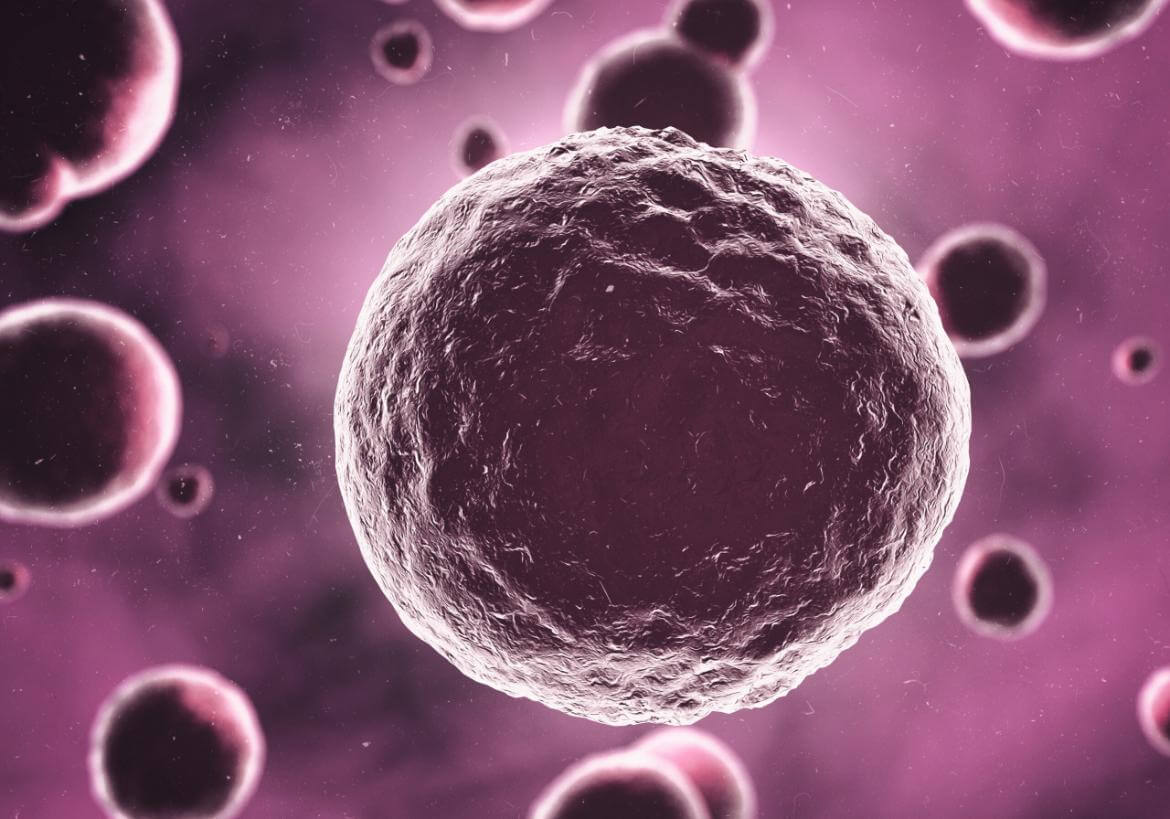
Lymphocytes are a key component of the body's immune system. These white blood cells are part of the body's defense mechanism against pathogens and play a crucial role in combating infections, viruses, and other foreign substances. Lymphocytes are divided into two main groups:
- T lymphocytes: These are cells that regulate the body's immune response. They recognize infected cells and can attack them directly, and they are also effective in fighting tumors.
- B lymphocytes: These are the cells responsible for producing antibodies. Antibodies protect the body by neutralizing pathogens. B lymphocytes also remember previously exposed pathogens, creating a defense against future infections.
Levels of these lymphocytes can be measured through blood tests to assess health and understand the body's immune system. High or low LYM levels can be a sign of various health problems or infections. Therefore, maintaining LYM levels within the normal range is important for a healthy immune system.
What is LYM used for?
Lym cells play an important role in the body's immune system. These white blood cells function as part of the defense mechanism against various pathogens. The primary functions of lym cells are:
- Defense against foreign substances: Lymphocytes fight against foreign substances such as bacteria, viruses, fungi, and parasites that enter the body. They detect these pathogens and activate the immune system against them.
- Antigen recognition and memory: Lymphocytes recognize and remember antigens (foreign substances) attacked by the immune system. This allows the body to recognize these antigens and mount a more effective defensive response after previous infections .
- Cellular immunity: T lymphocytes directly target and fight infected cells. These lymphocytes specifically recognize and destroy infected or damaged cells, such as viruses or cancer cells.
- Antibody production: B lymphocytes are responsible for the production of proteins known as antibodies. These antibodies help the immune system fight pathogens by neutralizing them.
These functions of LYMs are vital for protecting the body from infection and ensuring the proper functioning of the immune system. Proper functioning of these cells protects the body against disease by promoting a healthy immune response.
What is LYM and what is its normal value?
The normal value for lymphocyte count (LYM) is a parameter usually measured during a complete blood count (CBC) test and correlates with blood volume. In adults, the normal value for lymphocytes can range from approximately 1000 to 4800 lymphocytes per microliter (mcL). However, laboratory standards and units of measurement can vary, so results should be interpreted according to the laboratory's own reference ranges.
Lymphocyte counts in children may vary slightly from those in adults. Generally, a normal lymphocyte count in children is between 3000 and 9500 lymphocytes per microliter (mcL).
These values may vary depending on the laboratory, age, gender, pregnancy status, and individual health status. Results should be interpreted based on the laboratory's reference ranges and the interpretation of your healthcare professional. It is important to consult your doctor to determine if the measured values are normal for a given individual.
What is Low Lymphocyte Count (Lymphomenia)?
Lymphopenia refers to the condition of not having enough lymphocytes. A low lymphocyte count occurs when the lymphocyte count falls below a certain range per microliter. This condition is generally considered lymphopenia in adults with a count below 1000 lymphocytes per microliter and in children with a count below 3000 lymphocytes per microliter.
There may be many reasons for this situation:
- Infections: Common viral infections such as the flu and cold, or bacterial infections can cause temporary lymphopenia.
- Autoimmune Diseases: Autoimmune diseases such as rheumatoid arthritis and lupus can cause LYMs to aggressively attack body cells.
- Medications: Drugs used to treat cancer, such as chemotherapy or radiation therapy, can lower the number of lymphomas.
- Immune system problems: Serious infections such as HIV and AIDS can cause lymphopenia.
- Nutritional deficiencies: Vitamin or mineral deficiencies, particularly B vitamins, folate, or iron deficiency, can affect LYM production.
- Hereditary diseases: Genetically transmitted immune system disorders or immunodeficiency states can cause lymphopenia.
- Corticosteroids used to treat chronic diseases can reduce LYM levels.
- Toxic substances: Chemical substances or toxins may negatively affect the production or function of LYMs.
Treatment is aimed at the underlying cause of lymphopenia. Therefore, a doctor's examination and necessary tests are necessary for a correct diagnosis. If the condition is the result of an underlying condition, treatment should be planned specifically for that condition. In many cases, lymphedema can be reversed with appropriate treatment and care. Therefore, it is important to consult a healthcare professional and receive appropriate treatment and care.
How is the LYM Test Performed?
The basic tests used to quantify LYMs are:
- Complete Blood Count (CBC): This test determines the number of lymphocytes in a blood sample. The CBC measures important blood parameters such as white blood cells (WBCs), red blood cells (RBCs), platelets, and hemoglobin. The percentage and number of lymphocytes are determined with this test.
- Flow cytometry: This test is used to analyze cells in blood or other body fluids. Flow cytometry is used to identify the types and subtypes of lymphocytes. This test can identify various subtypes of lymphocytes (e.g., T lymphocytes, B lymphocytes) and their percentages.
These tests determine the number and types of lymphomas (LYMs), providing information about potential infections, autoimmune diseases, cancer, or other medical conditions. Both tests are used to determine the number and types of lymphomas and play a crucial role in helping doctors diagnose and monitor the condition. These tests are ordered by a healthcare professional and performed by specialists in a laboratory.
What is LYM? How is it Treated?
Whether lymphocytes are low or high, treatment is usually directed at the underlying cause, and a specific treatment modality is determined based on the cause identified. For example:
Treatment for low LYM:
- Low LYM levels can often be a sign of a disease. Treatment will depend on the underlying condition. For example, if an infection is present, treatment may include antibiotics. In other cases, if the cause is not an infection, treating the underlying cause is the priority.
- If an autoimmune disease is causing lymphocytopenia, treatment with immunosuppressive medications may be used.
- In more serious cases, such as cancer, more aggressive treatments such as chemotherapy, radiation therapy, or medication may be necessary.
Treatment of high LYM:
- Elevated Lymphocytic lymphoma (LYM) can often be a sign of an infection or other condition. Treatment may include treating the underlying cause. For example, if you have a bacterial infection, it can be treated with antibiotics.
- If there is a condition related to the immune system, special medications or immunosuppressive treatments may be used.
When it comes to home treatment, improving eating habits, maintaining a balanced diet, drinking plenty of fluids, and exercising regularly are important for maintaining a healthy lifestyle. However, for serious health conditions, such as low or high LYM, it's important to follow the advice of a specialist. Treatment may vary depending on the diagnosis and underlying cause. Therefore, it's best to consult a healthcare professional for a correct diagnosis and appropriate treatment.
When is High Lymphocyte Count Dangerous?
High Lyme levels can often be a sign that the body is fighting an infection or another health condition. High Lyme levels aren't always a sign of danger or an emergency, but they can indicate an underlying health problem.
Higher than normal lymphocyte levels can be a sign of several conditions:
- Infections: Lym levels can rise as the body fights an infection. Viral, bacterial, or some parasitic infections can cause high levels.
- Inflammatory Conditions: Autoimmune diseases, inflammatory conditions such as rheumatoid arthritis, or certain diseases such as lupus can increase lymphocyte levels.
- Blood Diseases: An increase in lymphocytes may be a sign of certain blood diseases, lymphoma, leukemia, or other hematological (blood-related) problems.
- Stress or Physical Activity: Intense stress or excessive physical activity can temporarily raise lymphocyte levels.
- Medical Treatments: Certain medications or treatments can cause an increase in lymphocytes.
How to Lower Lym Height?
There is no specific method to lower lymphocyte counts. However, treating the underlying health condition that is causing the elevated lymphocyte count increases the likelihood of improvement.
Conditions that can cause elevated Lymphocytic lymphocytes (LYM) may indicate that the body is fighting an infection or another health issue. Therefore, rather than simply lowering Lymphocytic lymphocytes (LYM), it's more important to identify the underlying cause and implement appropriate treatment.
Adopting a healthy lifestyle can strengthen the immune system and improve overall health. This can help balance Lyme levels. A healthy diet, regular exercise, adequate water intake, and avoiding stress can all strengthen the immune system.
However, if elevated Lymphocytic lymphoma (LYM) levels are detected, it's best to consult a doctor to address any underlying health issues. A qualified healthcare professional will perform the necessary tests to make a proper diagnosis and determine appropriate treatment options. Therefore, if you have any concerns or notice any symptoms, it's recommended to consult a doctor.
