


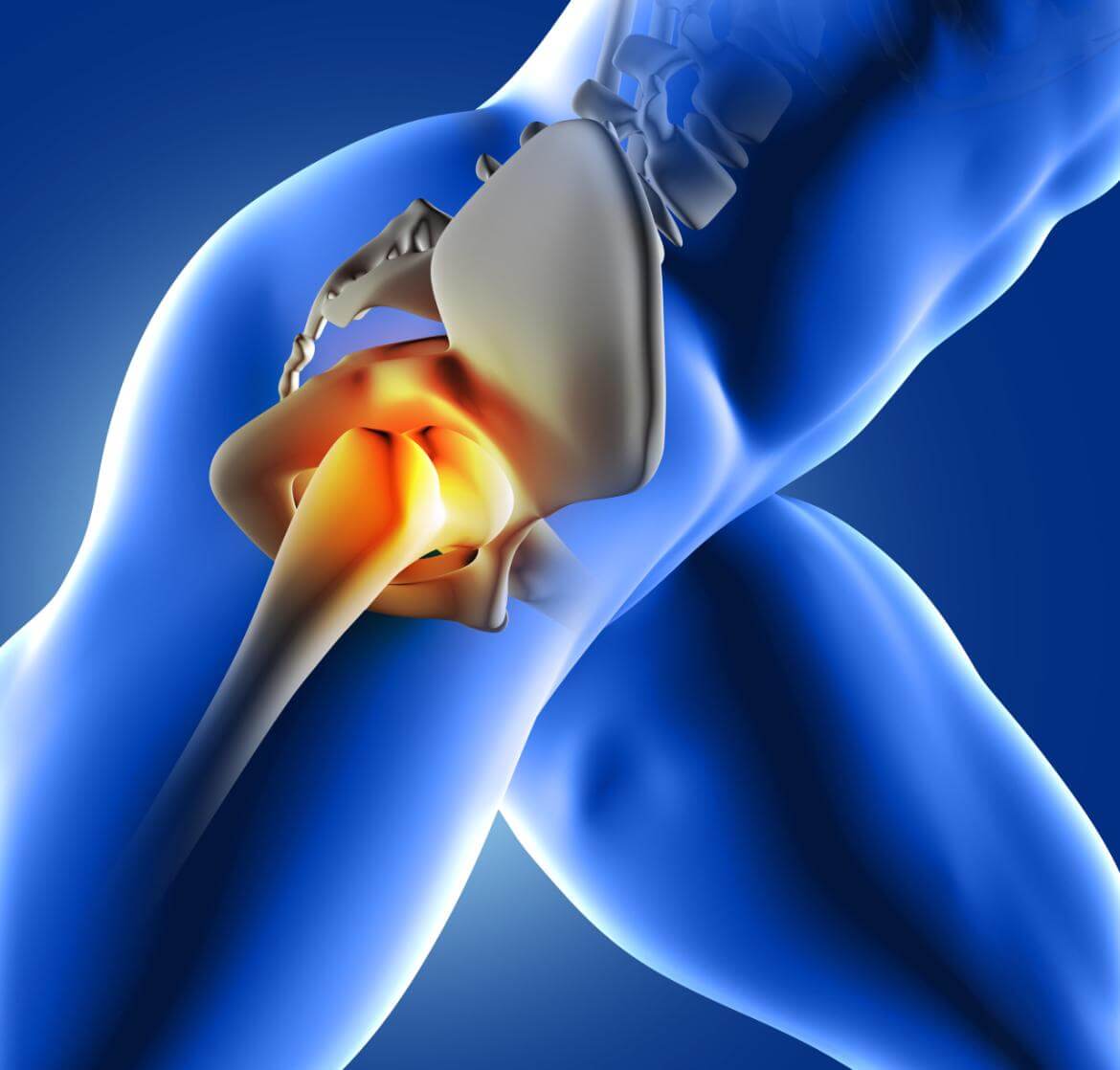
What is Hip Replacement Surgery?
Hip replacement surgery is a surgical procedure performed to treat pain and discomfort caused by hip joint problems. This surgery is preferred when the hip joint is damaged or has lost function due to conditions such as degenerative diseases. Hip replacement surgery aims to improve the patient's quality of life and restore hip joint function.
Who is Suitable for Hip Replacement Surgery?
Hip replacement surgery is performed to help people experiencing hip pain and loss of function. Below, we explain in more detail who is a good candidate for this surgery:
- Osteoarthritis: Osteoarthritis is a condition that causes pain, swelling, and limited movement due to calcification and degeneration in the hip joint. Surgery may be an option for individuals whose quality of life is significantly diminished by this condition.
- Rheumatoid arthritis and other inflammatory joint diseases: Inflammatory joint diseases such as rheumatoid arthritis can severely damage the hip joint and cause chronic pain. Surgery may be considered to reduce the effects of these diseases.
- Hip fractures: Hip fractures are common in older adults and can cause significant damage to the hip joint. In these cases, surgery may be used to repair the fracture and restore joint function.
- Femoroacetabular Impingement (FAI): FAI is a condition characterized by abnormal changes in the structure of the hip joint and can cause hip pain in young people. Surgery may be an option for those who do not respond to conservative treatments such as medications and physical therapy.
- Hip dislocations: Hip dislocations can occur as a result of trauma or abnormalities of the hip joint. Surgery can be used to correct the dislocation and restore joint function.
- Other hip problems: Various other conditions affecting the hip joint may also require surgery, including Legg-Calvé-Perthes disease, slipped capital femoral epiphysis, and childhood hip disorders.
Hip replacement surgery is performed to reduce pain, restore mobility, and improve the patient's quality of life. However, it's important to consult a doctor to determine if it's suitable for each patient. Factors such as the patient's age, general health, and the severity of the hip problem can influence the suitability of surgery. Your suitability for surgery can be determined after an examination by an orthopedic surgeon.
How is Hip Replacement Surgery Performed?
It is a surgical procedure to treat hip joint problems and includes the following steps:
- Anesthesia: Before surgery, the patient is given either general anesthesia or an epidural. General anesthesia is a type of anesthesia that puts the patient completely asleep, so they lose consciousness during the surgery. Epidural anesthesia, on the other hand, numbs only the lower back area, leaving the patient awake but numb.
- Incision Location: The surgeon makes an incision above the hip. The size and location of this incision can vary depending on the surgical technique and the patient's condition. The incision is usually made on the side or back of the hip.
- Removing damaged tissue: The surgeon removes the damaged hip joint tissue and the femoral head. If the femoral head is also damaged, it is removed and replaced with a prosthesis.
- Prosthetic implantation: The surgeon inserts a metal or plastic shell into the socket of the hip, called the acetabulum. A metal stem and head are also placed at the top of the femur bone. These artificial prosthetic components are designed to restore joint function. The prosthetics are inserted into the bones and secured with or without cement, if necessary.
- Closing the incision: Once the procedure is complete, the surgeon stitches the incision and applies a sterile dressing.
- Rehabilitation: It's generally recommended that patients begin physical therapy after surgery. A physical therapist will teach the patient how to move safely with the new prosthesis and provide strengthening exercises.
Post -operatively , patients must monitor their recovery. This process is important for regaining mobility and reducing pain. Patients can typically use a supportive walker or cane for several weeks.
The full recovery time after surgery can vary from person to person, but typically takes several months. Patients should continue regular post-operative checkups and follow the instructions given by their doctor.
Life After Hip Replacement Surgery
The postoperative period is crucial, and there are several important points that patients should consider. Here are some suggestions for postoperative life:
- Follow your doctor's instructions: It's important to follow your surgeon's instructions carefully. This includes taking prescribed medications regularly, attending physical therapy sessions regularly, and using walking aids.
- Physical therapy and exercise: You should attend your physical therapy and rehabilitation program regularly. This program will help you adjust to your new hip replacement and help you gain strength.
- Progress slowly and safely: It's important to start moving around after surgery, but don't overdo it. You should exercise as recommended by your doctor and physical therapist. You can start with slow walks in the early stages and gradually increase your activity level.
- Regular weight control: Avoiding excess weight gain can increase the durability of the new prosthesis and facilitate the healing process.
- Careful shoe selection: Make sure your shoes have flat, non-slip soles. Shoe selection can affect your walking balance and posture.
- Wound care: Take special care of your post-operative wound. Keep the wound area clean and dry. Dress as directed by your doctor.
- Home arrangements: When you return home, it's important to keep your home clear of obstacles and hazards. If necessary, you can use assistive devices such as grab bars, elevated toilet seats, or shower seats.
- Communication: Maintain regular contact with your doctor. If you experience any post-operative problems or complications, contact your doctor immediately.
- Patience: The healing process varies from person to person. Be patient and allow your body to heal gradually.
Post-operative care is crucial to supporting active recovery and allowing the patient to adjust to their new hip replacement. Following the recommendations of your surgeon and healthcare team will make this process go smoothly.
What are the risks of hip replacement surgery?
A major surgical procedure such as hip replacement surgery carries potential risks. However, with modern surgical techniques and improved prosthetics, these risks are generally kept low. Potential risks of hip replacement surgery include:
- Infection: There is a risk of infection after surgery. The surgical site and prosthetic implants can become infected. This is usually treated with antibiotics or, if necessary, implant removal.
- Blood clots: The risk of blood clots (thrombosis) may increase after surgery. These clots can lodge in the leg veins (deep vein thrombosis) or travel to the lungs (pulmonary embolism). Doctors often try to reduce this risk by prescribing anticoagulant medications or frequent leg exercises.
- Prosthesis problems: Problems may occur due to implant wear, loosening, or other reasons. In these cases, revision surgery may be necessary.
- Mismatch or standing problems: When the size or position of the prosthetics is incorrect, leg length discrepancies or mismatch problems can occur.
- Bleeding: There is a risk of bleeding during or after surgery. This may require surgery to control bleeding.
- Nerve damage: There is a risk of nerve damage during surgery, which can cause loss of sensation or muscle weakness.
- Problems with prosthetic implants: In rare cases, design or manufacturing defects in prosthetic implants can cause problems. In such cases, the implant may need to be replaced.
- Bleeding and non-infectious skin problems: In addition to wound infections during the healing of the surgical incision, sometimes skin problems, wound dehiscence or wound healing problems may also occur.
The risks of surgery vary from person to person and depend on factors such as the patient's overall health, age, lifestyle, and the complexity of the surgery. Your surgeon will thoroughly evaluate the risks and benefits of surgery and help the patient decide whether to undergo this procedure. Please feel free to ask your surgeon any questions or concerns you may have before surgery.
What are the Types of Hip Replacement?
Hip replacement surgery is a treatment option that can be customized to each patient's needs. The appropriate treatment is chosen based on the patient's age, overall health, degree of joint damage, and lifestyle. It's important for the patient to have a detailed consultation with an orthopedic specialist to decide which type of prosthesis to use. These types of options are successful treatment options that aim to improve patients' quality of life and allow them to lead more active lives.
- Total Hip Replacement (THA): This is the most commonly used type of prosthesis. A total hip replacement replaces both surfaces of the joint (the femoral head and the joint bed). This procedure is often used to treat severe hip pain and limited range of motion caused by conditions such as osteoarthritis, rheumatoid arthritis, and cartilage damage. It significantly reduces pain and allows patients to move more comfortably.
- Partial Hip Replacement (Hemi-Arthroplasty): A partial hip replacement is a surgical procedure that replaces only one side of the hip joint. It is generally suitable for patients with severe damage to the femoral head but an intact joint bed (pelvic portion). It may be a more common option for older patients or individuals with low activity levels. This type of replacement is generally less invasive and may have a quicker recovery.
- Minimally Invasive Hip Replacement: Unlike traditional hip replacements, a minimally invasive hip replacement is performed through a smaller incision. This method allows the surgeon to perform the procedure with less tissue damage. Minimally invasive techniques allow patients to recover more quickly and experience less pain. However, this procedure is not suitable for every patient. It is generally preferred for young, healthy patients with healthy joints.
- Partial Hip Replacement (Unipolar Prosthesis): Suitable for cases where only the femoral head needs to be replaced. This type of prosthesis is typically used in cases such as hip fractures. By replacing only the femoral head, movement in the hip joint is restored. It offers a less invasive option and can mean a shorter recovery time for patients.
- Custom-Made (Special Design) Hip Replacement: Custom-made hip replacements are also available for some patients. These replacements are custom-designed to suit the patient's body type and specific hip joint issues. Custom-made hip replacements are particularly suitable for patients with significant joint deformities or unique anatomical structures. This method can improve the fit of the replacement and lead to better long-term results.
In what cases is hip replacement performed?
Severe Hip Arthritis: Inflammatory diseases such as osteoarthritis or rheumatoid arthritis can cause excessive wear and tear on the hip joint. In this case, cartilage loss and severe pain may necessitate replacement surgery.
Trauma or Fractures: Major trauma or fractures in the hip area can lead to a painful condition that renders the joint inoperable. In such cases, surgery may be an option to restore joint function.
Aging-Related Changes: As we age, the cartilage in the hip joint can wear down. This can lead to stiffness, pain, and limited movement. Hip replacement surgery can be an effective solution for treating these conditions.
Knee and Hip Joint Problems: In some patients, hip joint problems can extend to the knee joint, creating a more complex situation. Treatment can help alleviate these problems.
Things to Do Before Surgery
- Detailed Interview with the Doctor
- Physical Examination and Tests
- Drug Regulations
- Physical Preparation
- Information About the Surgery and Recovery Process
These preoperative preparations are critical to increasing the surgeon's success and minimizing the risk of complications.
Things to Consider After Hip Replacement Surgery
Post-Operative Walking
Walking after surgery varies depending on the type of surgery, the patient's overall health, and the recovery process. However, most patients can return to normal mobility with the right treatment and physical therapy. Careful use of walking aids early on, followed by muscle-strengthening exercises later, will ensure a rapid recovery. Post-operative walking progresses more quickly and healthily with the doctor's guidance and the patient's motivation. Light athletic activities such as running can begin approximately 4-4.5 months after surgery, with your doctor's approval.
Post-Operative Bath
Care should be taken when bathing for the first few weeks after surgery. Contact with water in the surgical area can increase the risk of infection. Showering rather than bathing is recommended in the first few days. It is generally recommended to refrain from bathing for 10-14 days after surgery to allow the wound to heal. After the wound has healed, showering or bathing is possible, but care should be taken to avoid contact with the wound during bathing. Furthermore, care should be taken to avoid slipping while bathing.
Driving After Surgery
The decision to drive after surgery depends on the doctor's recommendations. Generally, it can take several weeks for patients to regain adequate mobility and leg strength. Driving is not recommended for the first 4-6 weeks after surgery. Driving without walking aids and improved muscle strength can be risky for both the patient and other drivers. This process can vary depending on the patient's condition and the doctor's assessment, so you should always consult your doctor before driving.
Post-operative Lying Position
Sleeping positions after surgery are crucial for accelerating the healing process. Maintaining the hip joint position while sleeping is crucial to prevent dislocation of the implants. Excessive bending and turning of the hip joint should be avoided, especially during the first few weeks after surgery. Patients generally find it comfortable to sleep on their backs. Patients who prefer to sleep on their sides can achieve a more comfortable sleeping position by placing a pillow to maintain joint position. Furthermore, it's important to keep the legs parallel and straight when lying down.
Post-Operative Toilet Use
Toilet use after hip replacement surgery is an important consideration, especially in the first few weeks. Patients should pay attention to joint mobility and avoid excessive hip flexion when using the toilet. Elevated toilets or toilet seats can help prevent unnecessary hip strain. It's also important to avoid straining or bending when cleaning up after using the toilet. It's safer to seek assistance when necessary, especially in the early stages.
How Long Does the Surgery Last?
The durability and lifespan of the surgery can vary depending on several factors. Thanks to modern medical technologies and improved materials, hip replacements are generally long-lasting and can effectively serve many patients for many years. However, the lifespan of the prosthetic implant can vary depending on the following factors:
- Implant material: Implants are typically made of metal (titanium, cobalt-chromium) or ceramic. The durability of different materials can vary. Metals are generally considered more durable, but the most appropriate material for each patient is determined by the surgeon's evaluation.
- Patient activity: Physical activities performed by the patient can affect the durability of the prosthetic implant. In particular, strenuous or high-impact sports can cause accelerated implant wear.
- Patient age: The surgery can be performed on people of all ages, but younger patients may require a longer period of use because they have to live longer due to increased use and wear of the prosthesis.
- Lifestyle: Lifestyle factors such as smoking, excessive alcohol consumption, and obesity can affect the durability of a prosthetic implant.
- Gender: Some studies suggest that female patients experience faster wear of their prosthetic implants than male patients. However, this factor can vary depending on individual circumstances.
After surgery, patients should generally see their doctor for regular checkups, usually annually. The doctor can monitor the implant's condition and take necessary action if any problems are detected. The implant typically lasts 10 to 20 years or more, but this varies depending on individual factors. The timing of implant replacement depends on the degree of wear, the patient's age, and overall health.
Frequently Asked Questions
What are the Surgery Prices?
Several factors determine surgery costs. These vary depending on the patient's medical condition and the procedure. Hip replacement surgery prices in private hospitals can vary from hospital to hospital, and hip replacement prices in Ankara hospitals may differ from hospitals in other provinces. For more information about hip replacement, please visit our Private Ankara Magnet Hospital and speak with our Orthopedic and Traumatology Surgery doctor, or call us to schedule an appointment.
What Happens If I Don't Have Surgery?
It's a surgical procedure performed to treat pain, limited mobility, and decreased quality of life caused by hip joint problems. Conditions requiring this surgery can often lead to serious health problems, and if left untreated, these problems can worsen. Without surgery, you may experience the following adverse outcomes:
- Increasing pain: Problems with the hip joint can cause increasing pain over time. This pain can limit your ability to perform daily activities and negatively impact your quality of life.
- Limited mobility: Hip joint problems can lead to limited mobility due to pain and stiffness in the joint. This can make it difficult to perform simple daily activities.
- Hip deformity: Progressive osteoarthritis or other joint diseases can cause permanent deformities in the hip joint.
- Loss of independence: Due to limited mobility and pain, you may have difficulty performing personal care and activities of daily living independently, which can significantly reduce your quality of life.
- Loss of work: Due to pain and limited mobility, your ability to work may be reduced and the risk of job loss may increase.
- Depression and anxiety: Chronic pain and limited mobility can also negatively impact emotional health and increase the risk of depression or anxiety.
- Other health problems: Hip joint problems can make walking difficult and increase the risk of falls. Falls can lead to broken bones and other serious injuries.
- Decreased quality of life: When the above factors combine, your overall quality of life can decrease significantly.
This can help prevent or mitigate negative outcomes. Therefore, it's important for people with hip joint problems who require surgery to consult with an orthopedic specialist to discuss appropriate treatment options. Surgery can significantly improve quality of life and restore freedom of movement.
How Long Does Hip Replacement Surgery Take?
It is performed under general anesthesia and takes approximately 1-1.5 hours.
What are the Harms of Delaying Hip Replacement Surgery?
Delaying surgery may cause some health problems to worsen and the healing process to become more difficult.
Increased Pain and Discomfort:
- Muscle and Joint Weakness
- Decreased Quality of Life
- Risk of Joint Deformation
- Other Joint and Muscle Problems
- Prolonged Recovery Process
Is There an Age Limit for Surgery?
While there is no specific age limit for the surgery, it is more commonly performed on individuals over 60. However, younger individuals can also undergo the surgery. For example, some patients require hip replacement surgery at an early age due to extensive damage to the hip joint or genetic conditions.
As we age, cartilage in the hip joint wears down, leading to pain and limited movement. However, aging can also affect a person's overall health. For individuals over 80, surgical decisions are made based on the health of organs such as the heart, lungs, or kidneys. In such patients, a more careful assessment is made regarding their overall health, the safety of the surgery, and the recovery process.
Who Cannot Have Hip Replacement?
It may not be suitable for every patient. The necessity of surgery varies depending on the patient's overall health, the extent of joint damage, and other individual factors. Before hip replacement surgery, a comprehensive evaluation by a qualified orthopedic surgeon is essential. If you are not a suitable candidate for surgery, alternative treatment methods and appropriate management plans can be identified to achieve optimal results.
How Long Does Post-Operative Physical Therapy Last?
Post-operative physical therapy varies depending on each individual's recovery rate and the course of the surgery. Patients typically begin an intensive physical therapy program during the first 2-3 weeks. The primary goals are to increase joint mobility, regain muscle strength, and improve walking ability. However, a full recovery may require 3-6 months of regular exercise and therapy. Some patients, especially older individuals, may experience a slightly longer recovery period. Physical therapy is important for establishing proper movement habits that protect the prosthetic joint. The duration of treatment is individualized based on the individual's health, speed of return to daily activities, and overall physical capacity.
Does Social Security Cover Hip Replacement Surgery?
Yes, SGK (Social Security Institution) generally covers the surgery, but this may vary depending on certain conditions. For more information, please visit Ankara Magnet Hospital.
How Can I Find a Good Doctor Who Performs Hip Replacement Surgery in Ankara?
If you're looking for a good hip replacement surgeon in Ankara , there are a few key steps you can take to make the right choice. First, it's important to research experienced orthopedics and traumatology specialists. Learning about patients' previous experiences, their communication skills, and their success rates can also help you make a decision. Furthermore, the hospital's technological infrastructure and the quality of its surgical equipment play a significant role in the surgical process.
Ankara Magnet Hospital is a healthcare facility known for its experienced doctors who specialize in surgery. If you'd like to learn more about hip replacement surgery and choose a suitable doctor, you can visit Ankara Magnet Hospital and schedule an appointment with one of our specialists.
February, 2025
