


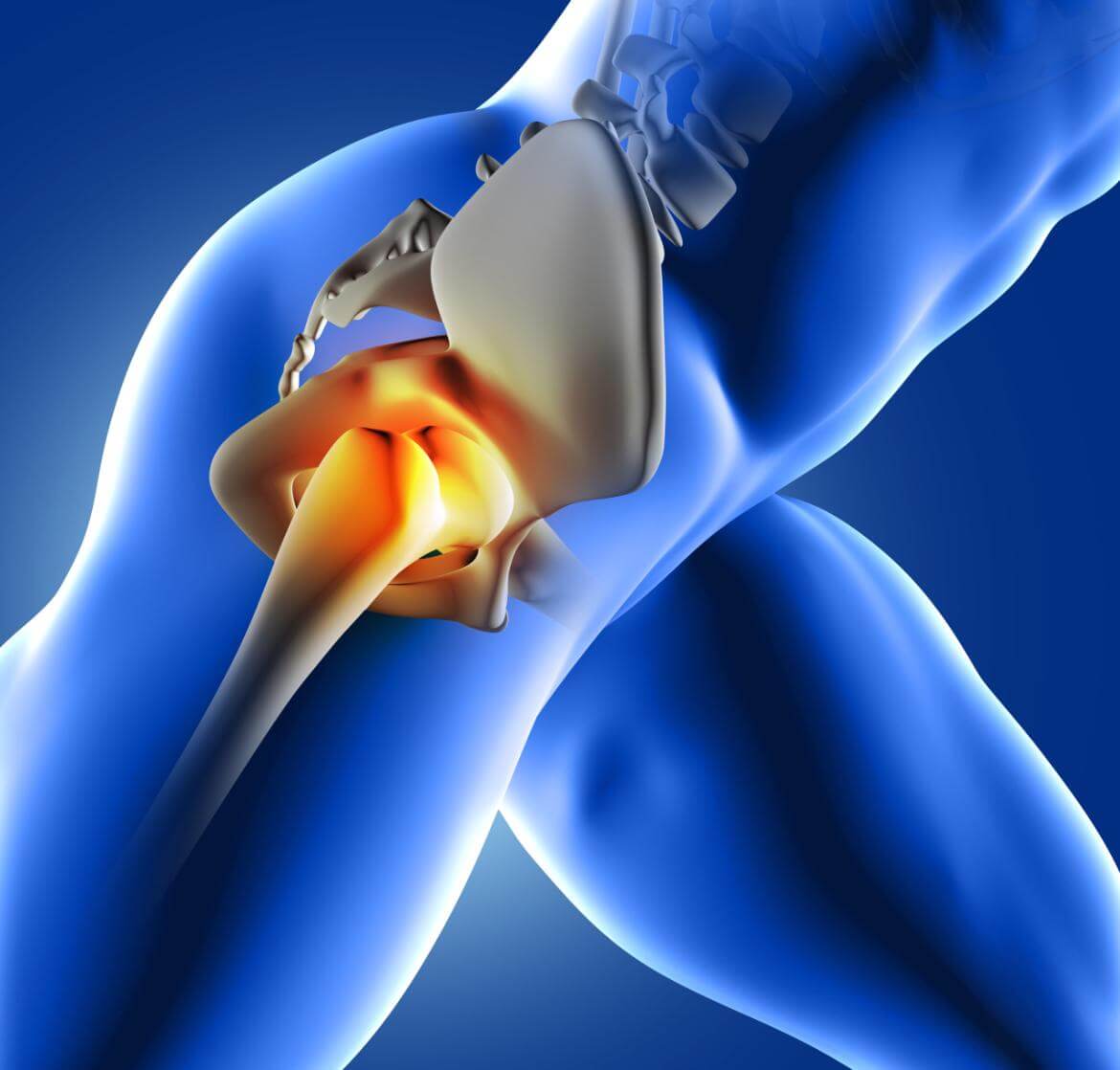
What is Hip Dislocation?
A hip dislocation occurs when the head of the femur moves out of the hip socket. This condition usually occurs as a result of trauma. In many individuals, hip dislocation can cause severe pain, limited mobility, and other complications.
Hip dislocation, also known as a hip dislocation fracture, is a condition that most commonly occurs in older people due to osteoporosis. It can also occur for a variety of reasons, including sports injuries, traffic accidents, and falls.
A hip dislocation is a serious condition that requires immediate medical attention. From the moment first aid is administered, the patient must be treated by a specialist to ensure their condition improves.
Treatment is typically through surgery or surgical procedures such as hip replacement. The goal of these procedures is to restore the hip bone to its correct position and allow the bone to heal. Postoperative physiotherapy is recommended to manage symptoms such as limited movement and pain.
Hip Dislocation Symptoms
A hip dislocation is a condition in which the head of the femur moves out of the hip socket. This condition usually occurs after trauma. Symptoms of a hip dislocation include:
- Severe pain : Hip dislocation usually causes severe pain. The pain is felt most intensely in the hip and groin area.
- Limited mobility: People with hip dislocations often cannot move their hips. This limited mobility can cause difficulty walking or even an inability to walk.
- Deformation: People with hip dislocation may experience an abnormal appearance in the hip area. Deformation and swelling may occur in the hip area due to displacement of the hip bone.
- Difficulty standing or walking: People with a hip dislocation may have difficulty standing or walking. Therefore, they may need to use assistive devices to move around.
- Neurological symptoms : A hip dislocation can cause nerve compression or damage, which can lead to neurological symptoms such as numbness or tingling.
A hip dislocation is a serious condition that requires immediate medical attention. Therefore, if you experience any of the above symptoms, it's important to see a specialist immediately. Prompt diagnosis and appropriate treatment can help prevent complications from a hip dislocation.
Causes of Hip Dislocation
- Trauma: Hip dislocation can occur after a traumatic event, particularly sports injuries, traffic accidents, or falls.
- Osteoporosis: Osteoporosis is a disease that causes bones to become weak and break easily. This disease can lead to hip dislocation, especially in older people.
- Cancer: Cancer can spread to the bones, called metastases, which can weaken the bones and lead to hip dislocation.
- Congenital disorders: Some people are born with congenital hip dislocation. This can occur when the hip bones don't develop properly.
- Arthritis: Arthritis can cause bone deterioration due to joint inflammation. This can also lead to hip dislocation.
- Hip replacement surgery: In rare cases, hip dislocation can occur even after hip replacement surgery.
A hip dislocation is a serious condition that requires immediate medical attention. Treatment usually involves surgery, supplemented by postoperative rehabilitation treatments such as physiotherapy.
How is Hip Dislocation Diagnosed?
A hip dislocation is the displacement of the femoral head from the pelvic cavity and is usually caused by trauma, congenital malformations, or other medical conditions. Diagnosis is usually made using medical history, physical examination, and imaging tests.
Medical History: The patient's medical history can help determine the cause of hip dislocation. Any preexisting hip condition or trauma may increase the risk of hip dislocation. Additionally, hip pain, limited mobility, loss of sensation, or other symptoms may indicate a hip dislocation.
Physical Examination: A physical examination is used to confirm the presence of a hip dislocation. The doctor may assess swelling, tenderness, and mobility in the hip area. Hip joint mobility is also checked. The doctor may also check for leg length discrepancies and observe the patient's gait.
Imaging Tests: Imaging tests are used to confirm a hip dislocation and determine its severity. These tests may include X-rays, magnetic resonance imaging (MRI), or a computed tomography (CT) scan. These tests show the condition of the hip joint, bones, and other tissues.
Diagnosis of hip dislocation is made using a medical history, physical examination, and imaging tests. Diagnosis helps determine the cause and severity of hip dislocation and is important for planning appropriate treatment.
How is hip dislocation surgery performed?
Hip replacement surgery is usually performed under general anesthesia. During the surgery, the surgeon uses a metal or plastic casing to hold the femoral head in place and inserts a metal anchor into the pelvic cavity. This casing and anchor allow the femoral head to be placed in the pelvic cavity, creating an artificial joint known as a prosthesis.
Post-Operative Hospital Stay
After surgery, patients typically stay in the hospital for several days. Because the surgical site is injured, patients may experience pain and discomfort, and physical therapy and rehabilitation are also recommended.
Physical Therapy and Rehabilitation
Physical therapy is used to restore mobility after surgery. Doctors often recommend exercises, as well as advice on walking, climbing stairs, fall prevention, and personal care.
Complications
Hip replacement surgery can carry risks. These include infection, blood clots, hip joint laxity, bone fractures, surface deformities, and wear and tear of the prosthetic components. However, complications are rare, and doctors generally try to mitigate these risks by taking appropriate precautions.
Hip dislocation surgery is a surgical procedure to replace the femoral head. This surgery, known as hip replacement, typically involves physical therapy and rehabilitation. Hip dislocation surgery is often successful and can help patients regain mobility.
Frequently Asked Questions
Is there an age limit for hip dislocation surgery?
There is no specific age limit for hip dislocation surgery. However, the suitability of surgery depends on many factors, including the patient's overall health, age, lifestyle, and other medical conditions.
Hip dislocation surgery is often recommended for older patients. However, this depends on the patient's overall health, lifestyle, medications, body weight, and other medical conditions.
Additionally, the risks of hip dislocation surgery may be higher in some older patients than in others. Complications, particularly those related to anesthesia and postoperative care, may be more common in older patients.
What happens if hip dislocation surgery is delayed?
Delaying surgery can lead to further damage to the hip joint. This can prolong postoperative recovery and ultimately reduce the chances of recovery. Furthermore, if a hip dislocation is left untreated, it can cause increasing pain and limited movement in the hip joint, severely impacting the patient's quality of life.
When hip dislocation is left untreated, patients may also develop other medical conditions such as hip joint arthritis, osteonecrosis (death of bone tissue), muscle atrophy, nerve damage, and poor blood circulation.
What is the price of hip dislocation surgery?
Hip dislocation surgery costs can vary depending on many factors. It's impossible to provide a price quote without fully observing the patient's condition. To provide a definitive estimate on hip dislocation surgery costs, the patient must undergo a series of checkups, and our doctors can determine the final cost based on the patient's condition.
How many days does it take for a person who has hip surgery to stand up?
Generally, patients are expected to begin standing up immediately after hip surgery within a few hours or the next day. However, the time it takes to return to full weight-bearing and normal activities can vary from patient to patient. For most patients, the time to ambulation can range from 1 to 3 days. More complex surgeries or patients may require longer periods.
Is hip dislocation surgery risky?
Hip dislocation surgery is generally a successful and safe surgical procedure. However, as with all surgical procedures, there are risks and complications. These may include:
- Infection: As with any surgical procedure, hip dislocation surgery carries the risk of infection. Infection can manifest as redness, swelling, fever, and wound drainage at the surgical site. In rare cases, deep-seated infections can develop, requiring implant removal.
- Blood Clots: There's a risk of blood clots after hip surgery. These can occur when clots, called deep vein thrombosis (DVT), form in the veins of the legs. If a clot breaks off and travels to the lungs, it can cause a pulmonary embolism (PE), a potentially life-threatening condition. Therefore, precautions are taken to prevent blood clots, such as the use of anticoagulant medications and encouraging mobilization.
- Implant Problems: Implant-related problems can occur during hip replacement surgery or other implant-based surgery. In rare cases, implant loosening, dislocation, fracture, or mechanical failure may occur. In these cases, the implant may need to be adjusted or replaced.
- Circulatory or Nerve Damage: In rare cases, damage to circulation or nerves can occur during hip surgery. This can cause pain, numbness, loss of strength, or problems with muscle control. It is considered a serious complication that requires treatment, but it is rare.
- Anesthesia Complications: When anesthesia methods like general or spinal anesthesia are used, anesthesia-related complications can occur. These may include reactions to the anesthesia, breathing problems, or heart problems.
As with any surgical procedure, hip dislocation surgery has risks and complications. However, these risks are generally acceptable when compared to the potential benefits of surgery and its potential to improve quality of life.
