


What is Hemoglobin?
Blood: Oxygen Carrier and Health Indicator
The Mystery of Red Blood Cells: Hemoglobin
Blood is a vital fluid in our bodies and fulfills many important functions. One of these is oxygen transport. This is where hemoglobin comes into play. It's a protein found in our body's red blood cells that transports oxygen.
What is Hemoglobin and How Does It Function?
It's a protein found inside red blood cells that gives blood its characteristic red color. Thanks to its iron content, it can transport oxygen molecules. Oxygen is transported from the lungs to the tissues via HGB. This molecule contains four iron atoms, and each iron atom bonds with an oxygen molecule. These bonds carry oxygen from the lungs to the tissues.
Red blood cells are packed with these important proteins, which carry oxygen throughout the body. They transport the oxygen needed by tissues, ensuring healthy body function. The flexibility and rounded shape of this protein allow red blood cells to circulate easily throughout the body and carry oxygen to tissues.
Hemoglobin Test: A Reflection of Your Health Status
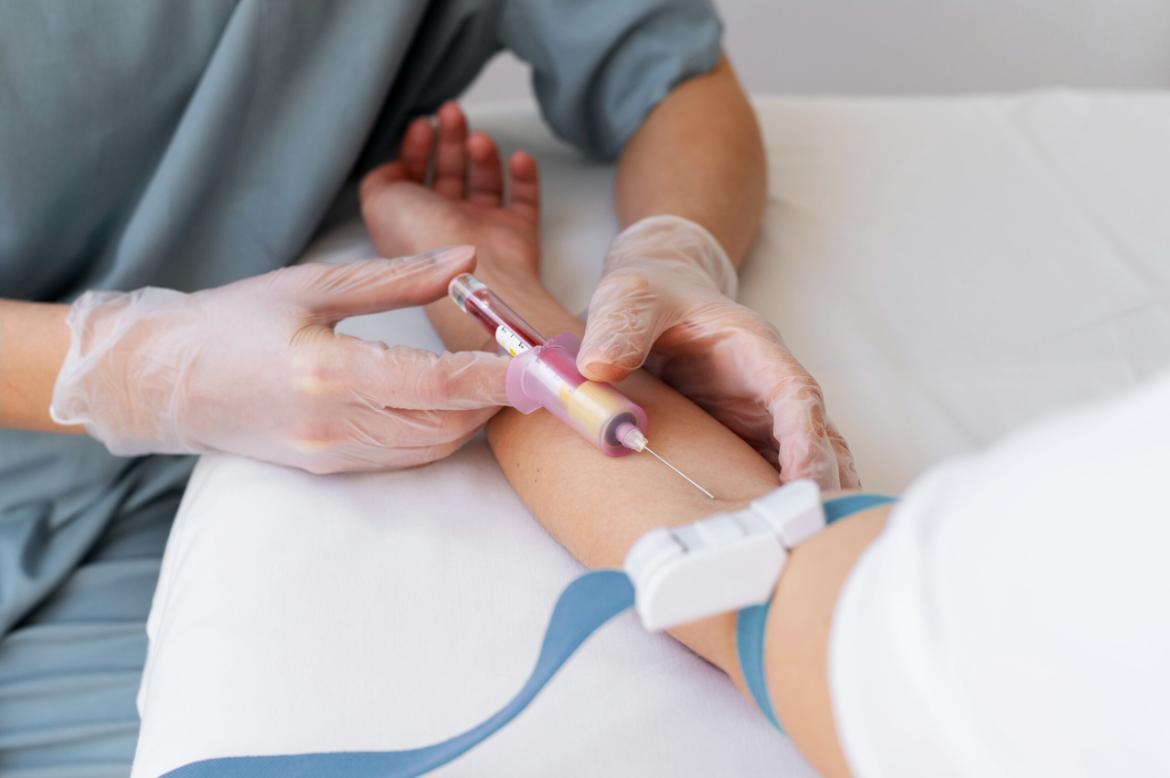
An HGB test is a blood test to measure levels in the body. This test is used to determine levels and provide information about potential blood disorders or health conditions.
HGB levels are usually expressed in grams per deciliter. These levels can vary depending on age, gender, and other factors. It's important to maintain normal ranges, as low or high levels can indicate various health problems.
Low Hemoglobin Levels and Anemia Symptoms
Low hemoglobin levels and symptoms of anemia refer to a condition in which your body's red blood cells cannot carry enough oxygen. Anemia typically occurs when your body lacks healthy red blood cells. This condition typically manifests itself through symptoms such as fatigue, paleness, and shortness of breath.
What Causes Low Hemoglobin Levels?
Low hemoglobin levels can be caused by many different factors, including iron deficiency, vitamin deficiencies, blood loss, chronic diseases, and genetic factors.
Symptoms of Iron Deficiency Anemia
Iron deficiency anemia is the most common type of anemia worldwide. In this condition, the body cannot produce red blood cells when it doesn't get enough iron. Symptoms of iron deficiency anemia include:
- Fatigue and weakness
- Pale skin
- Shortness of breath
- Dizziness and headache
- Cold hands and feet
Symptoms of Vitamin Deficiency Anemia
Certain vitamin deficiencies can also cause anemia. For example, a vitamin B12 deficiency or folic acid deficiency can prevent the normal production of red blood cells. Symptoms of vitamin deficiency anemia may include:
- Weakness and fatigue
- Headache
- dizziness
- Pale skin and mucous membranes
- Swelling or irregularities in the tongue
The Effect of Chronic Diseases on Anemia
Chronic diseases can also increase your risk of anemia. Conditions such as chronic kidney disease, cancer, and inflammatory bowel disease can particularly lead to anemia. These diseases can affect your body's ability to process iron and produce red blood cells.
High Hemoglobin Levels: The Body's Response
It may develop in response to the body's need for oxygen or may be the result of an underlying medical condition. Causes may include living at high altitudes, smoking, certain tumors, and conditions such as polycythemia rubra vera.
High hemoglobin levels are associated with an overproduction of red blood cells in the body. In this case, the body can produce more red blood cells to carry more oxygen, thus increasing their levels. However, high levels can also indicate certain health problems, so it's important to see a doctor.
Hemoglobin Test: When Should It Be Done?
General health checks may be performed to evaluate specific symptoms, diagnose and monitor anemia, and monitor chronic diseases. Your doctor will determine when a hemoglobin test is necessary based on your individual health, symptoms, and general health screenings.
The Relationship Between Hemoglobin and Health
Hemoglobin levels are considered an indicator of our overall health. Maintaining correct hemoglobin levels ensures the body receives the right amount of oxygen and functions healthily. Therefore, it is important to regularly monitor hemoglobin levels and seek treatment when necessary.
Many factors influence levels. Factors such as dietary habits, iron and other essential mineral intake, genetic factors, health status, and lifestyle can influence levels. A balanced diet, healthy lifestyle choices, and regular health checkups are important for maintaining proper hemoglobin levels.
Conclusion
It plays a critical role in our bodies and is considered an indicator of our health status. Regularly checking hemoglobin levels can help identify potential health problems early and initiate appropriate treatment. Therefore, the importance of testing should not be overlooked. For a healthy lifestyle, it's important to pay attention to hemoglobin levels and consult a doctor when necessary.
