



What is Good for Stomach Pain?
Stomach Pain
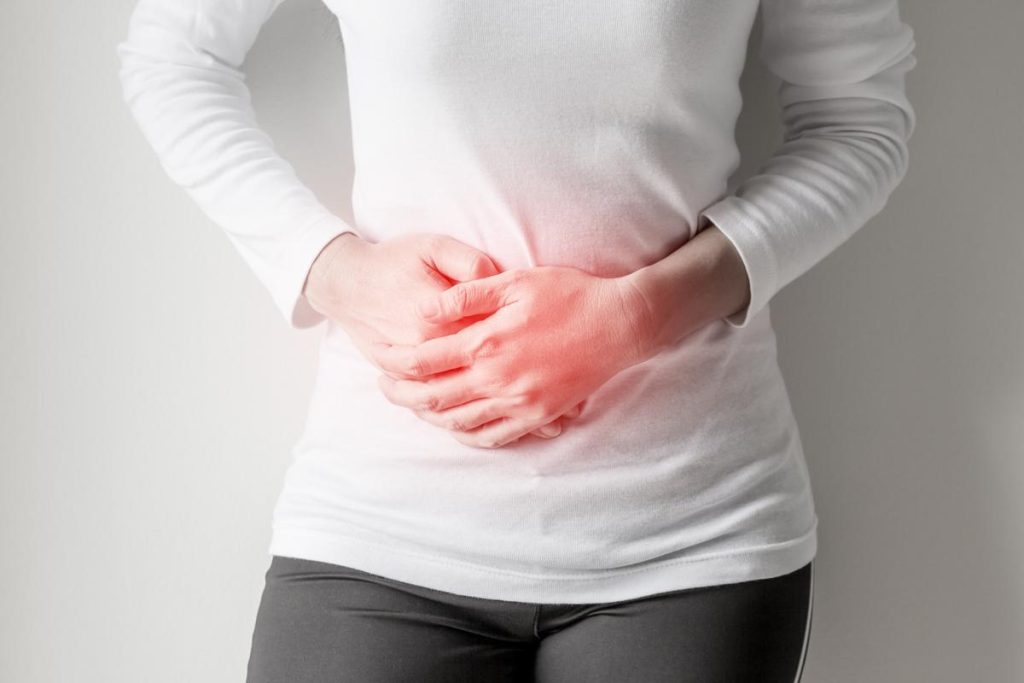
Stomach pain is discomfort or pain felt in the stomach or surrounding organs in the abdominal area. Stomach pain can occur for many different reasons and can sometimes be a symptom of a serious health problem.
What are the Causes of Stomach Pain?
- Gastritis: A condition caused by inflammation or irritation of the stomach lining. Factors such as excessive acid production, alcohol consumption, stress, and Helicobacter pylori infection can lead to gastritis.
- Ulcers: Sores in the stomach or duodenum can cause ulcers. Factors such as excessive acid production, Helicobacter pylori infection, smoking, and certain medications can contribute to ulcer formation.
- Acid reflux disease : Acid reflux, which occurs when stomach contents flow back into the esophagus, can cause pain. It can be accompanied by symptoms such as a burning sensation in the esophagus (chest pain), heartburn, and cough.
- Gallbladder problems: Conditions such as gallstones or inflammation can cause stomach pain. The pain is usually felt in the upper right abdomen and may be worsened by eating fatty foods.
- Gastroenteritis: Viral or bacterial infections can cause inflammation of the stomach and intestines. This condition is often accompanied by symptoms such as diarrhea, vomiting, and fever.
- Food poisoning : Infections resulting from consuming spoiled or contaminated food can cause stomach pain.
- Stomach cancer: Although rare, stomach cancer can also cause pain. Stomach cancer is usually asymptomatic in its early stages, but as it progresses, symptoms such as pain, weight loss, and loss of appetite can appear.
Other causes may include upper gastrointestinal infections, bile duct stones, pancreatitis (inflammation of the pancreas), constipation, urinary tract infections, kidney stones, and stress. Stomach pain is a condition that requires diagnosis and treatment. If you experience persistent or severe stomach pain, are accompanied by other symptoms, or have any concerns, it's important to consult a healthcare professional.
What are the symptoms of stomach pain?
Stomach pain can manifest differently in different people and can be accompanied by a variety of symptoms. Common symptoms include:
- Abdominal pain: Pain typically manifests as an ache or discomfort felt in the abdomen, stomach, or surrounding organs. Pain can range in intensity from mild to severe.
- Burning sensation: Pain is often accompanied by a burning or sour sensation. This burning sensation is usually felt in the chest area and is associated with stomach acid refluxing into the esophagus.
- Indigestion: Pain may occur along with digestive problems such as indigestion, bloating, burping, nausea or vomiting.
- Appetite changes: Stomach pain can cause appetite changes. Some people may report a loss of appetite, while others may report a desire to overeat or a constant feeling of hunger.
- Constipation or diarrhea: Pain can sometimes cause changes in bowel movements. Constipation or diarrhea can occur with or without stomach pain.
- Gas and bloating: Stomach pain can be associated with gas buildup and a feeling of bloating. This is often associated with digestive disorders.
- Weakness and fatigue: People with chronic stomach pain may experience weakness, fatigue, and a general feeling of lack of energy.
- Other symptoms: Pain may sometimes be associated with additional symptoms such as headache, fever, body aches, and changes in urine color.
The symptoms mentioned above are common symptoms of stomach pain. However, symptoms can vary from person to person and may vary depending on the underlying cause.
What is Good for Stomach Pain?
Treatment for stomach pain can vary depending on the underlying cause. However, in general, the following methods can help relieve the pain:
- Rest : It's important to rest when you experience stomach pain. Lying or sitting in a comfortable position can help you relax without putting pressure on your abdomen.
- A hot water bottle or warm compress: Applying gentle heat to your abdomen can relax muscles and relieve pain. You can use a hot water bottle or warm compress.
- Medications: In some cases, taking over-the-counter (nonprescription) stomach acid regulators, antacids, or pain relievers (such as paracetamol) as recommended by your doctor may relieve stomach pain. However, it's important to consult your doctor before using any medication.
- Drink fluids : Pain may be due to thirst or dehydration. Drinking plenty of water or light beverages (e.g., herbal tea, fresh ginger tea, mint tea) can soothe the stomach.
- Dietary adjustments: Some foods can cause discomfort for those experiencing pain. You can make dietary adjustments, such as eating smaller, more frequent meals, avoiding fatty and spicy foods, and limiting or eliminating caffeinated beverages. However, because trigger foods may vary for each individual, it's important to make appropriate dietary changes based on your personal experience.
- Stress management : Stress can trigger or worsen stomach pain. Stress management techniques, such as deep breathing, meditation, yoga, or relaxation exercises, can lower your stress levels and reduce pain.
What Foods and Drinks Are Good for Stomach Pain?
Certain foods and drinks can provide relief for people with stomach pain. However, certain foods may vary depending on the cause of the pain and your personal tolerance. Some foods and drinks that may help with pain include:
- Ginger: Ginger can help relieve stomach upset. You can consume fresh ginger tea or sliced or grated ginger added to water.
- Banana: Bananas are known for their stomach-soothing effect. Their fiber content can aid digestion and relieve stomach pain.
- Oatmeal: Oatmeal is a light and easy-to-digest food. It can soothe the stomach and provide relief. You can enjoy it with slices of fruit.
- Yogurt: Yogurt can regulate digestion and balance stomach acid. Its probiotic content can support stomach health. However, when choosing yogurt, it's important to choose natural yogurt without added sugar or sweeteners.
- Chamomile tea : Chamomile tea is known for its anti-inflammatory properties and can soothe the stomach. It can aid digestion and relieve pain.
- Rice: For those experiencing stomach pain, rice can aid digestion and be a light food option. Choose white or pilaf rice.
- Water: Pain can be due to thirst or dehydration. Drinking plenty of water keeps the body hydrated and supports digestion.
Remember, stomach pain can vary depending on the cause, and tolerance varies from person to person. Therefore, it's important to determine which foods and drinks are best for you based on your personal experience and following your doctor's recommendations. If you experience persistent or severe stomach pain or have any concerns, it's important to consult a healthcare professional.
What are the symptoms that occur with stomach pain?
- Nausea
- Vomiting
- Indigestion
- Diarrhea or constipation
- Gas and bloating
- Burning sensation
- Bitter or metallic taste in the mouth
- Appetite changes
- Weakness and fatigue
- Other symptoms (headache, fever, body aches, changes in urine color)
