


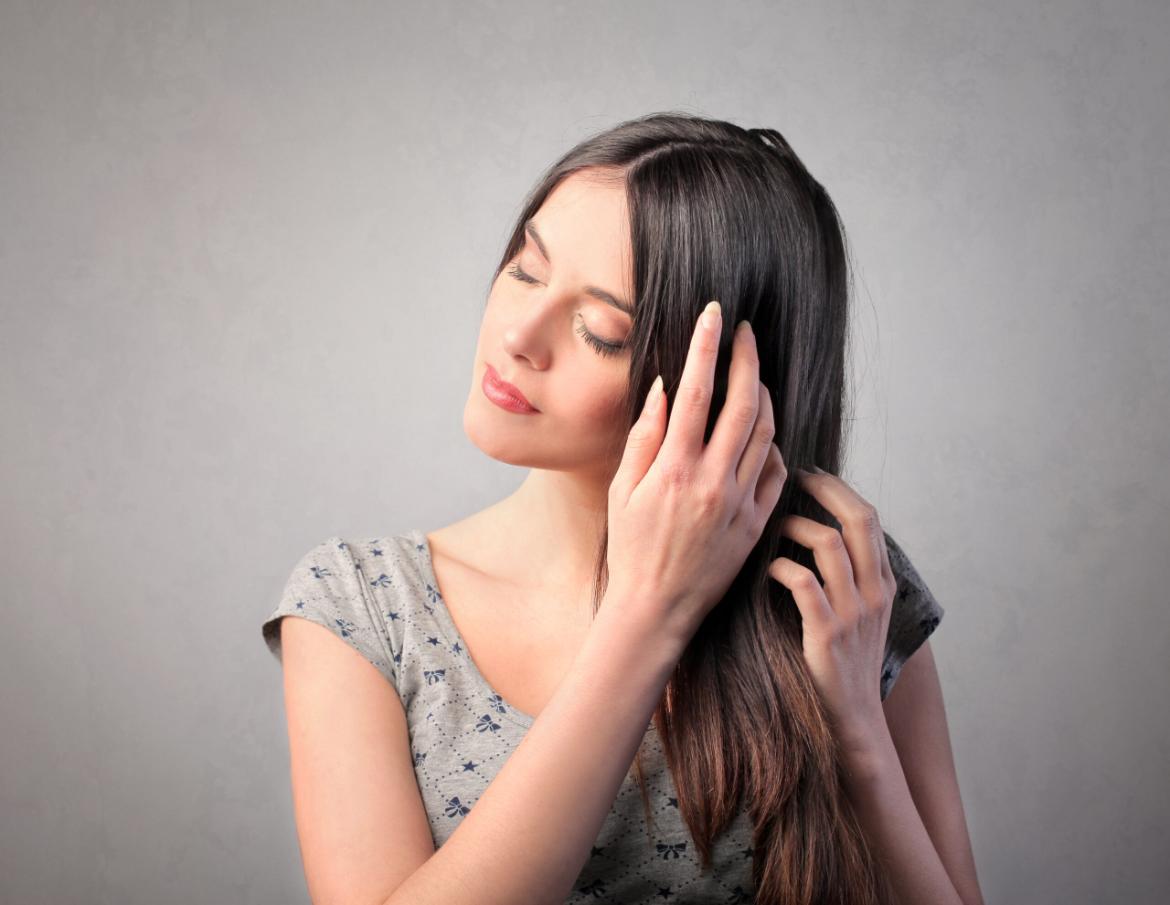
What is Good for Oily Hair?
Oily hair is a condition that occurs when hair produces more oil than normal. Sebaceous glands in the scalp produce a natural oil called sebum. This oil moisturizes and protects the hair. However, in some individuals, this oil production becomes excessive, causing the hair to appear oily.
Excessive oil production in the hair or scalp can be caused by many factors. Genetic predisposition, hormonal changes, using the wrong hair care products, stress, and environmental factors all play a role in oily hair.
What Causes Oily Hair?
Oily hair is caused by excessive sebum production. The scalp produces a natural oil that supports hair growth and protection. However, in some cases, this oil production can be excessive. Factors that contribute to oily hair include:
- Genetic Factors : If a family member has oily hair, this condition can be passed down genetically. In other words, genetic predisposition is a significant factor in oily hair.
- Hormonal Changes : Excess sebum production on the scalp can occur, especially during periods of hormonal fluctuations like puberty, menstruation, pregnancy, or menopause. Additionally, excessive stress can increase cortisol levels in the body, leading to oilier hair.
- Using the Wrong Hair Care Products : Using care products that aren't suitable for your hair type can cause excessive oiliness. In particular, overusing products like shampoo and conditioner, which can disrupt the hair's natural oil balance, can cause the scalp to overproduce oil and lead to hair loss.
- Environmental Factors : Humidity, extreme heat, or cold can also cause hair to become overly oily. Additionally, external factors like polluted air, pollen, and dust can cause the scalp to overreact and produce more oil.
- Frequent or inadequate hair washing : Overwashing your hair can reduce the scalp's natural oils, causing it to produce more sebum. Conversely, not cleansing your hair sufficiently can lead to buildup and oiliness.
The most obvious sign of oily hair is that it becomes oilier than usual at the end of the day or within a few hours. A heavy, sticky appearance is also a sign of oiliness. Oily hair can also have a dull, dry appearance.
Solutions to Oily Hair
There are various methods that can be used to combat oily hair. These methods should aim to balance oil production without disrupting the hair's natural balance.
Choosing the right shampoo is the first step to addressing oiliness. Using shampoos specifically formulated for oily hair can help remove excess oil. These shampoos help balance sebum production and prevent dryness.
Natural hair masks and care oils, applied weekly or as needed, can help remove excess oil while maintaining hair's natural balance. However, care should be taken to choose masks appropriate for your hair type.
Washing your hair too frequently can dry out your scalp, which in turn can cause it to produce more oil. Washing your hair 2-3 times a week is recommended to prevent oiliness. Dry shampoo can also be a temporary solution for oily hair. Additionally, using natural oils in your hair care routine can help prevent oiliness. For example, natural products like tea tree oil, lavender oil, and peppermint oil help balance your scalp.
Avoiding tight buns or ponytails, which restrict airflow, is also effective in preventing oily hair. Allowing hair to move freely can help balance oil production by increasing air circulation.
What is Good for Oily Hair?
It is very useful to make some changes in daily habits to prevent the problem of oily hair:
- Cleanse Your Hair Thoroughly : Regularly cleansing your hair with a suitable shampoo helps remove oil and dirt buildup from your scalp. However, avoid washing it too frequently.
- Supplement Your Hair with Healthy Nutrients : Eating a diet rich in vitamins and minerals that support hair health (especially vitamins A, B, E and D) can help promote healthier hair.
- Avoid Stress : Stress can cause hormonal changes, which can increase oily hair . Engaging in relaxing activities like yoga and meditation can reduce the negative effects of stress on hair.
Oily hair can be problematic, both aesthetically and hygienically. However, it's possible to manage this problem with proper hair care and habits. Using products appropriate for your hair type, regular care, and making healthy lifestyle changes will help your hair become healthier and more balanced. If oily hair persists, contacting the expert dermatologists at Özel Magnet Hospital to seek professional help is the most important step you can take for your hair.
