


What is Dandruff? What Causes It and How Can It Be Prevented?
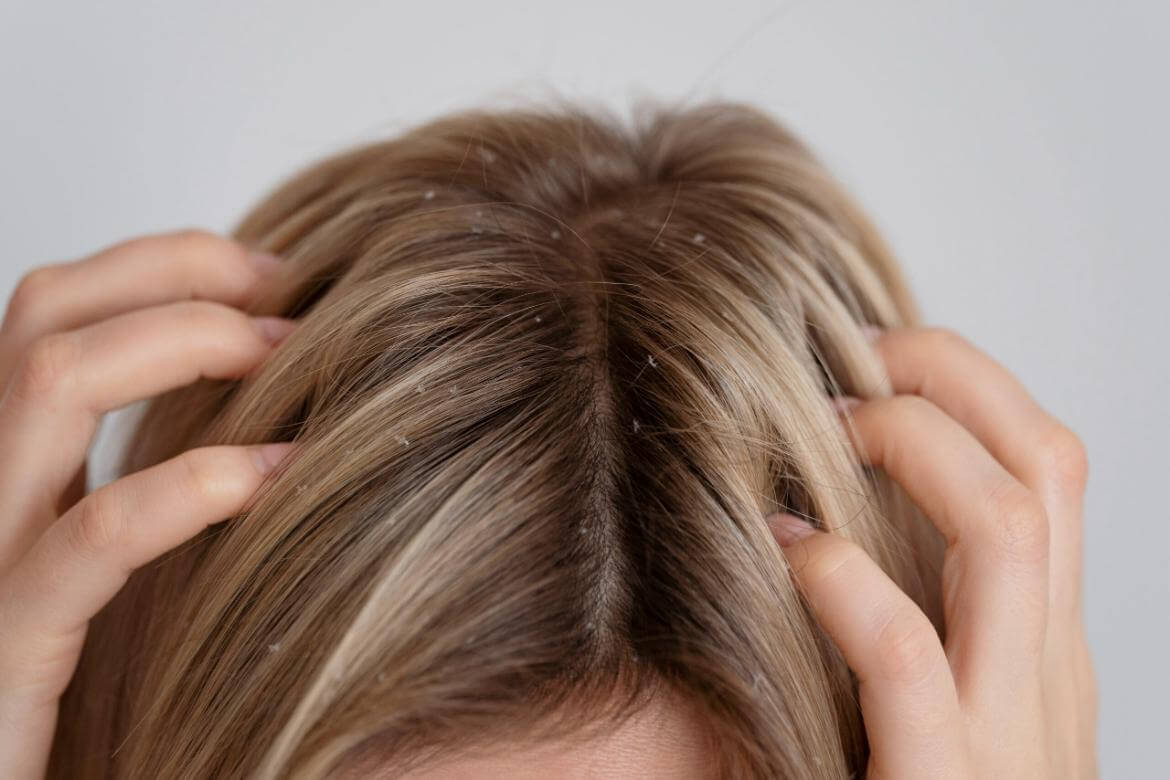
What is dandruff? It refers to the shedding of the upper layer of the scalp in the form of dead skin cells or small, white flakes that form on the surface of the skin. This condition can often cause itching, redness, and a white, flaky appearance on the hair strands.
Dandruff can occur due to factors such as seborrheic dermatitis, a skin condition, excessive oil production on the scalp, or fungal infections. Factors such as excessively oily or dry scalp, stress, genetic factors, hair care products used, and poor diet can also contribute to dandruff formation.
Treatment is usually done with shampoos, lotions, or scalp treatment products. Good hair and scalp hygiene, choosing the right shampoo, and proper care practices can reduce dandruff. If dandruff persists or worsens, it may be beneficial to consult a dermatologist.
What are the factors that cause dandruff?
Factors that can cause dandruff can be listed as follows:
- Brushing your hair infrequently: Regular brushing is important to prevent the buildup of dead skin cells on your scalp. Keeping your scalp and hair strands clean can help reduce dandruff.
- Stress: Stress can trigger dandruff. Stress hormones in the body can affect the scalp's oil balance, leading to dandruff.
- Age: Dandruff typically becomes more common during adolescence or middle age. Hormonal changes and the aging process can contribute to dandruff.
- Hormonal factors (in men): The hormonal changes that cause hair loss in men can also affect the formation of dandruff.
- Temperature changes: During the winter months, high indoor temperatures and low outdoor temperatures can dry out your scalp. This can increase the risk of dandruff.
- Fungal infections: Fungal infections of the scalp can also cause dandruff. This condition is often accompanied by itching and redness.
- Wrong hair care products: Using shampoos or hair products that contain harsh chemicals can irritate the scalp and increase the occurrence of dandruff.
Regular hair care, using the right shampoo, and avoiding stress are important for maintaining hair and scalp health. If dandruff persists or worsens, it may be beneficial to consult a dermatologist.
How to Treat Dandruff?
Dandruff can be controlled with proper treatment and care. Here are some methods that can be used to treat dandruff:
- Dandruff shampoos: Using shampoos specifically formulated for dandruff can be effective. Their active ingredients can help control dandruff by reducing scalp flaking.
- Proper hair care: It's important to use shampoos and conditioners that are appropriate for your hair type. Choosing the right products to keep your scalp moisturized and prevent drying can help reduce dandruff.
- Regular hair washing: Regular hair washing is important to keep your scalp clean and healthy. However, frequent washing can also dry out your scalp, so you should wash your hair at the appropriate frequency for your hair type.
- Natural oils: Natural oils like coconut oil, olive oil, or almond oil can moisturize the scalp and reduce dandruff. However, be careful when applying oils directly to the scalp.
- Nutrition: Hair and scalp health is also linked to dietary habits. Ensuring adequate vitamin and mineral intake can impact dandruff formation.
- Consult a dermatologist: If mild dandruff treatments don't work or if your condition worsens, it's important to seek help from a dermatologist. Your doctor may recommend stronger dandruff shampoos or other treatment options.
Because each individual's hair and scalp are unique, finding the most effective treatment method can take time. If your dandruff problem persists or worsens, it's important to consult a professional.
Methods to Get Rid of Dandruff in Hair
To alleviate and eliminate the dandruff problem in your hair, you can use the following methods:
- Using the right shampoo: Regularly using anti-dandruff shampoos is important to maintain scalp oil balance and reduce dandruff formation. Specialized dandruff shampoos are also recommended.
- Meticulous hygiene : Regular hair washing is important to keep your scalp clean. However, excessive washing should be avoided and shampoos appropriate for your hair type should be used.
- Avoiding the habit of scratching: Scratching can irritate the scalp and increase the risk of dandruff. Avoiding the habit of scratching can help prevent this vicious cycle.
- Avoid stress: Stress can trigger dandruff. It's important to engage in relaxing activities, yoga, and meditation to avoid stress.
- Scalp ventilation: Constantly tying your hair and leaving your scalp devoid of air can increase the risk of dandruff. Regularly airing your scalp can alleviate dandruff by reducing oil buildup.
- Scalp massage: Gently massaging your scalp can increase blood circulation and reduce dandruff. However, it's important to be mindful of the massage.
- Balanced diet: Hair health is a reflection of overall health. Ensuring adequate vitamin and mineral intake can help prevent dandruff.
If dandruff problem does not improve with home methods or if it gets worse, it is important to seek help from a dermatologist.
When Should You See a Doctor for Dandruff?
Dandruff can usually be resolved with home remedies. However, it may be important to consult a doctor in the following cases:
- If dandruff shampoos do not work: If the problem does not improve with anti-dandruff shampoos and home remedies, it is important to seek help from a doctor.
- If there is severe itching and redness: If there are symptoms such as severe itching, redness and swelling on the scalp, it is important to consult a dermatologist.
- If dandruff is accompanied by other skin problems, then a dermatologist evaluation may be necessary.
- If you have a weak immune system: If you have a weakened immune system or other health problems, it is important to consult a specialist for dandruff-related problems.
- If you have hair loss: If dandruff is accompanied by hair loss, a dermatologist can evaluate your hair and scalp health.
A dermatologist can identify the underlying cause of dandruff and recommend appropriate treatment. They can also evaluate other potential underlying skin problems and make a proper diagnosis.
Suggestions Against Dandruff Problems in Women
To alleviate and prevent dandruff problems in women, the following suggestions can be taken into consideration:
- Choosing the right shampoo: It's important to choose anti-dandruff shampoos that are suitable for your hair type. You can use shampoos with special formulations to alleviate dandruff problems.
- Wash your hair regularly and correctly: Washing your hair regularly can help remove oil and dandruff buildup from your scalp. However, it's important to wash your hair at appropriate intervals and with the right shampoo instead of washing it frequently.
- Gentle drying: Gently drying your hair after washing can prevent scalp irritation. Avoid using excessively hot water.
- Be mindful of hair product use: Excessive use of hairspray and gel can irritate your scalp and hair strands. It's important to use these products sparingly.
- Letting your hair down: Wearing your hair up constantly can lead to dandruff by restricting the scalp's ventilation. It's important to let your hair down occasionally.
- Scalp massage: Gently massaging the scalp can reduce dandruff by increasing blood circulation.
- Pay attention to hair health: Protecting your hair health in general, eating a balanced diet, drinking enough water and staying away from stress can alleviate the dandruff problem.
If the dandruff problem persists or worsens despite these measures, it is important to seek help from a dermatologist.
Recommendations for Dry Scalp (Dandruff) in Babies
To deal with dry scalp or mild dandruff problems in babies, you can pay attention to these suggestions:
- Gentle cleansing: Gently cleanse your baby's hair regularly, but not too often. Choose hypoallergenic shampoos specifically formulated for babies.
- Use moderate water: Be mindful of the temperature of the water you use when washing your baby's hair. Using lukewarm water can help prevent drying out the scalp.
- Applying baby oil or olive oil: Before washing your hair, you can gently apply natural oils like baby oil or light olive oil. This can soften flakes on your scalp, helping them to be removed.
- Using over-the-counter medicated shampoos: You can try mild, over-the-counter shampoos formulated specifically for babies. However, it's important to consult a doctor before using such products.
- Dermatologist review: If your baby's dry scalp problem persists or worsens, you can consult a dermatologist for a professional review.
- Natural fabric clothes: Choosing natural fabrics for your baby's head coverings can reduce the problem of dry scalp by providing air circulation.
Remember, every baby is different, and one solution may not work for another. If your baby's dry scalp persists, it's best to consult a healthcare professional.
Suggestions Against Beard Dandruff Problems
To alleviate and prevent dandruff problems in the beard, you can pay attention to these suggestions:
- Using the right shampoo: Choose shampoos specifically designed for dandruff. When choosing a shampoo, pay attention to its ingredients and make sure to use products that are suitable for your dandruff problem.
- Be mindful of the temperature: Avoid using extremely hot water when washing your beard. Hot water can dry out the skin and increase dandruff. Using lukewarm water provides a gentler clean.
- Regular cleaning: Clean your beard regularly. But avoid washing it too often, as over-washing can dry out the skin.
- Exfoliate: Exfoliate regularly with a soft-bristled beard brush or special beard exfoliating products. This can help remove dead skin cells and reduce dandruff.
- Moisturizing: Use moisturizing products to maintain the moisture balance in your beard. Beard oils or special beard lotions can help.
- Balanced diet: To support the health of your hair and skin, make sure to eat a balanced diet. A diet rich in vitamins and minerals can help alleviate dandruff.
- Avoid stress: Stress can trigger dandruff. Avoiding stress can positively impact your beard health.
- Dermatologist checkup: If the problem persists or worsens, it's best to seek help from a dermatologist. A professional examination can determine the cause of your dandruff and recommend appropriate treatment.
Suggestions for Facial Dandruff Problems
To alleviate and prevent dandruff on your face, you can pay attention to the following home remedies:
- Apple cider vinegar: You can dilute apple cider vinegar with water and apply it to your face. However, you should use the diluted form, as it can irritate your skin. It's important to test it on your elbow beforehand to check for any reaction.
- Tea tree oil: Tea tree oil has antifungal properties and can help fight skin germs. You can apply it diluted with a carrier oil to your face.
- Coconut oil: For dry skin, you can use coconut oil, which has moisturizing properties. It's important to do a patch test to see if there's any reaction before applying it directly to your face.
- Doctor's advice: If home remedies don't work or if the condition worsens, it's important to consult a dermatologist. A professional evaluation can help develop an appropriate treatment plan.
- Hydrocortisone cream: Available from pharmacies, this cream helps relieve inflammation and itching. However, long-term use should be under medical supervision.
It is important to consult your doctor regarding any skin problem to receive a correct diagnosis and create an effective treatment plan.
