


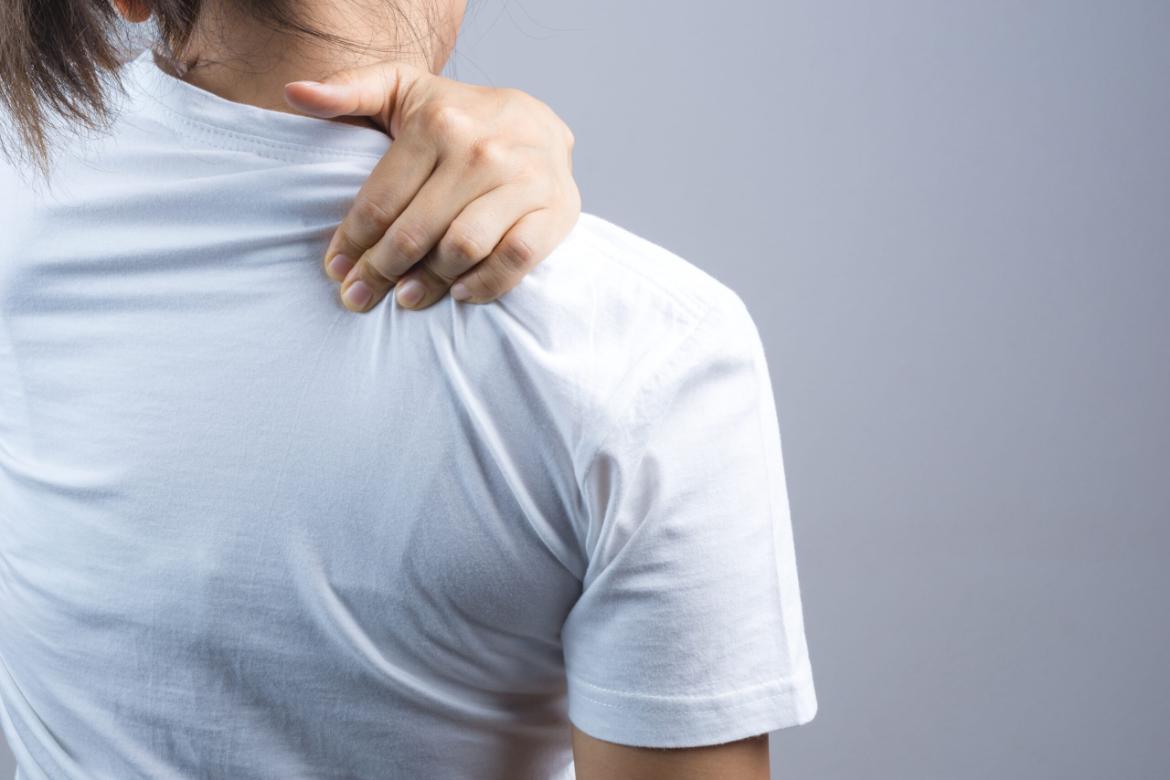
What is Cramp Pain? Effective Solutions for Cramp Pain
Cramp Pain
Cramp pain is a type of pain typically felt in the neck, shoulder, or back area, resulting from muscle tension or spasm. This condition is often triggered by factors such as prolonged sitting, poor posture, stress, or excessive physical activity. Cramp pain is characterized by muscle stiffness and knotting, which can lead to limited mobility, discomfort, and, over time, side effects such as headaches. When experiencing this pain, a person often reports that the muscles in that area are stiff and difficult to move. Furthermore, stress and tension can increase the severity of cramp pain. Therefore, preventative measures such as relaxation techniques, regular exercise, and proper posture can help alleviate cramp pain. If the pain persists or reaches a level that interferes with daily life, it's important to consult a healthcare professional. Cramp pain can usually be treated with simple measures, but it should be carefully monitored because it may be due to a more serious underlying health issue. While the exact cause of cramp pain is unknown, diagnosing it can be quite challenging. Various treatment methods are available depending on different conditions and individual patient characteristics. Stomach pain tends to occur 9 times more frequently in women than in men.
What Causes Stomach Pain?
Knee pain is a muscle pain typically felt in the shoulder, back, and scapula areas and is often associated with an active trigger point within a muscle. This pain can be triggered by pressure applied to the trigger point area or by movement along the same muscle. A secondary trigger point can be a knot in a muscle outside the muscle where the active trigger point is located, and these points can be irritated simultaneously.
Many factors can contribute to the development of pelvic pain. These may include:
- Poor posture
- Staying still and motionless for long periods of time
- Over-fatigue and tension of muscles
- Stress
- Staying in the wind
- cold
- Spinal disorders
- Hormonal changes
- Obesity
- Excessive smoking
- Wrong sitting posture
- Vitamin and mineral deficiencies
- Lack of muscle activity (for example, a leg in a cast)
- Metabolic or hormonal problems such as thyroid disease or diabetes
- Vitamin deficiencies such as vitamin D and folate
- Chronic infections
- Depression and anxiety
The interaction of one or more of these factors can cause hip pain. Treatment generally depends on the cause of the pain and may include a variety of methods, including physical therapy, medications, exercise, and massage.
What are the symptoms of stomach pain?
Symptoms of neck pain often include a variety of symptoms that reflect the discomfort experienced by patients. These symptoms include:
- Painful and small swellings, nodules, or knots in the muscles : Painful swellings or knots may be felt in the areas where trigger points are located.
- Back and neck pain: Pain that feels like a burning or stinging sensation may be concentrated especially in the back and neck areas.
- Muscle pain that occurs when pressure is applied to trigger points: When pressure is applied to painful points, muscle pain is felt in these areas.
- Decreased frequency of movement: Restriction of frequency of movement due to pain in the affected area.
- Perceived weakness in the affected muscle: A feeling of weakness in the muscles affected by the stiff neck pain.
- Pain that worsens when lifting heavy loads: Activities that require exertion, especially lifting heavy loads, can aggravate the pain.
- Increased pain in cold weather: Cuff pain becomes more pronounced in cold weather conditions.
- Sounds coming from inside the muscle when moving: Cracking or sounds coming from inside the muscle during movement.
- Sensitivity: Sensitivity to touch in the neck, shoulders, and back area.
- Feeling tired during the day: Decreased energy levels during the day due to constant pain.
- Migraine headaches: Severe headaches, especially migraine-like ones.
- Concentration problem: Difficulty in mental focus.
- Digestive system complaints: Digestive system problems such as abdominal pain, bloating, constipation, diarrhea.
- Menstrual complaints: Painful periods and premenstrual tension.
- Sleep problems: Disturbances in sleep patterns and inability to rest at night.
- Muscle spasms: Sudden muscle contractions or spasms.
These symptoms can often occur together and should be evaluated by a doctor to identify the discomfort the patient is experiencing.
How to Get Rid of Stomach Pain Fast?
There are a number of different methods for treating pelvic pain. Treatment is generally determined by individual needs and the severity of the pain. Some effective treatments that can help relieve pelvic pain include:
- Exercise: Regular and appropriate exercise can help strengthen muscles. Specific exercise programs recommended by physical therapists are designed to relieve pain and increase mobility.
- Improving nutrition: A healthy diet can reduce inflammation in the body and support muscle health. Omega-3 fatty acids, antioxidants, and adequate protein intake are important.
- Changing sleep habits: Adequate, high-quality sleep can help muscles recover. Choosing the right mattress and pillow, as well as adjusting sleeping positions, is important.
- Correction of postural disorders: Postural correction exercises and posture awareness development techniques directed by physiotherapists can reduce pain.
- Physical therapy (Hands-On): Specialized treatments administered by physical therapists can increase muscle flexibility, improve range of motion and relieve pain.
- Massage therapy: Massages administered by professional massage therapists can reduce muscle tension and relieve pain.
- Ultrasonic shock wave therapy: Ultrasonic shock waves can reduce muscle tension and promote healing.
- Spray and stretching technique: Muscle tension can be reduced by applying spray or stretching techniques to painful areas.
- Trigger point injections: Performed by doctors, these injections can reduce pain by applying medication directly to trigger points.
- Eliminate stress: Stress management techniques can reduce muscle tension and control pain.
- Cold and heat applications: Cold applications can reduce inflammation, while heat applications can relieve muscle tension. Both methods can help relieve pain.
A combination of these treatments may be effective, depending on the individual's specific situation and the assessment performed to understand the cause of the pain. However, every situation is different, and it's important to consult a professional.
What Causes Stomach Pain in Children?
Cramping pain in children is often associated with various physical and lifestyle factors. These factors may include children's rapidly developing physical structure and active lifestyle. Some conditions that can cause cramping pain in children include:
- Carrying heavy bags: The weight of school bags can put a lot of strain on children's waist and back. Carrying heavy bags for long periods of time can affect the back muscles and spine.
- Postural disorders: Lack of correct posture habits or incorrect postures can cause pain in the waist and back areas.
- Wrong sitting position in the classroom: If school desks are not ergonomic or children sit incorrectly, this can contribute to waist and back pain.
- Long-distance running and jumping activities: Some sports activities, especially long-distance running and frequent jumping, can strain the waist and back muscles.
- Sedentary lifestyle: Children not moving enough during the day or lack of physical activity can lead to muscle weakness and waist/back pain.
These factors are likely contributing to neck pain in children, but every situation is different. If your child experiences persistent or severe pain, it's important to consult a healthcare professional. This is essential to identify potential underlying issues and evaluate appropriate treatment options.
What Causes Stomach Pain During Pregnancy?
A number of physiological changes occur in the body during pregnancy, and these changes can increase the load on the spinal system, causing pelvic pain. Some factors that can cause pelvic pain during pregnancy include:
- Weight gain: Increased body weight during pregnancy increases the load on the spine. This can strain the muscles and ligaments in the waist and back, causing back pain.
- Postural changes: A growing belly can cause body weight to shift forward. This can affect the discs and spinal structures between the lumbar vertebrae, leading to changes in posture .
- Hormonal changes: Hormones released during pregnancy affect connective tissues and joint structures. These changes can cause tension in muscles and connective tissues.
- Spinal curvature: During pregnancy, abdominal growth can increase a woman's curvature of the spine. This can lead to spinal curvature and trigger back pain.
- Extra stress: Pregnancy can put more stress on the body overall, which can lead to pain in the lower back.
- Bad posture habits: Bad posture habits while moving or sitting can increase pain in the waist and back area.
Neck pain during pregnancy is generally normal and can occur in many women. However, if the pain becomes severe or persistent, it's important to consult a healthcare professional. Your healthcare professional can recommend treatment and relief methods tailored to your specific situation. Physical therapy, appropriate exercises, and postural recommendations specific to pregnancy may be helpful.
What Causes Stomach Pain in Older Women?
In older women, pelvic pain can occur due to a combination of factors. The aging process, hormonal changes, poor posture, and various health problems can contribute to this pain. Some factors that can cause pelvic pain in older women include:
- Insufficient physical activity: Physical activity often declines with age. Inadequate exercise can reduce muscle strength and cause pain in the waist, back, and neck areas.
- Hormonal changes: Menopause causes hormonal changes. These changes in hormone levels can reduce bone density and trigger conditions affecting the musculoskeletal system, such as osteoarthritis.
- Postural disorders: Aging can cause changes in posture. Poor posture can cause pain in the waist, back, and neck areas.
- Osteoarthritis: With age, you may develop osteoarthritis, the wear and tear of joint cartilage. This can cause joint pain and stiffness.
- Osteoporosis: Bone density can decrease with age, increasing the risk of bone fractures. Osteoporosis can cause back pain.
- Diseases and complications: Diseases frequently seen in older women, especially rheumatoid arthritis, fibromyalgia and spinal stenosis, can cause waist and back pain.
- The impact of chronic diseases: Chronic diseases that occur with old age can affect general health and cause pain.
- Genetic factors: Family history may contribute to low back pain due to genetic predisposition.
A combination of these factors can cause hip pain in older women. Treatment often depends on the individual's specific situation and may include a variety of methods, including exercise, physical therapy, medications, or surgery. A healthcare professional can determine the appropriate treatment plan based on an individual's assessment.
What is Good for Stomach Pain?
There are various methods and treatment options available to provide relief and alleviate symptoms of clubfoot pain. However, because everyone's situation is different, it's important to consult with a healthcare professional to develop an effective treatment plan. Some general methods that can help with clubfoot pain include:
- Rest: It's important to rest the painful area. Avoiding excessive activity or strenuous movements can reduce the severity of the pain.
- Heat and cold applications : Applying heat or cold to the painful area can reduce muscle tension and provide relief. A hot towel, hot water bottle, or cold pack may be used.
- Exercise: Appropriate, doctor-approved exercise programs can increase muscle strength and flexibility. Exercises recommended by physical therapists may help with hip pain.
- Massage therapy: Massages administered by professional massage therapists can relieve muscle tension and reduce pain.
- Physical therapy: Physical therapy sessions may include posture corrections, specific exercises, and manual therapy.
- Painkillers and anti-inflammatory medications: Painkillers and anti-inflammatory medications, used under a doctor's supervision, can reduce pain and inflammation.
- Stress management: Stress can increase muscle tension. Stress management techniques such as yoga, meditation, or deep breathing can relieve pain.
- Ergonomic adjustments: Ergonomic adjustments in seating and work areas can correct posture problems and reduce pain.
- Trigger point injections: Administered by doctors, these injections can provide relief by applying medication directly to painful points.
- Acupuncture: Acupuncture, which is thought to help with neck pain in some people, can be applied by a qualified acupuncturist.
Treatment options may vary depending on the individual's situation, so it's important to consult a healthcare professional. It's also important to see a doctor for any symptoms or complaints to ensure proper diagnosis and treatment.
Which Polyclinic Should You Visit for Stomach Pain?
If you're experiencing back pain and considering visiting an outpatient clinic for treatment, a Physical Therapy and Rehabilitation Clinic is a suitable option. This clinic specializes in treating musculoskeletal disorders, pain, and functional limitations.
