


What is Bone Cancer (Tumor)?
Bone cancer is a tumor that occurs as a result of abnormal cell growth and proliferation in the body's bones . Benign tumors usually form within the bones and tend not to grow. Malignant tumors, on the other hand, can form in or on the bones and can grow rapidly. Bone cancer tumors generally occur in two forms: primary bone cancers and metastatic bone cancers.
Primary bone cancers are cancers that begin in the bones and form in the bone tissue. These cancers include osteosarcoma, chondrosarcoma, and Ewing sarcoma. Osteosarcoma is the most common type of primary bone cancer and usually begins in the leg bones or arm bones. Chondrosarcoma is a bone cancer that forms in the cartilage tissue and usually begins in large bones such as the hip or knee. Ewing sarcoma is a type of cancer that forms in the soft tissue around bones and usually occurs in bones such as the pelvis, ribs, or upper leg bones.
Metastatic bone cancers are cancers that occur when cancer cells that started elsewhere spread to the bones. This type of cancer can occur when other types of cancer, such as breast cancer, lung cancer, prostate cancer, and kidney cancer, metastasize to the bones.
What are the causes of bone cancer?
The exact causes of bone cancer are unknown, but experts believe there are certain risk factors. Causes of bone cancer include:
- Genetic Factors : Genetic factors are thought to play a role in the development of bone cancer. Mutations in certain genes can increase the risk of bone cancer. People with a family history of bone cancer are at higher risk of developing bone cancer.
- Radiation Exposure: Exposure to high doses of radiation can increase the risk of bone cancer. Exposure to radiation, especially during childhood or adolescence, can further increase the risk of bone cancer.
- Cancer Treatment : Some chemotherapy drugs can increase the risk of bone cancer. However, chemotherapy drugs also play a significant role in cancer treatment.
- Bone Metastases in Cancer Patients: Some types of cancer can increase the risk of bone cancer by metastasizing to the bone. Bone metastases can occur in cancers such as breast cancer, lung cancer, prostate cancer, kidney cancer, and thyroid cancer.
- Other Factors: Certain bone diseases, particularly Paget disease and multiple myeloma, may increase the risk of bone cancer. Factors such as aging, smoking, excessive alcohol consumption, and obesity may also increase the risk of bone cancer.
What are the symptoms of bone cancer?
Bone cancer can be difficult to diagnose because its symptoms are similar to those of other diseases. Possible complications of bone cancer include:
- Bone Pain: The most common symptom of bone cancer is bone pain. People with bone cancer often experience a constant, aching sensation. The pain may worsen at night or while resting.
- Bone Fractures: Bone cancer can cause bones to weaken and break. People with bone cancer may experience sudden bone fractures.
- Swelling and Masses: Bone cancer can grow inside bones and form swellings or masses. These swellings are often painful.
- Fatigue: People with bone cancer may experience general symptoms such as fatigue and weakness. These symptoms are related to the anemia associated with bone cancer or the spread of the cancer throughout the body.
- Weight Loss: People with bone cancer may experience weight loss. This is related to the cancer depleting energy levels in the body or to the declining function of the bones.
- Other Symptoms: People with bone cancer may also experience loss of appetite, fever, sweating, and other flu-like symptoms.
What are the Risk Factors for Bone Cancer (tumor)?
Bone cancer is associated with certain risk factors. Some are modifiable, while others are uncontrollable due to genetic and environmental factors. Bone cancer risk factors include:
Age: Bone cancer most often occurs in middle-aged or older people. The weakening and damage to bones that comes with aging can increase the risk of bone cancer.
Gender : Bone cancer occurs more frequently in men than in women. In particular, a type of bone cancer called osteosarcoma is generally more common in men.
Bone disorders: The risk of bone cancer may increase with certain bone disorders, such as Paget disease. People who have had bone procedures, such as a bone marrow transplant or bone graft, may also have an increased risk of bone cancer.
Radiation exposure: Radiation exposure, especially at a young age, can increase the risk of bone cancer. Cancer patients who receive radiation therapy have a higher risk of developing bone cancer.
Genetic factors: Some rare genetic syndromes, such as Li-Fraumeni syndrome or diseases such as retinoblastoma, may increase the risk of developing bone cancer.
Injuries to bones: Serious injuries or fractures to bones can increase the risk of developing bone cancer.
Cancer treatment : Cancer treatments such as chemotherapy or radiation therapy can increase the risk of developing bone cancer.
Other factors: Low vitamin D levels, high alcohol consumption, smoking, obesity, and long-term hormone therapy may also increase the risk of bone cancer.
Risk factors increase the risk of developing bone cancer, but they do not always cause bone cancer to occur.
Bone Cancer Diagnostic Methods
Bone cancer can be diagnosed using several different methods. Some of these methods include:
Physical exam: A doctor may examine a person with suspected bone cancer. He or she may check for bone swelling, pain, or tenderness.
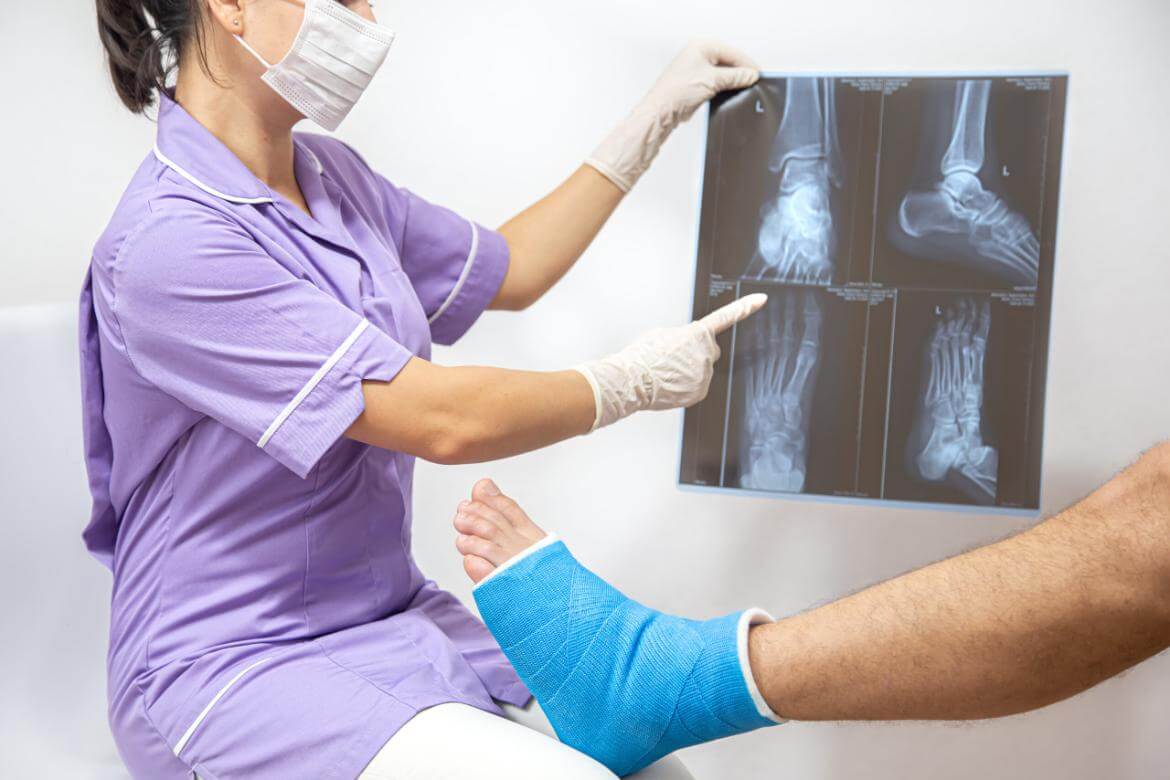
X-ray: X-rays are the most commonly used imaging method for diagnosing bone cancer. X-rays can be used to detect any abnormalities in the bone.
Magnetic resonance imaging (MRI): An MRI may be used to provide a more detailed image of bone cancer. It can provide more detailed images than X-rays.
Computed tomography (CT): CT can be used to detect bone cancer and determine its extent of spread. CT can provide a more detailed image than imaging modalities such as X-rays and MRIs.
Blood tests: Blood tests can help diagnose bone cancer. If bone cancer is present, the blood tests may show different results than normal.
Bone biopsy: A bone biopsy may be performed to confirm a diagnosis of bone cancer. This involves removing a small piece of bone tissue and sending it for laboratory analysis. The biopsy results can help determine the type and severity of bone cancer.
Bone Cancer Treatment Methods
Treatment for bone cancer may vary depending on the type and stage of cancer and the individual's health status.
- Surgery: Surgery is a treatment for bone cancer. Doctors may perform surgery to remove cancerous bone tissue or a section of bone. After surgery, the bone tissue is usually replaced with a prosthesis or an allograft (bone tissue from another person).
- Chemotherapy: Chemotherapy is a drug treatment used to treat bone cancer. Chemotherapy drugs are used to stop the growth of or kill cancer cells. This treatment can be administered as oral pills, injections, or intravenous infusions.
- Radiotherapy: Radiotherapy is another treatment used to treat bone cancer. Radiotherapy uses high-energy radiation to kill cancer cells. This treatment is administered by focusing the target on cancerous bone tissue.
- Targeted therapy: Targeted therapy is another drug treatment used to treat bone cancer. This treatment works by targeting specific proteins that damage cancer cells. It's often used in combination with other treatments.
- Combination therapy: Combination therapy is the combined use of several different methods to treat bone cancer. For example, surgery, chemotherapy, and radiation therapy may be used together.
Treatment for bone cancer varies depending on the individual's condition and the stage of the cancer. Therefore, it's important to consult a specialist to determine the most appropriate treatment plan for bone cancer.
Most frequently asked questions
What is the cost of bone cancer tumor surgery?
The cost of bone cancer surgery varies depending on many factors, including the country where the surgery will be performed, the location of the hospital or healthcare facility, the complexity of the surgery, the techniques used, the doctor's experience, the length of hospital stay, laboratory tests, anesthesia, and other factors.
It's difficult to give an exact cost for bone cancer surgery because every situation is different and the cost depends on many variables. It's best to come to our hospital for your bone cancer surgery and contact the doctor for a detailed cost assessment.
Is a bone tumor dangerous?
Bone tumors come in many types, and their dangers can vary. Whether a bone tumor is dangerous depends on factors such as its type, size, speed of spread, and potential for spread. Some potential dangers of bone tumors include:
- Malignant bone tumors: Malignant bone tumors are cancerous tumors that have the potential to spread. These can be particularly dangerous because of their ability to metastasize. Metastasis means that cancer cells break away from the original tumor and spread to other parts of the body.
- Fast-growing tumors: Some bone tumors can grow rapidly. Rapid growth can weaken bone structure and lead to bone fractures. Furthermore, fast-growing tumors can put pressure on surrounding tissues and organs, disrupting their function.
- Skeletal weakening: Bone tumors can weaken bone structure, leading to fractures. This makes bones brittle, and even minimal trauma increases the risk of fractures.
- Impairment of function: Large bone tumors or tumors in sensitive areas of bones can interfere with normal mobility and function. For example, if a bone tumor affects part of the leg, a person may have difficulty walking.
Not all bone tumors are cancerous or dangerous. Many bone tumors can be benign and have limited growth potential. However, if you have any symptoms or concerns about bone tumors, it's important to consult a healthcare professional.
Where are bone tumors most common?
Bone tumors can occur in any bone area of the body. However, some bones are more commonly affected than others. The most common sites for bone tumors are:
- Thigh bones (femur): The femur is one of the largest and strongest bones in the body, so bone tumors often occur there. Thigh bones can be affected in various locations, including the upper (proximal femur) or lower (distal femur) portion of the femur.
- Lower extremity bones: Lower extremity bones such as the kneecap (patella), shinbone (tibia), and calfbone (fibula) are other common sites for bone tumors.
- Upper extremity bones: Upper extremity bones such as the shoulder bone (scapula), upper arm bone (humerus), and elbow bone (radius and ulna) are also areas that can be affected by bone tumors.
- Spine: The spinal bones are also a common area affected by bone tumors. Tumors in the spinal bones can often be concentrated in a specific area (vertebra) and can cause symptoms such as back or neck pain, nerve compression, or spinal cord injury.
- Skull: The skull bones are also an area where bone tumors can occur. Some of these tumors can be benign, while others can be malignant.
Does bone cancer spread quickly?
The rate at which bone cancer spreads can vary depending on the type of tumor, its size, its aggressiveness, and whether it is treated. Some types of bone cancer may spread more quickly, while others may grow more slowly.
For example, some types of malignant bone cancer, such as osteosarcoma and Ewing sarcoma, can grow and spread rapidly. These types of cancers are more common among teenagers and young adults. Because of this rapid growth, early diagnosis and treatment are crucial.
Has anyone survived bone cancer?
Yes, many people survive bone cancer. Bone cancer is a treatable disease, and treatment varies depending on the type and stage of the tumor, the patient's overall health, and other factors. Thanks to advanced diagnostic and treatment methods, many people with bone cancer have achieved full recovery.
