


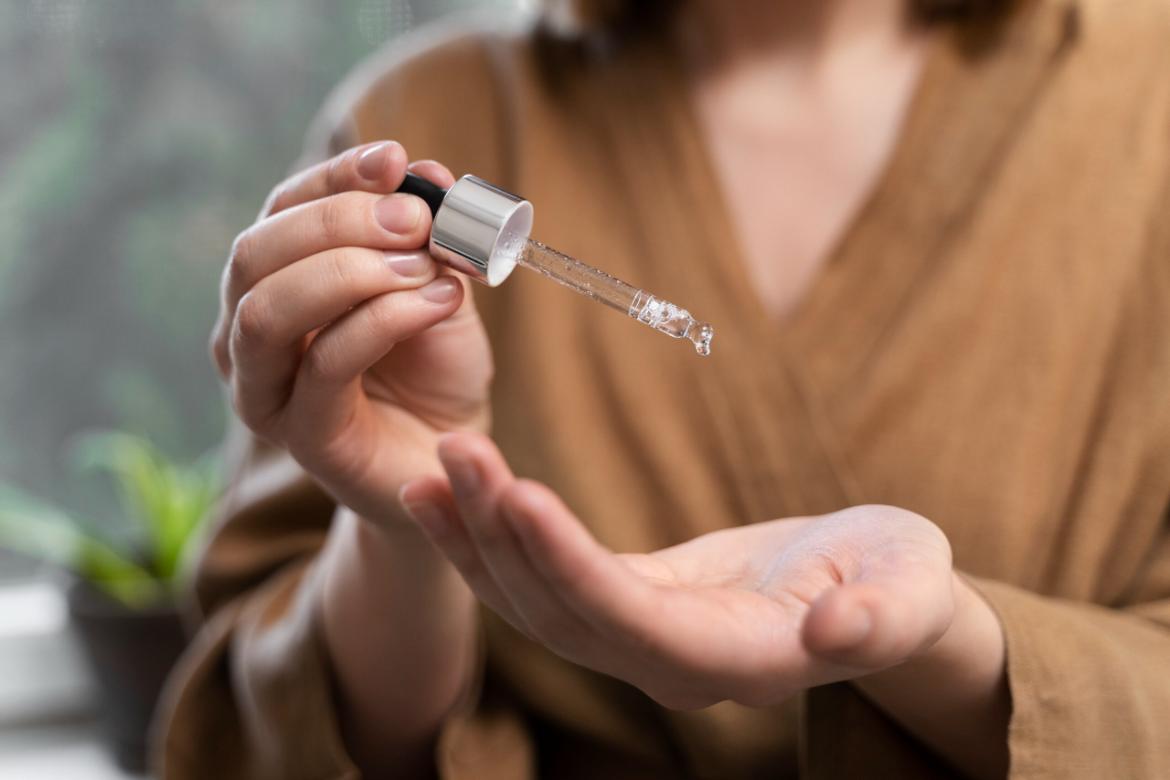
What is Azelaic Acid? What are the Benefits of Azelaic Acid?
Azelaic acid is a compound naturally found in various grain products. It is particularly effective against skin conditions such as acne and rosacea, making it a preferred ingredient. By cleansing skin pores and protecting against bacteria, it can help reduce acne breakouts. Products containing azelaic acid are typically available in gel, foam, or cream forms and typically contain 15% azelaic acid.
However, it's important to remember that azelaic acid alone is not sufficient. When used in acne treatment, unwanted side effects such as burning, dryness, and peeling of the skin can occur. Therefore, these potential effects should be considered before use.
Azelaic acid's antimicrobial properties make it effective against various types of bacteria. This makes it a popular ingredient in acne-fighting products. When used to address skin problems, you can choose from cream, foam, serum, or gel products.
What is azelaic acid used for?
Azelaic acid is a compound that is effective in combating skin problems. It can be used to improve skin appearance and alleviate symptoms, especially in individuals with skin conditions such as rosacea, pigmentation problems, and acne.
The effect of azelaic acid on acne scars
Azelaic acid is a product available in serum or cream form. It can help prevent post-acne scarring and new acne breakouts. By stimulating skin cell turnover, this substance can significantly improve the appearance of acne-related skin scars. Azelaic acid can also inhibit melanin synthesis, which can cause changes in skin color.
The role of azelaic acid in rosacea
Azelaic acid, with its anti-inflammatory properties, may help alleviate symptoms associated with rosacea. Various studies indicate that regular use of azelaic acid gel may provide some improvement in the appearance of swollen and visible blood vessels caused by rosacea.
Effect of azelaic acid on hyperpigmentation
Inflammation in the skin following acne attacks can cause a condition that can result in hyperpigmentation in some areas. Azelaic acid use may have a positive effect on the appearance of hyperpigmentation by inhibiting the overgrowth of discolored skin cells.
Azelaic acid's skin lightening properties
Similar to its use in hyperpigmentation, azelaic acid can also be used to lighten skin. It can help achieve a lighter skin tone by eliminating melanin-induced discolorations in the applied area.
Proper use of azelaic acid
Azelaic acid is available in gel, foam, or cream form, but the general directions for use are generally similar. These instructions can be summarized as follows:
- Skin preparation: Washing the skin area to be applied with warm water and gently drying it.
- Hand hygiene: Hands should be clean and washed before application.
- Small amount of use: Applying a small amount of azelaic acid product to the relevant skin area.
- Massage: Apply the product to the skin with a gentle massage and wait for it to dry completely.
- Use of additional products: Use of cosmetic products, if necessary, after complete drying.
While azelaic acid is quite easy to use, it's important to avoid astringent deep cleansing products before use. It's also always a good idea to consult a dermatologist for advice before using the product for the first time.
Daily use of azelaic acid and application recommendations
When using azelaic acid, it's important to consult a dermatologist to choose the appropriate form and product. In general, azelaic acid products in cream form may be particularly suitable for those with dry and sensitive skin because they provide extra hydration. Serums and gels, on the other hand, are lighter and faster-absorbing options and may be preferred by those with oily skin. Recommendations for daily azelaic acid use:
- Consult a dermatologist: Consult a dermatologist to determine which form and concentration is right for you.
- Frequency of use: Initially, start with light concentrations and progress to daily use.
- Nighttime use: It is recommended to apply to clean skin at night. It can be used after cleansing and before applying moisturizer.
- Acclimation period: Start with low concentrations until the skin becomes accustomed to azelaic acid, and over time you can increase the frequency of use.
- Strengths: As your skin adapts and tolerance develops, you can switch to strengths and use them twice a day.
Every skin type is different, so it's important to consult a professional to determine the best use for your individual needs.
Can azelaic acid be used every day?
Safe use of azelaic acid should be done with the advice and guidance of your physician. In general, use can be started two to three times a week initially to minimize skin irritation, then gradually progress to daily use.
Factors such as your skin type, sensitivity, and azelaic acid concentration are important in determining frequency of use. Following your doctor's personalized recommendations can help minimize side effects and ensure the healthy integration of azelaic acid into your skincare routine.
Can azelaic acid be used during pregnancy?
Azelaic acid is among the products that can be used during pregnancy. However, it's important to consult a healthcare professional before using any cosmetics or medications during pregnancy. This can help you choose the safest and most appropriate product for your individual circumstances and skin type.
While animal studies have shown that azelaic acid use does not cause birth defects, human research during pregnancy is limited. Therefore, it's important to consult your doctor before using azelaic acid during pregnancy, especially during the first trimester. It's important to be careful with skin care products and medications during pregnancy to maximize the health of your baby.
What are the side effects of azelaic acid?
Azelaic acid use may cause side effects in some people. Here is a list of these side effects:
Common side effects:
- Burning or tingling sensation on the skin
- Peeling of the skin in the application area
- Redness and dryness
Less common side effects:
- Increased complaints in people with eczema problems
- Blisters or flaking on the skin
- Extreme irritation and edema development
- Joint pain and stiffness
- Skin rash and itching
- Fire
- Shortness of breath
These side effects typically occur when azelaic acid is first used and may decrease over time. However, if serious side effects occur, a healthcare professional should be contacted immediately.
It's important to remember that everyone's skin is different, so side effects can vary from person to person. It's important to consult a healthcare professional and create a personalized skin care plan before using azelaic acid.
What should not be used with azelaic acid?
It is recommended that you avoid using azelaic acid in combination with certain products, as these combinations may cause skin irritation or adverse reactions. Some products that should not be used with azelaic acid include:
- Retinoids (Retinol, Retin-A): Both products can sensitize the skin and cause skin irritation when used together.
- Benzoyl Peroxide: Using azelaic acid and benzoyl peroxide in the same skin care routine can cause skin dryness and irritation.
- Vitamin C products: Products containing vitamin C can also cause skin irritation when combined with azelaic acid.
- Alpha hydroxy acids (AHA) and beta hydroxy acids (BHA): These acids should not be used in the same routine as azelaic acid, as they can also sensitize the skin.
- Bleaching agents: Concomitant use of bleaching agents (e.g., hydroquinone) with azelaic acid may cause skin reactions.
Before using any skin care product or medication, it's always best to consult a dermatologist or healthcare professional. These professionals can provide you with the most appropriate products and instructions for use based on your skin type and specific needs.
