


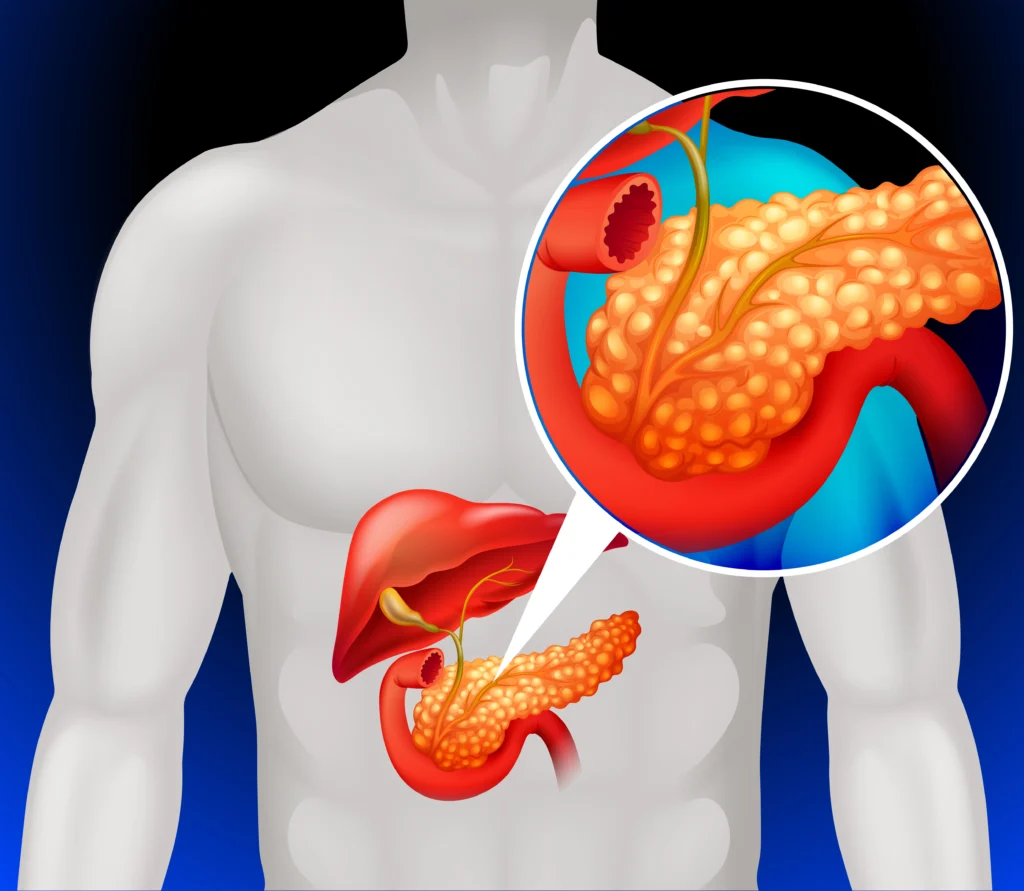
What is acute pancreatitis? Symptoms and treatment
Acute pancreatitis is an acute illness caused by sudden inflammation of the pancreas. This condition is often caused by bile problems or excessive alcohol consumption. Located at the back of the stomach, the pancreas is a vital organ that regulates hormones such as insulin and glucagon, helping to control blood sugar and aid in food digestion.
Some cases of acute pancreatitis are associated with conditions such as high triglycerides, elevated calcium levels, or genetic factors. This disease typically presents with symptoms such as severe abdominal pain, high fever, rapid breathing, nausea, and vomiting. Treatment typically includes a special diet to help heal gallstones and reducing alcohol consumption. Acute pancreatitis typically resolves on its own within a week.
Symptoms include severe pain in the middle of the abdomen, fever over 38 degrees Celsius, nausea, and vomiting. These symptoms play a significant role in determining the severity of the disease.
While acute pancreatitis is often associated with gallstones and excessive alcohol consumption, the exact cause is often unknown in some cases. Reducing alcohol consumption and following a special diet to reduce the likelihood of gallstones can be effective in reducing the risk of acute pancreatitis. This condition typically presents more suddenly and for a shorter period than chronic pancreatitis, but in severe cases, it can cause serious complications and affect pancreatic function.
Symptoms of acute pancreatitis: Severe pain in the middle of the abdomen and other symptoms
Symptoms of acute pancreatitis are often severe and characteristic and may manifest as:
- Severe abdominal pain: The most prominent symptom of acute pancreatitis is intense abdominal pain that begins suddenly in the center of the abdomen and radiates to the back in a belt-like pattern. This pain can sometimes worsen with coughing, strenuous movements, and deep breathing. Sitting upright or leaning forward may provide some relief.
- High fever: Another symptom of the disease is a fever above 38 degrees Celsius (100.6 degrees Fahrenheit). This increase in body temperature is usually due to an inflammatory process.
- Increased breathing: Acute pancreatitis can affect the respiratory system, causing increased breathing. This may be due to the body's attempt to increase oxygen intake.
- Nausea and vomiting: Acute pancreatitis often presents with nausea and vomiting. These symptoms can occur due to inflammation affecting the digestive system.
- Difficulty urinating: Inflammation caused by pancreatitis can interfere with normal bowel function, leading to difficulty urinating.
- Yellowing of the eyes: Due to increased bilirubin levels, acute pancreatitis can cause symptoms of jaundice such as yellowing of the eyes (icterus).
- Changes in stool color: Pancreatitis-related disruptions in digestive enzymes can cause changes in stool color. This typically manifests as light or oily stool.
Symptoms can vary from person to person, and while some cases of illness can be mild, others can lead to more serious complications. Therefore, it's important to see a healthcare professional when symptoms appear.
Causes of acute pancreatitis
Many factors can contribute to the development of acute pancreatitis. The most common causes include:
- Gallstones: One of the most common causes of acute pancreatitis. Gallstones can block the bile ducts, leading to inflammation of the pancreas.
- Excessive alcohol consumption: Excessive alcohol consumption can cause inflammation of the pancreas. Acute pancreatitis can develop as a result of alcohol directly damaging the pancreas.
- High triglyceride levels: High blood triglyceride levels can trigger pancreatitis. This condition is often due to genetic factors or dietary habits.
- High calcium levels: Abnormally high levels of calcium in the blood can lead to inflammation of the pancreas.
- Medication: Certain medications can increase the risk of pancreatitis. Some antibiotics, steroids, and diuretics are potential triggers.
- Autoimmune causes: Autoimmune reactions can lead to the development of pancreatitis, where the body attacks its own pancreatic cells.
- Hereditary/genetic factors : Genetic predisposition may increase an individual's risk of acute pancreatitis. Individuals with a family history of the disease may be at higher risk.
- Anatomical abnormalities: Structural or anatomical abnormalities of the pancreas may prevent the proper flow of secretions, causing acute pancreatitis.
In 10-30% of patients, no specific cause can be identified, and this condition is called idiopathic acute pancreatitis. Microgallstones are believed to be the cause in most of these idiopathic cases.
How is acute pancreatitis diagnosed?
The following steps are followed to diagnose acute pancreatitis:
- Medical history and physical examination: A detailed medical history is taken from the patient and a physical examination is performed. Symptoms, general health status, and risk factors are evaluated.
- Blood tests: A blood sample is taken to examine pancreatic, liver, and kidney functions. Levels of enzymes such as lipase and amylase are examined to assess the presence or severity of pancreatitis.
- Imaging tests: Imaging tests such as computed tomography (CT) or magnetic resonance imaging (MRI) are used to examine the condition of the pancreas. These tests are important for evaluating inflammation, edema, and potential complications.
- Endoscopic ultrasound (EUS): An endoscopic ultrasound may be performed to identify inflammation or obstructions in the pancreatic duct or bile duct. This examination provides more detailed and direct information.
- Other imaging methods: If necessary, other imaging methods such as radiography or endoscopy may be used.
The results of all these tests are combined to determine the diagnosis of acute pancreatitis, based on the patient's condition and symptoms. A prompt diagnosis allows for early initiation of appropriate treatment and can reduce the risk of complications. Following diagnosis, the patient's follow-up and treatment plan are tailored to their specific condition.
Treatment of acute pancreatitis
Treatment for acute pancreatitis is determined individually based on the patient's overall health, symptom severity, and potential complications. Acute pancreatitis treatment methods include:
- Hospital supervision: Every patient must remain under hospital supervision. Doctors, nurses, and other healthcare professionals closely monitor the patient's condition and intervene as needed.
- Pain management: Pain management is an important part of acute pancreatitis treatment. Analgesic medications may be used to relieve pain and promote patient comfort.
- Fluid balance: Balancing body fluids is crucial. Patients receive intravenous (IV) fluid therapy to compensate for fluid loss.
- Intensive care treatment: In cases of severe acute pancreatitis, particularly necrotizing pancreatitis, the patient may be admitted to an intensive care unit. In this case, necessary measures are taken to support vital organs such as respiratory and renal function.
- Surgery: In severe cases and complications, surgery may be necessary. Surgery may be performed to remove the pancreatic tissue, particularly in cases of pancreatic necrosis (dead pancreatic tissue).
- Treating the underlying cause: It's important to treat the underlying causes of pancreatitis. For example, gallbladder surgery can be performed for gallstones. Alcohol cessation programs may be recommended for pancreatitis caused by alcohol consumption.
- Dietary changes: Initially, the patient is usually given no oral nutrition and is provided only with intravenous fluids. Later, dietary changes are gradually made, particularly limiting fat and alcohol intake.
Treatment of acute pancreatitis requires a multidisciplinary approach and should be tailored to the patient's condition. Treatment focuses on improving recovery and minimizing the risk of complications.
Acute pancreatitis recovery process
Recovery from acute pancreatitis can vary depending on the patient's condition, severity of illness, and potential complications. Recovery typically includes the following steps:
- Patient monitoring: The patient's condition is constantly monitored and supervised. Vital signs are checked regularly, and medical interventions are administered as necessary.
- Fluid support: In case of acute pancreatitis, intravenous fluid therapy is administered to the patient to replace fluid loss and regulate the electrolyte balance in the body.
- Oral feeding and intravenous feeding: During the inflammatory process, oral feeding is usually discontinued and the patient may be given intravenous nutrition. This is to allow the pancreas to rest and support the healing process.
- Painkillers: Painkillers are given to the patient. This helps them relax and focus on the healing process.
- Antiemetic medications: Antiemetic medications can be used to manage the symptoms of nausea and vomiting. They help the patient relax and maintain fluid balance.
- Antibiotic treatment: In some cases, especially if the risk of infection is high, antibiotic treatment may be prescribed.
- Transition to oral feeding: Once pain and other symptoms are under control, the patient can be gradually transitioned to oral feeding. However, this stage depends on the patient's tolerance.
- Follow-up and check-ups: The patient's condition is monitored regularly throughout the recovery process. If necessary, the condition of the pancreas is assessed using tests and imaging methods.
The recovery process varies from person to person and from patient to patient. Mild cases may improve within a few days, while more severe cases may take several weeks or months. During the recovery period, patients should adhere to the plan established by their healthcare professionals and, if necessary, follow recommendations for dietary and lifestyle changes.
Acute pancreatitis diet
Nutritional therapy is important for patients with acute pancreatitis and is often guided by healthcare professionals. General principles for an acute pancreatitis diet:
- Transition to Nutrition: During an acute pancreatitis attack, oral feeding may be interrupted to allow the patient's stomach to rest and reduce the load on the pancreas. In this case, intravenous feeding may be administered. Later, depending on the patient's tolerance, an oral liquid diet may be initiated.
- Low-fat diet: In acute pancreatitis, a low-fat diet is recommended. Fatty foods can further stimulate the enzymes secreted by the pancreas and worsen symptoms.
- Balanced protein intake: Protein intake should be at a normal level. However, protein sources should be selected based on individual needs and tolerance.
- Carbohydrate regulation: Carbohydrate intake is regulated according to individual needs and tolerance. This is important for providing energy and supporting body functions.
- Increasing meal frequency: By increasing the number of meals, you can reduce the amount of food you eat. This can help the pancreas produce smaller amounts of enzymes and facilitate the digestive process.
- Prohibited foods and drinks: Patients with acute pancreatitis should avoid certain foods and drinks. This includes eggs, fatty foods, pastries, dumplings, clotted cream, cream, chocolate, tahini, processed meats, fatty nuts, organ meats, gas-producing foods, and excessively spicy foods.
- Dietitian monitoring: Nutrition after acute pancreatitis should be managed by a dietitian. A personalized diet plan should be created based on the individual's needs and tolerance.
Depending on the patient's condition, a diet that adheres to these general principles can support the healing process. Therefore, the acute pancreatitis diet should be determined by a nutritionist and healthcare professional.
Precautions after acute pancreatitis
After an acute pancreatitis attack, the following measures can be taken to support patients' recovery and prevent future attacks:
- Avoiding alcohol and smoking: Alcohol consumption is a risk factor for pancreatitis. Therefore, it's important to avoid alcohol after acute pancreatitis. Smokers are also advised to quit, as smoking can negatively impact the pancreas.
- Low-fat diet: After acute pancreatitis, it's important to follow a low-fat diet. Fatty foods can overstimulate the pancreas and worsen symptoms.
- Drink plenty of water: Good hydration compensates for fluid loss caused by pancreatitis and helps regulate body functions. It's important to drink enough water daily.
- Healthy eating habits: Adopting a healthy diet that includes protein, fiber, and balanced carbohydrates can help meet the body's needs. Working with a dietitian is recommended.
- Alternative methods : Alternative methods are not the primary treatment for pancreatitis, but they can be helpful in managing pain. Techniques such as meditation, relaxation exercises, and yoga can help manage pain. However, the effectiveness of these methods can vary from person to person.
- Regular exercise: Physical activity can improve overall health. However, an individual's health status and doctor's recommendations should be considered when developing an exercise plan.
- Doctor's checkups: Patients should attend regular checkups to monitor their recovery and prevent potential complications. It's important to follow their doctor's recommendations.
Each individual's situation is different, so precautions should be personalized. Patients should follow the guidance of their healthcare professionals and adopt healthy lifestyle habits.
Can acute pancreatitis recur?
Yes, acute pancreatitis can recur. In people who have a single episode of acute pancreatitis, no underlying cause can be identified, and this condition is called idiopathic acute pancreatitis. However, if an underlying cause is present and left untreated, it can recur.
For example:
- Gallstones: Gallstones can trigger pancreatitis. In this case, gallbladder surgery (cholecystectomy) may be performed to prevent attacks of acute pancreatitis caused by gallstones.
- Alcohol use: Excessive alcohol consumption can also increase the risk of acute pancreatitis. If alcohol has damaged the pancreas, alcohol withdrawal therapy is recommended.
- High blood fats: High triglyceride levels can also trigger pancreatitis. In this case, high blood fats should be treated and controlled.
- Genetic factors: Certain genetic or inherited conditions may increase the risk of pancreatitis. In these cases, measures can be taken to address genetic factors.
Following treatment, it's important for patients to have regular checkups with their doctor and monitor their health, depending on the underlying cause. Adhering to professional recommendations and regularly receiving necessary treatments can help prevent recurring episodes of acute pancreatitis.
