


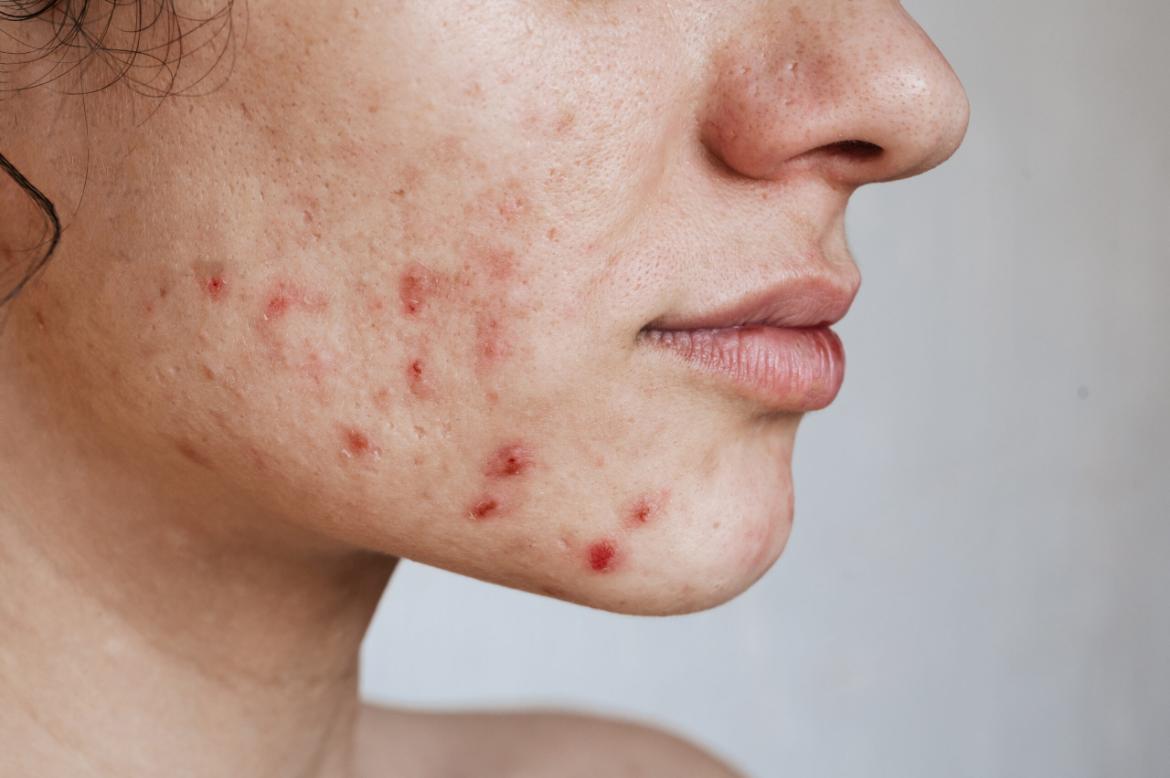
What is Acne and Why Does It Occur?
Acne , a common skin condition that typically begins during adolescence and affects many people's skin health , occurs when the sebaceous glands produce excess oil, which combines with dead skin cells to clog pores. These clogged pores provide a perfect breeding ground for bacteria, which then become inflamed and cause acne.
What is Acne?
Acne can appear not only on the face but also on other areas of the body, such as the back, shoulders, and chest. Many factors, including hormonal imbalances, stress, unhealthy eating habits, genetics, and the use of incorrect skincare products, can trigger acne. However, certain skin types are more susceptible to acne formation. It's known that acne problems are much more common during periods of hormonal fluctuation, such as puberty, menstrual cycles, pregnancy, or menopause.
There are various types of acne that can be disturbing in appearance. Acne treatment can vary depending on the type of acne. Comedones, papules, pustules, nodules, and cysts are the most common types of acne. Comedones are divided into two categories: blackheads (open comedones) and whiteheads (closed comedones). Blackheads are located close to the skin's surface and appear dark due to exposure to oxygen. Whiteheads, on the other hand, are located under the skin.
Papules, described as small, red, and tender pimples, are not infected; however, they develop a red appearance due to skin irritation. Pustules are red, inflamed, and have whiteheads. Because they contain pus, they can leave a mark on the skin's surface when squeezed. Nodules and cysts, another type of acne, are larger and more painful than other types. They form in deep tissue and can cause serious skin damage if squeezed.
Why Does Acne Occur?
There are various factors that cause acne. These factors can vary depending on the type of acne, the location of the acne, and the individual's skin type.
- Genetic predisposition: Individuals with a family history of acne are more likely to experience this problem than other individuals.
- Hormones: Hormonal fluctuations during puberty cause the sebaceous glands to work harder, leading to oily skin and acne.
- Stress: Stress affects hormones and triggers acne formation on the skin.
- Eating habits: Excessive consumption of sugary, fatty and processed foods causes acne on the skin.
- Wrong skin care products: Using products that are not suitable for your skin type can clog pores and cause acne.
Acne Treatment Methods
Acne treatment can vary depending on the type of acne and skin type. Mild acne can usually be controlled with regular skin care, while more severe cases require medication or medical treatment under the supervision of a dermatologist .
Acne can be treated with medications in the form of acne creams, lotions, and gels. These products generally control excess oil and eliminate bacteria. In severe cases, dermatologists may prescribe antibiotics or hormone-regulating medications. Laser and light therapy, which eliminate bacteria in the dermis and accelerate skin renewal, are effective treatment options for acne. Regular cleansing and moisturizing, along with choosing the right cosmetic products, are also highly effective in reducing acne formation.
Even after acne fades, it can leave scars on the skin, which can be a cause for aesthetic concern for many. With the advancements in modern medicine, various methods are available for treating acne scars and preventing them from reappearing.
Acne is a common skin problem that can occur in both adolescence and adulthood. Using the right treatment methods and regular skin care, depending on the type of acne, can help prevent acne and scarring.
Nutritional habits, stress management, and healthy lifestyle choices are among the factors that positively impact skin health. If acne worsens or leaves permanent scars, consulting a dermatologist is the most effective solution. It's especially important to see a doctor if you have large, inflamed, cystic acne, or acne accompanied by other skin conditions . Dermatologists can provide permanent solutions to your problem by applying treatments specific to your skin type and acne type. It's important to remember that for severe acne, the most effective solution is to consult a dermatologist with expertise in the field .
