


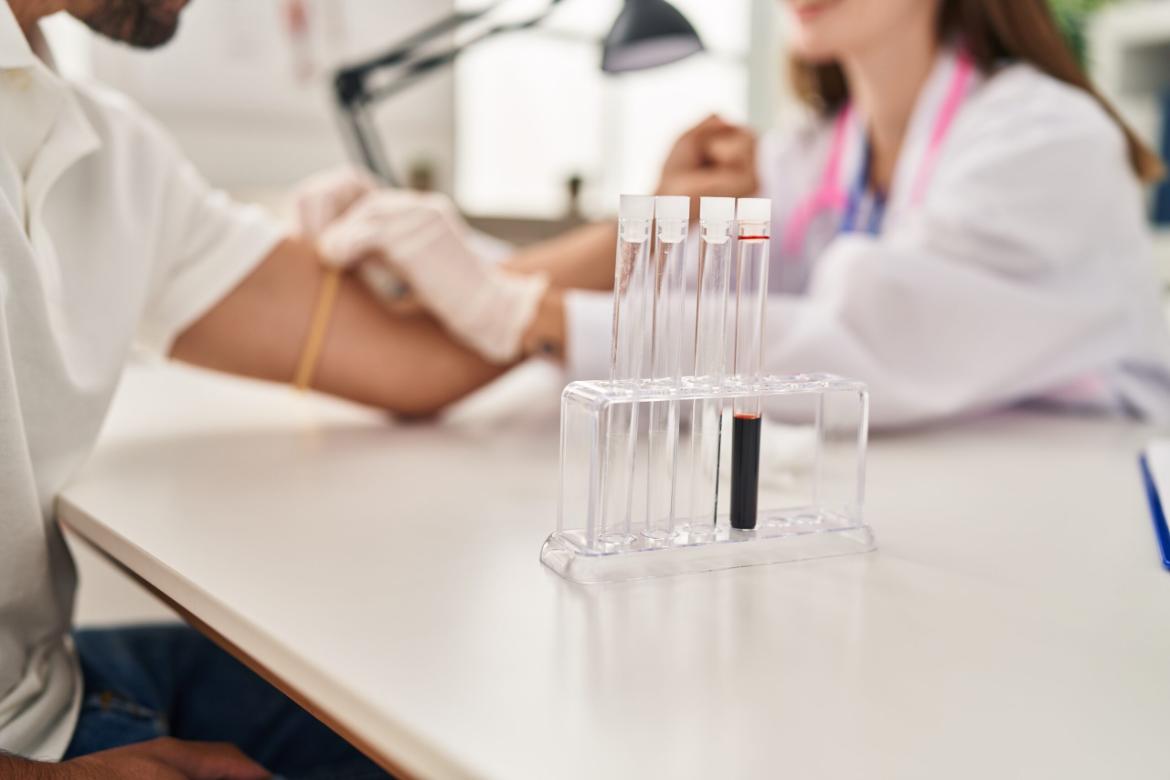
What is a PPD Test and How is it Performed?
PPD, a test used to diagnose tuberculosis, is used to determine its presence in a person's blood. PPD stands for purified protein derivative, and this method is used to diagnose tuberculosis infection. Tuberculosis, which affects the lungs and is contagious, is detected through the PPD test. A positive result indicates that the person has tuberculosis infection, and treatment is initiated.
The PPD test is performed by injection, usually into the inner forearm. Temporary redness and swelling, which may occur within 48 hours after the test, are considered signs of susceptibility to tuberculosis.
Individuals at risk of TB, those who have been exposed to TB, those struggling with diseases that affect the immune system, or those taking steroid medications can obtain a PPD test to determine their potential infection status. This allows for early diagnosis, initiation of treatment, and improved management. Test results are important for monitoring TB symptoms and, if necessary, revising treatment plans. PPD testing is an effective tool in healthcare and plays a crucial role in protecting a person's health.
Why is a PPD test performed?
The PPD test is a blood test used to detect the presence of tuberculosis. Tuberculosis is a serious, contagious lung infection, commonly known as "TB." This disease can cause serious damage to the lungs, kidneys, and other organs. Its contagious nature also poses a public health threat.
The PPD test, which is performed to detect the presence of tuberculosis and start treatment, is especially important in the following situations:
- Contact with a tuberculosis patient: People who have been in direct contact with a tuberculosis patient can have a PPD test to prevent the risk of contracting the disease.
- Healthcare workers: Healthcare workers may need to have regular PPD tests because they are in close contact with patients and have a high risk of contracting the disease.
- People with weakened immune systems: People taking steroid-type medications or those with weakened immune systems due to conditions such as cancer or AIDS are more susceptible to tuberculosis infection. Therefore, these groups can be tested for the presence of the disease with a PPD test.
Tuberculosis can be asymptomatic and remain dormant for years in a condition called latent tuberculosis. However, in individuals with symptoms such as fever, weight loss, cough, and night sweats, the PPD test is an important tool for detecting the disease. This test is a key step toward early diagnosis and treatment, which can prevent the spread of the disease and is crucial for a healthy community.
How is the PPD test performed?
The PPD test is performed by injecting a 0.1 ml needle, usually into the inner surface of the forearm. The needle is inserted using a tuberculin syringe and is positioned with the needle tip pointing upward during the injection. This test is a purified protein derivative called tuberculin.
Following the test, a doctor will evaluate the test area within 48 to 72 hours. During this time, you may experience redness and swelling in the injection area, but this reaction usually resolves without incident.
Evaluating the PPD test involves examining skin reactions at the injection site. The doctor carefully observes any reactions at the test site. A positive PPD test may indicate the presence of tuberculosis infection.
This test is used to detect the presence of tuberculosis, and a positive result indicates that a person may be infected with tuberculosis. Early diagnosis is important for initiating treatment and preventing the spread of the disease. However, a positive PPD test only indicates the presence of infection, and further testing should be conducted to determine whether the disease is active.
Who should have the PPD test?
PPD testing should be performed especially in the following groups:
- Persons who have had direct or ongoing contact with a TB patient should undergo PPD testing. These individuals may have been exposed to the risk of contracting the disease.
- People living in crowded environments: Individuals living in crowded places, such as prisons, should be tested for PPD due to the potential for rapid spread of tuberculosis.
- Travelers to areas where TB is common: A PPD test is recommended for people who have recently traveled to areas where TB is common. This is important to assess the risk of transmission.
- Those with symptoms of tuberculosis: People with symptoms of active tuberculosis, such as fever, cough, chest pain, fatigue, loss of appetite, weight loss, and night sweats, should undergo a PPD test. These symptoms may indicate that the disease is in an active stage.
- Healthcare workers: Healthcare workers should be tested for PPD at regular intervals because they are in direct contact with patients and have a high risk of contracting tuberculosis.
The PPD test is an important tool for early detection and prevention of the spread of TB. However, a positive result only indicates the presence of infection and requires further evaluation to determine whether the disease is active.
PPD test positive symptoms
In the event of a positive PPD test, the size of the initial induration at the injection site is an important evaluation criterion. The measured value in millimeters raises suspicion of potential tuberculosis (TB). Generally, a PPD test is considered positive, raising suspicion of TB:
5 to 9 millimeters: If the injected area hardens between 5 and 9 millimeters, the result is considered positive. However, the patient must meet certain conditions to receive a TB diagnosis. These conditions include:
- Recent contact with someone with tuberculosis.
- Steroid use.
- Changes in chest X-ray that resemble those of TB infection.
- Having HIV positive values.
- History of organ transplantation.
- Use of immunosuppressive drugs.
- History of tuberculosis.
10 to 14 millimeters: If the hardening size is between 10 and 14 millimeters, the following conditions are considered to diagnose the patient with TB:
- A negative PPD skin test performed in the last two years.
- Recent immigration from a country with a high incidence of tuberculosis.
- Living in an environment with a high risk of TB.
- Working in a hospital, medical laboratory, or other high-risk environment.
- Not to be under 4 years old.
- Injecting drugs or narcotics.
- Having diabetes, kidney failure, or another disease that may increase the risk of tuberculosis.
- Living in certain settings, such as a prison or nursing home.
15 millimeters or more : If the erection is 15 millimeters or more, the patient is immediately diagnosed with tuberculosis. This indicates that the person may have been exposed to tuberculosis, and despite being diagnosed, they may not have obvious symptoms of tuberculosis.
Positive PPD test results warrant the need for additional testing to evaluate the patient's condition and initiate appropriate treatment.
What happens if the PPD test is positive?
A positive PPD test result, meaning a swelling of 5 mm or more develops at the injection site on the inner surface of the forearm, may indicate exposure to tuberculosis. A positive PPD test result indicates that the person has been exposed to tuberculosis bacteria and that their immune system is responding to these bacteria. However, a positive PPD test result does not indicate whether the disease is active; therefore, doctors often order further testing and evaluation.
When a positive PPD test result is received, the following steps can be followed:
- Additional tests: Doctors often order additional tests after a positive PPD. These tests may include a chest X-ray, CT scan, and sputum test. These tests are used to determine whether TB is active and which organs are affected.
- Initiating treatment: A positive PPD test result usually requires initiating treatment. Tuberculosis can be controlled with early diagnosis and appropriate treatment. Treatment usually involves antibiotics and is administered according to the doctor's recommendations.
- Monitoring: After treatment, doctors monitor the patient regularly to evaluate the effectiveness of the treatment. With adequate and consistent treatment, the disease is expected to improve.
A positive PPD test result provides an opportunity for early diagnosis and treatment. However, this result only indicates the presence of infection and may require additional testing to inform a treatment plan.
Is the PPD test reliable?
The PPD (Purified Protein Derivative) test is a widely used test to detect tuberculosis infection. However, its reliability may be limited in some cases, and interpretation of results depends on a number of factors.
Some factors that affect the reliability of the PPD test are:
- Bacillus Calmette-Guérin (BCG) vaccine: The BCG vaccine is administered in many countries to protect against tuberculosis. However, this vaccine can affect the response of the PPD test and may cause false-positive test results. Therefore, BCG vaccination should be considered before considering the PPD test.
- Immune status: PPD test responses may be affected in individuals with weakened immune systems. Test reliability may be reduced, particularly in HIV-positive individuals or those taking immunosuppressive medications.
- Past tuberculosis infection: A past tuberculosis infection may affect PPD test results. Depending on the testing site, the test response may reflect past infection.
- Test administration method: Standardization of the PPD test method and the criteria used to evaluate it is important. Variations in administration and evaluation among healthcare professionals can impact reliability.
- Further testing and evaluation: In cases of positive PPD tests, doctors often order further testing and evaluation, including chest X-rays, CT scans, and sputum cultures.
In conclusion, the PPD test is a commonly used tool for detecting tuberculosis infection, but it has some limitations. The reliability of the test may vary depending on the individual's health status, past medical history, and other factors.
