


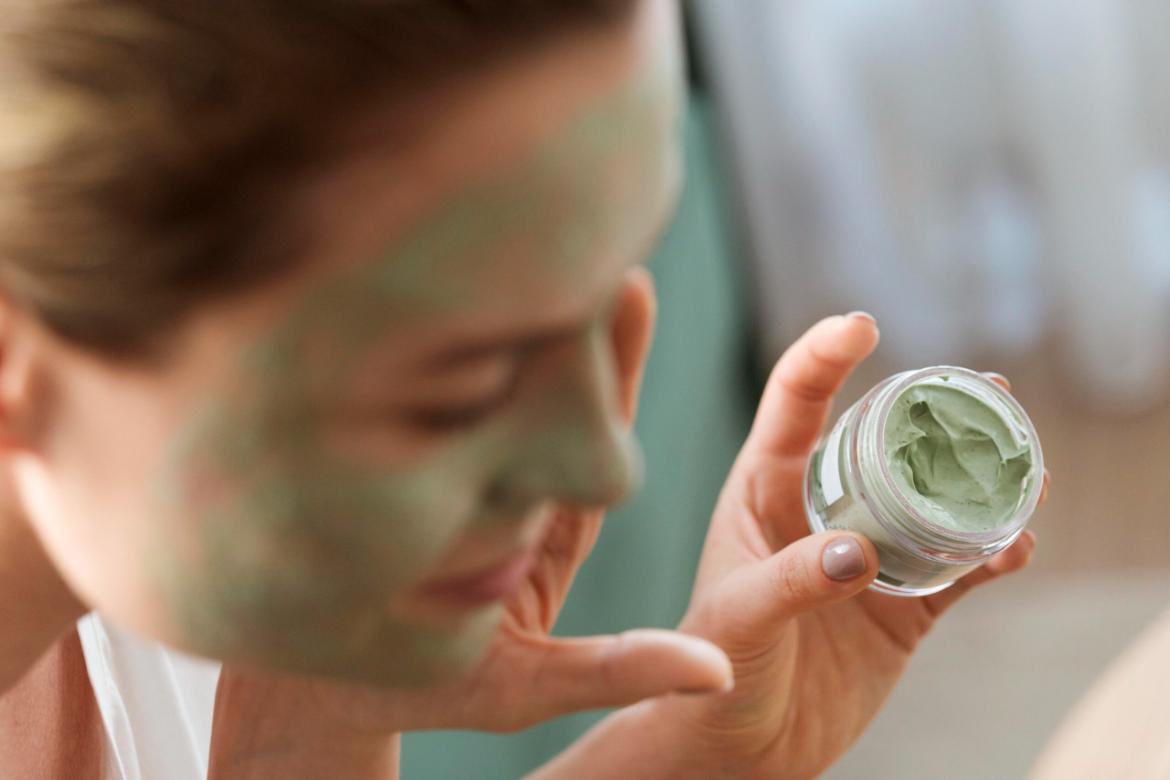
What is a Clay Mask? What are the Benefits of a Clay Mask?
A clay mask is a skincare method that involves applying clay to the skin. Clay is a natural mineral found in a variety of colors and beneficial for skin health thanks to its mineral content. Clay masks are a widely used natural skincare method due to their benefits, including cleansing the skin, treating acne, balancing skin tone, and maintaining skin's moisture balance.
Clay masks are typically mixed with water or other liquids and applied to the skin. Mixing dry clay with liquid makes the mask easier to apply. After applying the mask, allow it to dry for a few minutes. As the clay mask dries, it penetrates deep into the pores and absorbs excess oil and impurities. It also exfoliates dead skin cells, leaving the skin looking smoother and fresher.
Different types of clay can be used to address different skin types and concerns. For example, white clay is suitable for sensitive skin, while green clay may be more effective for oily skin. Before using a clay mask, it's important to choose one that suits your skin type and needs.
Regular use of clay masks can help improve skin health and appearance, but as every skin type is different and any allergies or sensitivities may occur, it is important to consult a skin specialist before using any new product.
What is the use of a clay mask?
A clay mask is a natural skincare product that offers a number of benefits for the skin. The main benefits of a clay mask include:
- Skin cleansing: Clay masks penetrate the skin's pores, absorbing excess oil, dirt, and toxins. This cleanses the skin's surface and prevents pore blockage, reducing the formation of blackheads and acne.
- Acne treatment: Clay has antibacterial and anti-inflammatory properties. It can help treat acne by reducing acne-causing bacteria and soothing skin inflammation.
- Balancing skin tone: Clay masks help regulate the skin's oil and moisture balance. They can absorb excess oil in oily skin and help moisturize dry skin, helping to achieve a more even complexion.
- Removing dead skin cells: Clay mask removes dead skin cells from the skin surface, making the skin look smoother and brighter.
- Skin revitalization : Clay can contribute to the skin looking vibrant and healthy by increasing blood circulation in the skin.
- Reducing the appearance of acne and blemish scars: It may be effective in lightening redness and blemish scars caused by acne and other skin lesions.
- Skin soothing: When a clay mask is applied to the skin, it can soothe the skin and reduce feelings of stress and tension.
It's important to remember that every skin type is different, and clay masks may not produce the same results for everyone. Those with sensitive skin or allergies, in particular, should consult a skin specialist before using a new product. Furthermore, before using a clay mask regularly, it's important to ensure you choose one that's right for your skin type.
What are the benefits of a clay mask?
A clay mask is a natural skincare product that offers many benefits for skin health. The main benefits of a clay mask include:
- Skin cleansing: A clay mask cleans pores by absorbing oil, dirt, and toxins from the skin's surface. This eliminates accumulated dirt and prevents pore clogging.
- Acne and pimple treatment: Clay has antibacterial and anti-inflammatory properties, reducing acne-causing bacteria and soothing skin inflammation.
- Balancing skin tone: Clay absorbs excess oil and regulates the skin's oil balance. It reduces oil production in oily skin and soothes dry skin with its moisturizing effect.
- Tightening pores: A clay mask can help tighten pores because it cleans them and absorbs oil, leaving skin looking smoother and more youthful.
- Removing dead skin cells: Clay mask helps revitalize the skin and give it a bright appearance by removing dead skin cells accumulated on the skin surface.
- Evens out skin tone: When used regularly, a clay mask can help even out skin tone and reduce discoloration.
- Lightening skin blemishes and redness: A clay mask can reduce the appearance of blemishes and redness on the skin and help the skin have a more even tone.
- Soothing the skin and reducing stress: Clay masks soothe the skin and can help reduce stress and tension in the skin.
- Increasing blood circulation in the skin: When a clay mask is applied to the skin, it can increase blood circulation in the skin and contribute to the skin looking more vibrant and fresh.
It's important to remember that clay masks may not be suitable for all skin types and can cause allergic reactions in some people. Therefore, before using a new clay mask, it's important to consult a skin specialist to ensure it's suitable for your skin type. If you experience any skin reactions, discontinue use and consult your specialist.
How to use a clay mask?
Clay masks are a natural product often used in skincare. They absorb oils, cleanse pores, and revitalize the skin. Clay contains a variety of minerals and nutrients, making it an effective option for cleansing and improving skin. To use a clay mask correctly, follow these steps:
- Determine your skin type: Clay masks can be formulated to suit different skin types. Choose the clay mask that best suits your skin type, taking into account whether you have sensitive, dry, oily, combination, or normal skin.
- Prepare your skin: Cleanse your skin by removing dirt and makeup. Wash your face with warm water and a mild cleanser, then pat dry with a soft towel.
- Prepare the clay mask: Clay masks are usually in powder form. Mix your mask according to the instructions with the correct ratio of water, apple cider vinegar, rose water, or a suitable liquid like yogurt. Blend until the mixture reaches a smooth consistency.
- Apply the mask: Using your fingertips, apply the clay mixture evenly to your face. Avoid sensitive areas like the eye area and lips. Start with a thinner layer and build up to a thicker layer if desired.
- Leave it on: Leave the clay mask on for about 10 to 15 minutes. You can let the mask dry completely, but be careful not to let it dry and crack on your skin.
- Wash your face: To prevent the mask from drying on your skin, wash your face with warm water before letting it dry. Gently rinse the mask off with warm water, making sure all the mask is removed. Finally, rinse your face with cold water to tighten your pores.
- Moisturize: A clay mask can draw out excess oil from your skin, so it's important to follow up with a moisturizer. Moisturize your skin by gently massaging it in.
You can use a clay mask several times a week. However, it's important to follow the product instructions for the appropriate frequency of use for your skin type. Also, testing it on a small patch of skin before using it for the first time can help prevent allergic reactions.
What are the types of clay masks?
Clay masks can have different properties due to the various types of clay and other natural ingredients added. Some common clay mask varieties include:
- Bentonite clay mask: Bentonite clay is an absorbent clay that's especially effective for oily skin. It absorbs excess oil and toxins, cleansing pores and soothing acne-prone skin.
- Green clay mask: Green clay is used to cleanse and revitalize the skin. It helps balance oils and clear pores in oily skin, while also having a soothing effect on sensitive skin.
- White clay mask: White clay is suitable for gentle and sensitive skin. It soothes and cleanses the skin while also helping to retain moisture.
- Red clay mask: Red clay is used to revitalize the skin and provide a brighter complexion. It has good toning properties and soothes the skin.
- Rhassoul (Gray) Clay Mask: Rhassoul clay is especially suitable for combination skin. It deeply cleanses the skin and helps balance excess oil.
- Pink clay mask: Pink clay is ideal for sensitive skin. It cleanses, soothes, and helps reduce redness.
- Black clay mask: Black clay helps cleanse the skin by absorbing dirt and toxins. It has a tightening effect and can help reduce blackheads.
- Multani mitti (Fuller's Earth) clay mask: Multani mitti is a type of clay commonly used in India. Its oil-absorbing properties help mattify oily skin and clear pores.
Clay masks are typically sold in powder form and are applied by mixing them with liquids such as water, apple cider vinegar, rose water, yogurt, or aloe vera gel. When choosing a clay mask, it's important to choose one that suits your skin type and check the ingredients. Clay masks made with natural ingredients and suitable for your skin type can help cleanse and nourish your skin. However, it's always important to consult a professional if you have any allergies or sensitivities.
How long should the clay mask stay on the face?
A clay mask is an effective product used to cleanse your skin, tighten pores, and promote skin health. However, how long you should leave a clay mask on your face can vary depending on your skin type and the ingredients in the mask. It's generally recommended to leave clay masks on for 10 to 15 minutes. However, some masks may have different usage instructions, so it's important to follow the recommended time on the product.
Don't leave a clay mask on your face for too long, as letting it dry completely can dry out your skin and cause discomfort. To prevent the mask from drying out, you can remove it by washing your face with warm water before it dries completely.
