


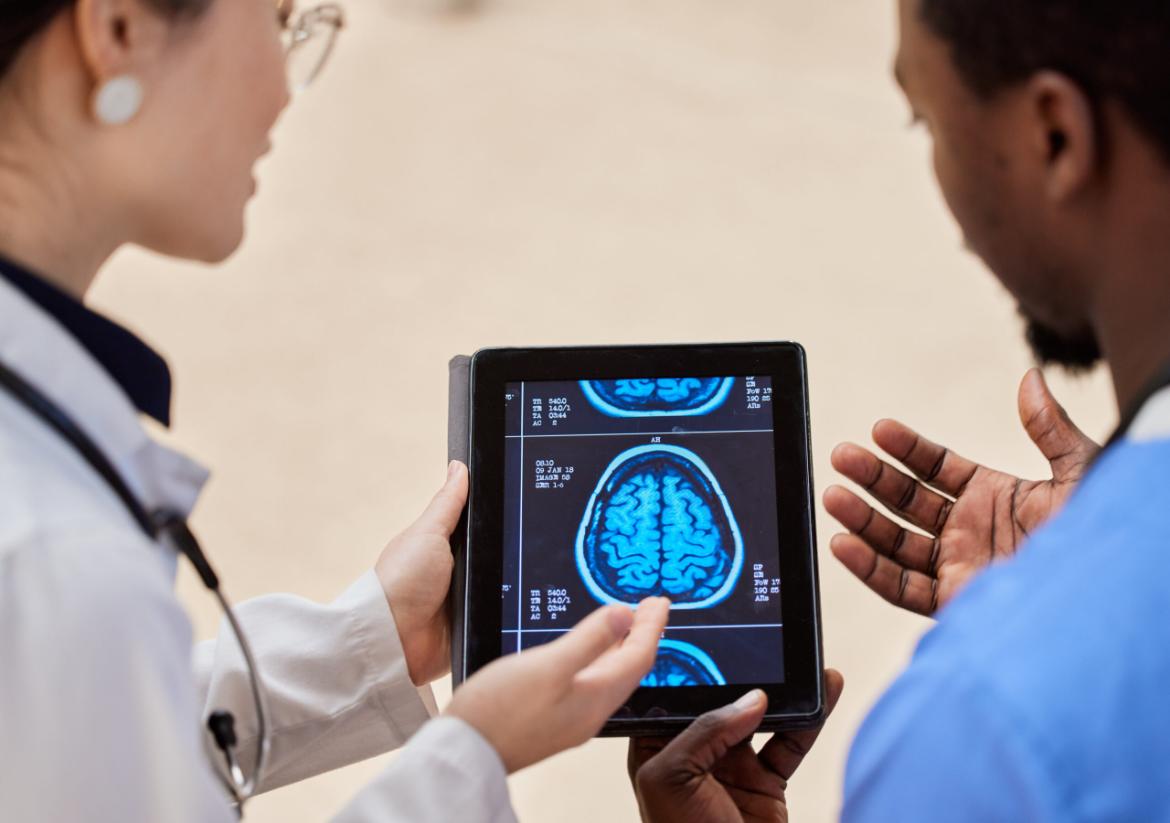
What is a Brainstem Tumor? Symptoms and Treatment
What is a Brainstem Tumor? Symptoms
The brainstem is a critical structure that connects the brain and spinal cord. It performs important functions such as maintaining balance, regulating breathing and heart rate, and transmitting messages to other parts of the body. Tumors in the brainstem, often called gliomas, can cause symptoms such as headaches, loss of balance, nausea, and fatigue, which can negatively impact a person's quality of life. The brainstem is a structure responsible for many basic functions of the body, and it's worth noting that the brainstem consists of three main parts: the midbrain, the pons, and the medulla oblongata. The brainstem also controls important bodily functions such as heart rate, breathing, digestion, and sleep. It also plays an important role in the transmission of emotional information and the development of motor skills.
What is a Brainstem Tumor?
A brainstem tumor is a type of tumor that develops in the central nervous system and can be benign or malignant. This tumor originates in the brainstem, which plays a critical role in controlling vital functions. It begins with healthy cells growing abnormally and transforming into a tumor.
Brainstem tumors are a subclass of tumors in the brain and spinal cord known as astrocytomas. Astrocytes are star-shaped glial cells that are responsible for maintaining the health of the brain and spinal cord. Astrocytomas belong to a broad category of tumors called gliomas.
Classification and Grading of Brainstem Tumors
Grading brainstem tumors is important for determining tumor aggressiveness and treatment options. Tumor grade is typically determined by examination by a pathologist. The lower the grade, the less aggressive the tumor's behavior is generally considered. Brainstem tumors are generally classified as grade 1, 2, 3, or 4.
Brainstem Tumor Signs and Symptoms
A brainstem tumor typically presents with specific symptoms. These symptoms can vary depending on the tumor's location and size. However, the following symptoms may generally be present:
- Imbalance and loss of coordination
- Facial paralysis or muscle weakness
- Nausea and vomiting
- Speech difficulty or disorder
- Hearing problems
- Vision problems or double vision
- Headaches may worsen, especially in the morning
- Numbness or loss of sensation
- Difficulty or disorder in swallowing
- Weakness and fatigue
- Incoordination or ataxia
These symptoms often worsen over time and can seriously impact a patient's quality of life. It's important to consult a healthcare professional if one or more of these symptoms are noticed. The sooner treatment begins, the more effective it generally is.
How Is a Brainstem Tumor Diagnosed?
Diagnosing a brainstem tumor usually begins with an examination of signs and symptoms. Symptoms such as double vision, difficulty speaking, or difficulty swallowing may raise suspicion of a brainstem tumor. However, a definitive diagnosis may require several imaging tests.
The most commonly used imaging method is a brain MRI. This imaging test can clearly show any abnormalities in the brainstem region. Contrast material may be used during a brain MRI to improve visibility of the tumor.
In some cases, a biopsy may be necessary to confirm a brainstem tumor and learn more about it. In this procedure, a surgeon removes a small tissue sample and examines it in a laboratory. The biopsy results can be important in determining the type and characteristics of the tumor and guide the treatment plan.
Finally, evaluation by a neurologist or neurosurgeon and consideration of clinical findings are also important in the diagnostic process. The treatment plan will depend on the type, size, and location of the tumor.
Brainstem Tumor Treatment Methods
Treatment for a brainstem tumor can vary depending on the tumor type, size, location, and the patient's overall health. Treatment often requires a multidisciplinary approach and may include several different methods:
- Surgery: Some brainstem tumors can be surgically removed. However, the brainstem is an extremely sensitive area, and complete surgical removal of some tumors is risky. Surgery aims to remove the tumor with as little damage as possible.
- Radiotherapy: Radiotherapy uses high-energy rays to destroy tumor cells or stop their growth. Radiotherapy is often used for brainstem tumors, but it can have side effects and risks.
- Chemotherapy: Chemotherapy uses drugs to kill cancer cells or stop their growth. For brainstem tumors, chemotherapy is often used in combination with other treatments.
- Targeted therapy: This treatment approach aims to attack specific targets within tumor cells. For example, drugs designed for tumors with a specific genetic mutation may be used.
The treatment plan is typically determined by a multidisciplinary team and tailored to the patient's individual needs and condition. Managing side effects experienced during treatment is also important, and it is crucial that patients and their families provide full support throughout the process.
At What Age Does a Brainstem Tumor Occur?
Brainstem tumors can occur at any age, but they are more common in childhood. Brainstem tumors are one of the most common brain tumors in children. They occur less frequently in adults. While brainstem tumors can develop at any age, it's important to remember that they are more common in children.
Who Gets Brainstem Tumors?
Brainstem tumors can occur in people of any age, gender, or ethnic group. However, certain risk factors or conditions may increase the likelihood of developing a brainstem tumor. These risk factors include:
- Children : Brainstem tumors are more common in childhood. They are particularly common in children between the ages of 3 and 10.
- Radiation exposure: Radiation therapy, especially to the head or neck area, may increase the risk of brainstem tumors.
- Genetic factors: Individuals with certain genetic syndromes or a family history of brain tumors may have an increased risk of brainstem tumors.
- Chemical exposure: Exposure to certain chemicals or environmental factors may also increase the risk of brainstem tumors, but evidence on this topic is limited and more research is needed.
- Other diseases: Certain neurological diseases, such as neurofibromatosis, may increase the risk of brainstem tumors.
However, for most cases of brainstem tumors, a definitive cause cannot be determined, and in many cases, risk factors are unclear. A brainstem tumor can develop in anyone at any age.
Can a Brain Tumor Be Caused by Stress?
There is no scientific evidence that brain tumors are directly caused by stress. The development of brain tumors often has a complex etiology and cannot be attributed to a single cause.
Genetic, environmental, and radiation factors are thought to play a role in the development of brain tumors. Furthermore, some types are known to develop spontaneously and cannot be linked to any external factor.
Stress can have many negative effects on the body, but it hasn't been definitively established whether these effects are directly linked to the development of brain tumors. Consequently, there is no scientific evidence to support a direct causal link between stress and the development of brain tumors.
Where is the Brainstem Located?
The brainstem is a structure located at the base of the brain. It is located between the cerebellum and the spinal cord and is the junction between the brain and spinal cord. The brainstem consists of three main parts:
- Medulla Oblongata (CSF): The lowest section, it connects the spinal cord to the brain. Many basic reflexes and automatic functions are controlled in this region. Vital functions such as breathing, heart rate, and blood pressure are regulated here.
- Pons: Located above the medulla oblongata, it is in the middle of the brainstem and facilitates communication between the brain and other areas of the brainstem. It also participates in functions such as controlling eye movements and regulating swallowing.
- Mesencephalon (Midbrain): Located above the pons, it regulates various functions such as eye movements, hearing, body movements, and pain perception. Some reflexes and sensory information processing also occur in this region.
The brainstem acts as a bridge that regulates the body's essential vital functions and serves as a gateway for many neural pathways. Therefore, any lesion or disease in the brainstem can have serious consequences.
