


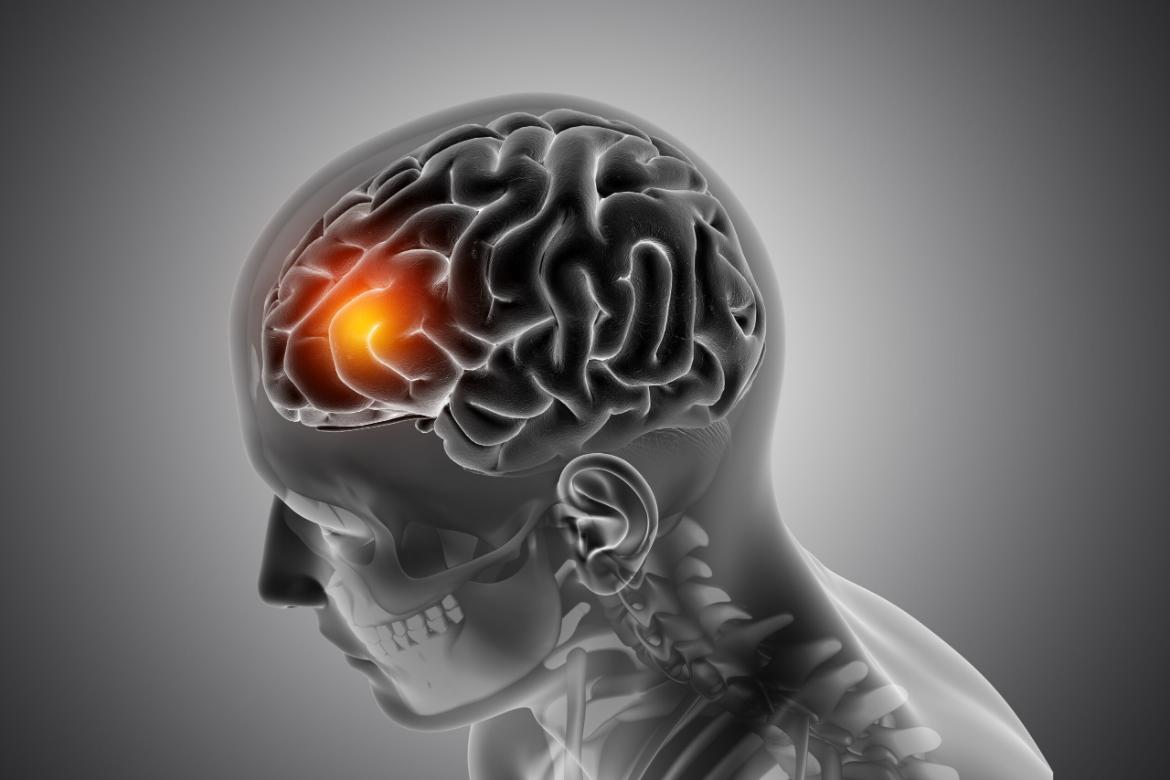
What is a Brain Tumor and How is Surgery Performed?
A brain tumor is a tumor that occurs due to abnormal cell growth in the brain. Brain tumors usually originate from brain tissue and are most often benign (non-cancerous), although some can be malignant (cancerous). Brain tumors are classified differently depending on their symptoms, growth rate, location, and type.
How Do Brain Tumors Form?
Brain tumors occur when cells in the brain grow abnormally. Normally, brain cells are kept under control and only multiply when needed. However, in some cases, these cells lose control and begin to multiply rapidly.
Brain tumors are divided into two main groups: primary brain tumors and metastatic brain tumors. Primary brain tumors are tumors that begin in the brain and arise from brain tissue. Metastatic brain tumors occur when cancer cells that started elsewhere spread to the brain through the bloodstream.
Although the exact causes of brain tumors are unknown, there are certain risk factors. These risk factors include:
- Genetic predisposition: Some families may have a higher risk of developing brain tumors.
- Radiation exposure: Exposure to high levels of radiation can increase the risk of developing a brain tumor.
- Age: Some brain tumors increase in incidence with age.
- Chemical exposure: Exposure to certain chemicals may increase the risk of developing a brain tumor.
- Immune system disorders: Immune system disorders may increase the risk of developing brain tumors.
Brain tumors come in many forms, and their cause depends on the type of cell the tumor originates from. Brain tumors typically originate from brain tissue, and the cause of these tumors is not fully understood.
What Causes Brain Tumors? Who Is More Likely to Have One?
Brain tumors are masses that form as a result of the uncontrolled proliferation of abnormal cells in the brain. While the exact causes of brain tumors are unknown, environmental factors, genetics, and radiation are thought to play a role.
Brain tumors can occur in people of all ages, but they are more common in certain age groups. For example, childhood brain tumors are more common in children and young adults, while the risk of developing a brain tumor increases in older adults.
Additionally, certain genetic syndromes may increase the risk of brain tumors. For example, people with a genetic condition like neurofibromatosis are at higher risk of developing brain tumors.
The Most Common Symptoms of Brain Tumors
- Headache
- Nausea, vomiting
- Visual disturbances (double vision, blurred vision)
- Fainting
- Balance and gait disorders
- Numbness in the arms and legs
- Loss of balance
- Forgetfulness, personality disorders and speech disorders
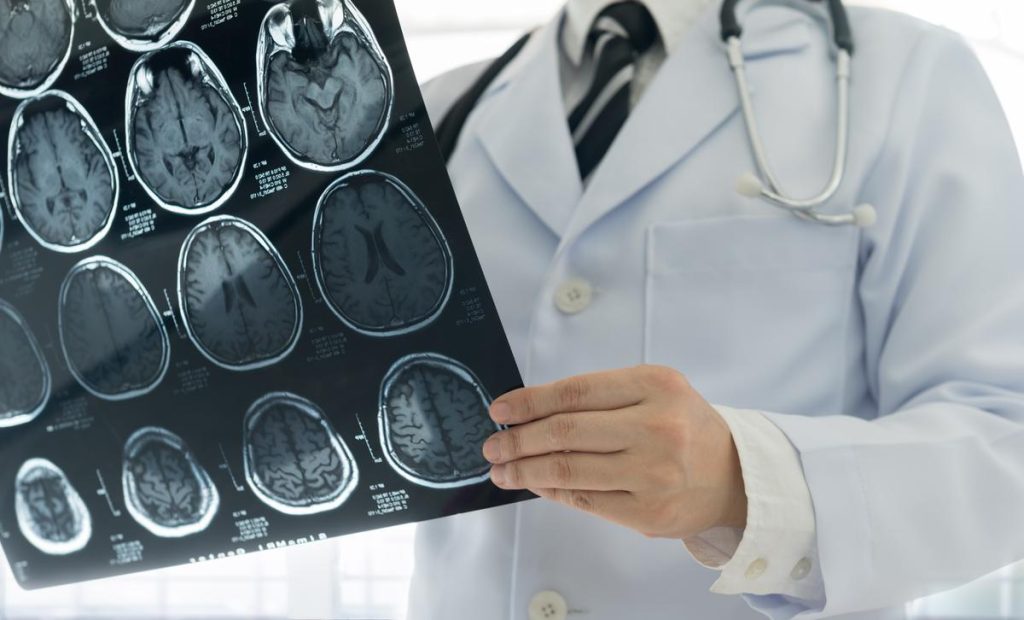
How Is a Brain Tumor Diagnosed?
A series of tests are typically performed to diagnose a brain tumor. Your doctor will recommend appropriate tests based on your symptoms, medical history, and family history. Tests used to diagnose a brain tumor include:
- Neurological exam: This is a physical exam performed to evaluate neurological symptoms related to brain tumors. During the neurological exam, your doctor will evaluate your reflexes, coordination, muscle tone, sensory function, and other neurological symptoms.
- Imaging tests: The most common tests for diagnosing a brain tumor are magnetic resonance imaging (MRI) and computed tomography (CT) scans. These tests show the size, location, and shape of abnormal cells in the brain.
- Biopsy : A biopsy is a procedure in which a piece of tissue is removed to accurately diagnose a brain tumor. A brain tumor biopsy can be performed using various methods, including surgery, needle biopsy, or stereotactic biopsy. After the biopsy , the tissue samples are examined under a microscope to determine the type and characteristics of the tumor.
- Blood tests: Blood tests are not used directly to diagnose a brain tumor, but they are performed to evaluate certain signs of the tumor. Blood tests may be used to detect inflammation caused by the tumor or certain proteins that indicate the spread of the tumor.
A brain tumor is diagnosed by your doctor based on your symptoms, medical history, and test results. Treatment options may vary depending on the type, size, and location of the tumor.
How is Brain Tumor Surgery Performed?
Brain tumor surgery is a surgical procedure that aims to remove abnormal cells from the brain. To perform brain tumor surgery, neurosurgeons first:
- Anesthesia: First, the patient is given general anesthesia, making him/her sleepy and pain-free.
- Craniotomy: A surgeon performs a craniotomy, which involves opening the skull to access the tumor in the brain. A craniotomy gives the surgeon direct access to the brain.
- Tumor detection: The surgeon determines the location and size of the tumor using a microscope. In some cases, imaging tests such as MRI or CT scans may also be used.
- Tumor removal: The surgeon uses specialized instruments to remove the tumor. Depending on its size and location, the tumor may be completely or partially removed. Complete tumor removal is crucial for successful treatment, but in some cases, complete tumor removal may not be possible.
- Closure: The surgeon may use stitches or metal plates to close the craniotomy site. This step helps reduce the risk of infection.
After brain tumor surgery, patients typically stay in the intensive care unit for several days, and complications from neurosurgery can occur. These include cerebral edema, infections, and bleeding. After surgery, patients may receive other treatments such as radiation or chemotherapy.
Most frequently asked questions
What is the Success Rate in Brain Tumor Surgery?
The success rate of brain tumor surgery depends on many factors, including the tumor's location, size, type, and aggressiveness, as well as the patient's lifestyle and overall health. The success rate of brain tumor surgery depends on the complete removal of the tumor, the patient's postoperative complications, and their response to postoperative treatment. Neurosurgeons perform surgery with the goal of removing the tumor as completely as possible. However, complete tumor removal may not always be possible.
The type of tumor can also affect success rates. Some tumors can be more aggressive and difficult to treat, while others are slower-growing and more treatable. Consequently, brain tumor surgery has a relatively high success rate. However, every patient and tumor is unique, so success rates can vary.
Is Brain Tumor Surgery Dangerous?
There is a risk of damage to surrounding brain tissue during the procedure. However, with microsurgical methods, this risk is quite low.
Can a Brain Tumor Cause Paralysis?
The formation of a brain tumor can lead to compression of normal brain tissue, paralysis, speech disorders, seizures, increased intracranial pressure, herniation in the brain, and even death.
What are the Costs of Brain Tumor Surgery?
Brain tumor surgery costs can vary depending on many factors, including the patient's lifestyle and overall health, the location, size, type, and aggressiveness of the tumor, the hospital where the surgery will be performed, and the experience of the surgical team.
In What Age Range Do Brain Tumors Occur?
Brain tumors can occur in almost any age group. Brain tumors vary by age, and are more common in children and those over 60. Benign brain tumors are more common in other age groups.
