


What Causes Heel Crack? How Can It Be Treated?
Heel Crack
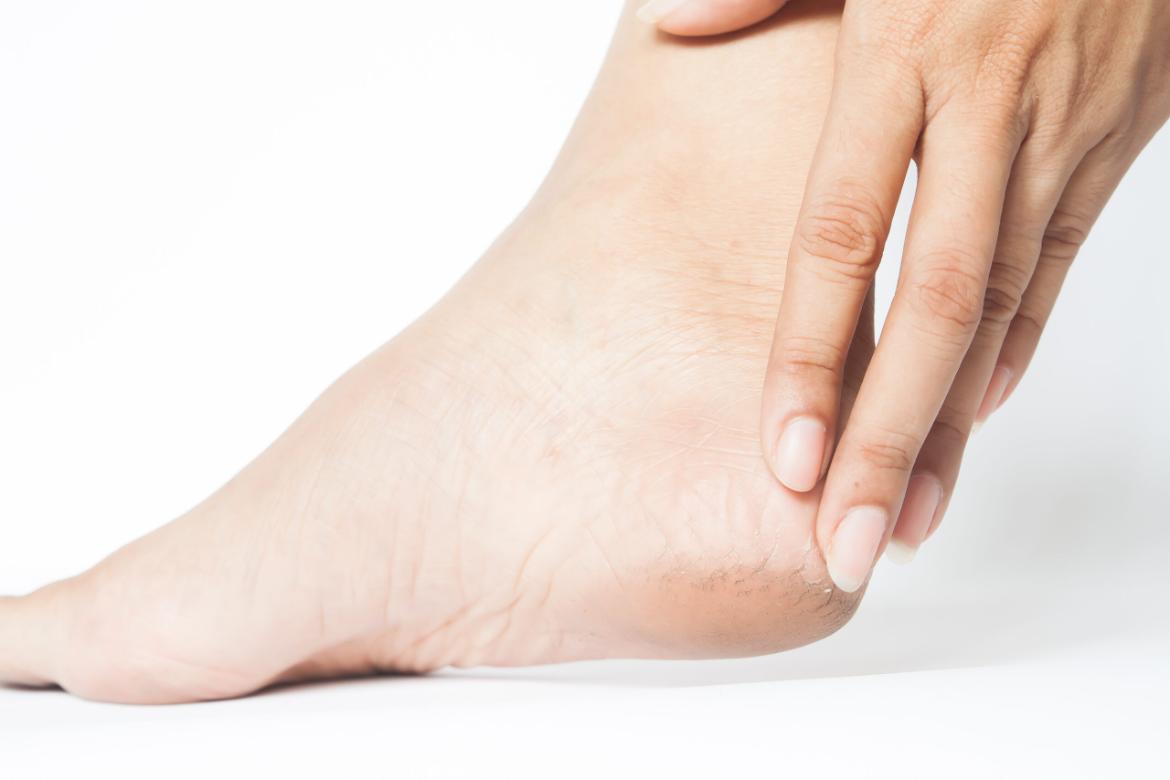
Heel fissures are cracks and splits in the skin around the heel. They typically occur as a result of excessive dryness and hardening of the skin, particularly in the heels. Factors such as constant foot exposure, inadequate moisturizing, walking on hard surfaces, excess weight, improper shoe selection, and prolonged standing can all trigger heel fissures.
What causes heel cracks?
- Dry skin: Especially in dry climates or during the winter months, skin moisture levels can decrease. This can dry out your heels and cause cracks.
- Excessive foot load: People who regularly overload their feet or stand for long periods of time are at increased risk of heel cracks. This uneven distribution of weight on the feet can cause the skin to crack.
- Choosing the wrong shoes: Wearing tight or incorrectly placed shoes can increase the risk of heel cracks. If shoes don't protect your feet from friction or provide adequate support, the skin on your heels can become damaged due to friction and pressure.
- Genetic predisposition: Some people may have a genetic predisposition from birth and be more prone to heel cracks.
- Skin conditions: Certain skin conditions, particularly conditions like eczema or psoriasis, can increase the likelihood of heel cracks.
- Vitamin and mineral deficiencies: Nutrient deficiencies , especially vitamins A, C, E, zinc and omega-3 fatty acids, can prevent healthy skin and lead to heel cracks.
- Aging: As we age, skin quality and moisture levels can decline. This increases the risk of heel cracks in older adults.
To treat and prevent heel cracks, it's important to use moisturizer regularly, choose the right shoes, avoid excessive foot strain, maintain a healthy diet, and maintain good skin care. For chronic or severe cases, consulting a doctor is recommended.
What are the symptoms of heel cracks?
Symptoms of heel cracks are usually visually noticeable. Symptoms that may indicate a heel crack include:
- Skin splits or cracks: Skin splits or cracks may appear in the heel area. These cracks are often deep and can sometimes be painful.
- Dry skin: The area affected by a cracked heel can often appear dry and flaky. The skin may feel hardened or rough.
- Pain or discomfort: Cracks in the skin can cause pain or discomfort when walking or standing. The pain can increase, especially as the cracks deepen and the skin becomes irritated.
- Bleeding: In very deep or severe heel cracks, bleeding may occur. Bleeding usually occurs in the deeper parts of the crack.
- Fungal infection or foot odor: Heel cracks can make the area prone to fungal infections and foot odor. Cracks can provide an environment where fungi or bacteria can easily take hold.
What diseases can heel cracks be a sign of?
Heel cracks are usually caused by dry skin and excessive pressure. However, sometimes heel cracks can be a symptom of an underlying health problem. Some examples of conditions associated with heel cracks include:
- Diabetes: Diabetes is a disease characterized by high blood sugar levels. High blood sugar can cause dry skin, which can contribute to heel cracks. Nerve damage called diabetic neuropathy can also lead to heel cracks.
- Thyroid problems: An irregular thyroid gland can affect the skin's moisture balance. Hypothyroidism (underactive thyroid) can cause dry skin and cracked heels.
- Skin conditions: Certain skin conditions can contribute to the appearance of cracked heels. For example, conditions like eczema and psoriasis can dry out the skin and cause cracks.
- Fungal infections: Fungal infections can cause cracks and skin irritation in the heel area. Fungal infections can trigger heel cracks or worsen existing ones.
- Obesity : Obesity can put extra pressure on the feet due to excess body weight. This can increase the likelihood of heel cracks.
The existence of these conditions means that heel cracks don't have a single cause. While they can be a symptom of these conditions, they can also be caused by more common causes like simple skin dryness and excessive pressure.
Heel crack treatment
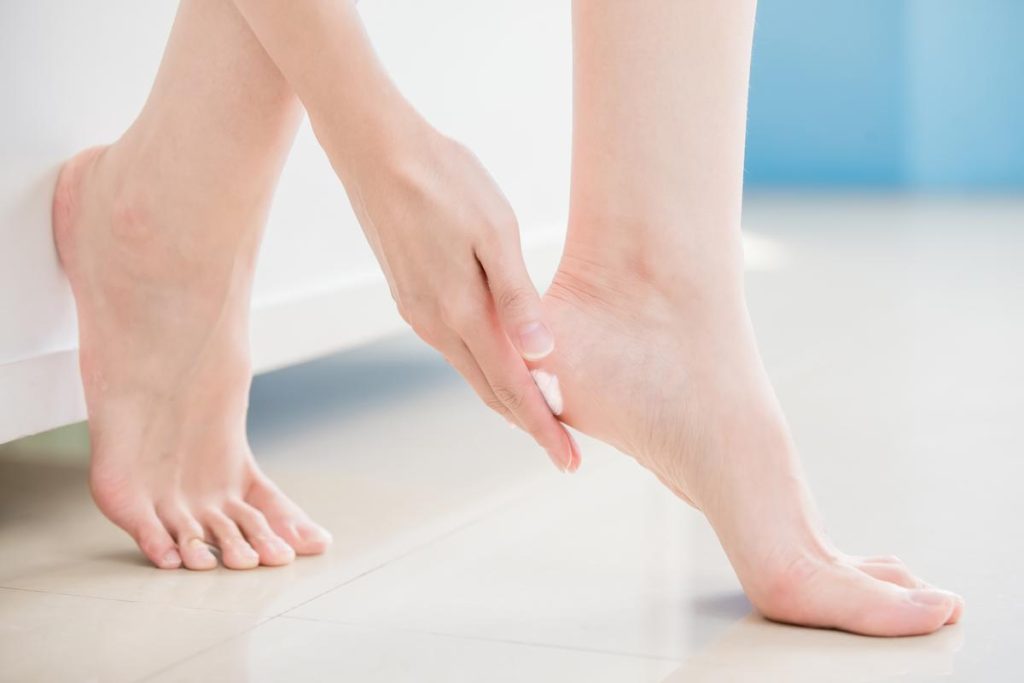
- Moisturizing: The most important step in treating cracked heels is moisturizing the skin. Using a moisturizing cream or lotion daily helps maintain the skin's moisture balance. Choose a rich moisturizer specifically formulated for heels.
- Exfoliation: Regular exfoliation can be beneficial to remove dead skin from your heels. Foot scrubs or homemade exfoliating mixtures made with natural ingredients can be used. Exfoliation removes dead skin, resulting in softer, healthier-looking skin.
- Foot baths: Warm foot baths can provide relief from cracked heels. Adding moisturizers like sea salt or rosemary oil to the bathwater can be helpful. Soaking your feet in the water softens the skin and helps cracks heal.
- Pedicure: A pedicure performed by a qualified podiatrist or foot care specialist can be effective in treating cracked heels. Excess dead skin cells are removed and cracks are smoothed out. However, it's important to perform the pedicure safely.
- Foot creams and oils: Using foot creams and oils can also be helpful in treating cracks. Creams and oils containing urea, salicylic acid, or antifungal agents are especially recommended. These products can help heal cracks while moisturizing the skin.
- Specialized foot care: If you have cracked heels, it's important to choose the right shoes, avoid excessive foot wear, and rest your feet regularly. It's also helpful to use appropriate foot pads or silicone-based products to protect your feet.
What happens if a heel crack is not treated?
If a heel crack is left untreated, some negative consequences can occur. Possible complications of untreated heel cracks include:
- Pain and discomfort: As cracks deepen, you may experience increasing pain and discomfort when walking or standing. This can interfere with your daily activities and reduce your quality of life.
- Bleeding and inflammation: Deep and severe cracks can cause bleeding. Bleeding can increase the risk of infection and lead to inflammation. Infected cracks can be painful and tender.
- Fungal infections : Cracks can create an environment where fungi or bacteria can easily settle. This increases the likelihood of developing fungal infections. Fungal infections can present with symptoms such as itching, burning, redness, and a foul odor.
- Gait disorders: Deep and widespread cracks can affect your walking pattern. You may need to change your normal walking pattern due to pain and discomfort. This can lead to other muscle and joint problems.
- Skin infections: Deep cracks increase the risk of infection. Infected cracks can cause skin redness, swelling, inflammation, and pain. If left untreated, the infection can spread and lead to serious health problems.
- Skin wounds: Deep and severe cracks can develop into skin wounds over time. These wounds can prolong the healing process and lead to serious complications.
Which vitamin deficiency causes heel cracks?
While heel cracks are usually caused by dry skin and excessive pressure, certain vitamin deficiencies can also contribute to cracks. Some vitamin deficiencies that contribute to the development of heel cracks include:
- Vitamin A: Vitamin A plays an important role in healthy skin. A deficiency can increase skin dryness and lead to cracked heels.
- Vitamin C: Vitamin C is essential for collagen production. Collagen is a protein that provides skin elasticity and strength. Vitamin C deficiency can lead to weakened skin tissue and increased susceptibility to stretch marks.
- Vitamin E: Vitamin E moisturizes and protects the skin. A deficiency can lead to dryness and cracking. Additionally, vitamin E has antioxidant properties and protects the skin from free radicals.
- B vitamins: B vitamins are important for maintaining healthy skin. Vitamins B2 (riboflavin), B3 (niacin), and B7 (biotin), in particular, help maintain skin moisture balance and prevent stretch marks.
Vitamin deficiencies alone may not cause cracked heels, but they can affect overall skin health and increase susceptibility to cracks. A balanced diet and adequate vitamin intake from a variety of foods can help maintain healthy skin and prevent cracks.
Herbal solution for heel cracks
- Coconut oil: Coconut oil can be used as a natural moisturizer. Every night before bed, apply coconut oil to your clean feet and put on cotton socks. This will moisturize your skin and help heal cracked heels.
- Aloe vera gel: Aloe vera gel relieves dry skin and promotes healing. Apply aloe vera gel to clean, dry heels and massage it in. Regular use can help heal cracked heels.
- Olive oil: Olive oil moisturizes and nourishes the skin. Apply olive oil to your clean heels, massage, and wear cotton socks. This softens your skin and promotes the healing of cracks.
- Almond oil: Almond oil moisturizes and nourishes your skin. Every night before bed, apply almond oil to your cleansed heels, massage it in, and put on cotton socks. Regular use can help heal cracked heels.
- Papaya: Papaya has skin-regenerating properties. Mash a slice of papaya, apply it to your heels, and leave it on for 15-20 minutes. Then, rinse with warm water and apply a moisturizer. Papaya contains enzymes that promote crack healing.
- Sage oil: Sage oil helps relieve dry skin. Mix a few drops of sage oil with a carrier oil (such as coconut oil) and massage it into your heels. This will moisturize the skin and promote crack healing.
How should shoes be chosen for healthy heels?
- Correct size: It's crucial to choose the right shoe size. Have your feet measured regularly to determine your correct shoe size. Shoes should fit comfortably, not too tight or too loose.
- Comfort: Comfort is crucial for heel health. When you try on shoes, there should be no discomfort, pressure, or rubbing. They should provide good support and allow for freedom of movement.
- Footbed and arch support: The footbed and arch support inside your shoe should properly support your feet. Shoes that don't provide adequate support can cause heel pain and cracks. A padded and supportive footbed and arch should be shaped to fit your feet.
- Soft material: The upper of the shoe should be made of a soft, flexible material. A stiff or tight upper can compress the feet and lead to cracks. Leather or breathable materials help feet breathe and reduce sweating.
- Shoe soles: The soles of shoes should be flexible and non-slip. A flexible sole allows the feet to move naturally, while a non-slip sole ensures safe walking. It's also important that the soles provide adequate support and have shock-absorbing properties.
- Heel height: High heels can cause heel cracks, so choose shoes with lower heels whenever possible. Shoes with heels between 2 and 5 cm provide more natural support for the feet.
