


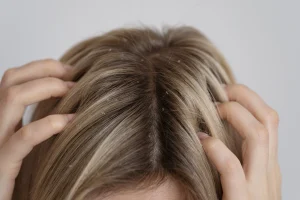
What Causes Head Lice and How to Clean Them?
Head lice, or head lice (Pediculus humanus capitis), are small parasites that infest the human scalp. They typically range in size from 1 to 2 mm, have six legs, and are wingless. These parasites typically cause itching behind the ears and on the nape of the neck. Head lice can spread easily from person to person through close contact. Therefore, it's important to take precautions and begin treatment promptly to combat head lice.
Head lice typically lay their eggs near the hair follicles. These eggs are called "nits" and can be gray, yellowish, or beige. The nits remain firmly attached to the hair and are usually about the size of a grain of sand. Head lice feed by sucking tiny amounts of blood from the scalp, and a lice's lifespan is typically 2-4 weeks.
A female louse can lay 7-10 eggs a day, and this rapid proliferation can spread the head lice problem. Nits hatch into adults in about a week. Their bodies are flat, wingless, and gray-brown in color. Unlike fleas, head lice cannot jump, but their six legs allow them to move easily on hair.
Head lice are often difficult to detect because they are hard to find in hair. They typically lay their eggs on the back of the neck or behind the ears, and the nits cling tightly to the hair near the root. One of the most significant symptoms of these parasites is itching, which begins at the back of the neck. This itching can lead to enlarged lymph nodes around the neck and infections such as eczema.
To resolve head lice, treatment should be initiated immediately. It's possible to get rid of head lice using anti-lice products like special shampoos and lotions. It's also important to prevent the spread of head lice by practicing good personal hygiene and limiting close contact.
Factors That Trigger Head Lice Formation
Head lice are not a spontaneous condition and are not usually associated with a contamination problem. Head lice are typically transmitted through head-to-head contact. These parasites can survive on your head for up to 24 hours, so transmission usually occurs through direct person-to-person contact. Close contact is a significant factor in head lice transmission. Close contact with friends, family members, or neighbors can lead to a head lice infestation.
Head lice are highly contagious and can be easily spread from person to person through close physical contact and through shared personal items such as clothing, hats, hairbrushes, and combs. Head lice can find suitable environments on these items to survive and increase the risk of transmission.
Therefore, in addition to maintaining good personal hygiene, limiting the sharing of personal items is also important in combating head lice. To prevent head lice transmission, avoid sharing clothing, hats, and personal care items with others, and seek treatment immediately, especially if you notice signs of infection.
Head Lice Transmission Routes and Interaction Points
Head lice are crawling parasites that cannot jump or fly. Transmission of these parasites is often associated with crowded spaces or family situations, especially where head-to-head contact is common among children.
Head lice can be transmitted from one person to another through:
- Hats and scarves: The risk of transmission through shared hats or scarves may increase.
- Brushes and combs: Shared brushes and combs carry the risk of head lice contamination.
- Hair accessories: Sharing hair clips, barrettes, or elastics can spread head lice.
- Headphones: Shared headphones can also carry the risk of head lice infection.
- Pillows, towels, and upholstery: Shared pillows, towels, and upholstery can also contribute to the spread of lice.
Indirect transmission is also possible. There is a risk of transmission between personal items such as hats, scarves, shawls, and scarves stored in the same area or stored together.
Importantly, head lice are not transmitted from pets. These parasites are a species specific to humans and should not be associated with pets.
Who is at risk for head lice?
Head lice are more common in young and school-aged children. While the child's hair and the cleanliness of the home are thought to play a role, head lice can affect anyone, regardless of socioeconomic status or level of cleanliness.
The risk of head lice infection may increase in the following situations:
- School environment: Children frequently gather together at school, and the risk of head lice transmission may increase in these environments.
- Close contact: Close contact, such as sitting or standing too close to others or sleeping in the same bed, can increase the risk of contracting head lice.
- Sharing personal items: Sharing personal items such as combs, brushes, hats, or towels can increase the risk of contracting head lice.
It's important to remember that the risk of head lice infection is not related to a person's level of cleanliness. Anyone, regardless of socioeconomic status and level of cleanliness, can contract head lice. Controlling head lice can be achieved by reducing the risk of infection and initiating prompt treatment.
Head Lice Symptoms
Symptoms of head lice infection typically include itching and redness. Common symptoms of head lice infection include:
- Itching: This is the most common symptom. When head lice bite and suck blood, it causes itching. The itching usually begins at the nape of the neck and can spread behind the ears, to the neck, and to the forehead.
- Redness: Flea bites can cause redness on the skin. Scratches or lesions may also appear on the skin as a result of scratching.
- Scars and marks: Excessive scratching can cause scars, scratches, or infected areas on the skin. These areas may become crusty or irritated.
- Nits and lice: Nits, which are head lice eggs, can be seen near the hair root, usually at the nape of the neck or behind the ears. Adult head lice are also visible because they are gray-brown and small in size.
- Insomnia and irritation: Insomnia and general irritation may occur due to intense itching and discomfort.
Symptoms typically appear several weeks after the onset of the infection. However, not everyone experiences the same symptoms when infected with head lice. Some people may not experience itching or notice other symptoms. Furthermore, itching can sometimes occur not when the head lice bite, but rather as a reaction to the bites.
How to understand the presence of head lice?
The following steps can be followed to detect the presence of head lice:
- Itching and discomfort: The most common symptom is itching. When head lice bite and suck blood, itching occurs. This symptom may suggest the presence of head lice.
- Visual inspection: To visually detect the presence of head lice, carefully examine areas such as the hair follicles, the nape of the neck, and behind the ears. Head lice may be small and mobile, but they generally don't move quickly.
- Nits: Head lice lay their eggs in sticky white, yellowish, or gray eggs called nits. These eggs adhere tightly to the hair shaft and can be found at the root of the hair.
- Wetting and combing: Wetting the hair with conditioner or oil and combing it through with a fine-toothed comb can be an effective method for detecting head lice.
- A doctor's examination: In cases of doubt, it's safest to consult a doctor. A doctor can examine the hair follicles to detect lice and nits. A special light source, such as a woodlight, can also help make it easier to see the nits.
Your doctor can use these methods to confirm the presence of head lice and determine appropriate treatment. It's important to see a healthcare professional immediately if head lice are suspected, especially in children.
How to Treat Head Lice?
Treatment for head lice is planned based on the patient's symptoms, age, overall health, and severity of the condition. Head lice treatment may include the following steps:
- Using medicated creams or shampoos: Head lice medications are generally sold over-the-counter and come in a variety of brands. Lice medication is typically applied to the hair, left on for a specific period, and then washed off. Prescription medications, unlike over-the-counter medications, may be recommended by a doctor.
- Using a fine-toothed comb: It's important to remove nits and nits by using a fine-toothed comb on wet hair. This can increase the effectiveness of the treatment.
- Cleaning combs and brushes: It is recommended to wash used combs and brushes with hot water and shampoo for at least 15 minutes.
- Cleaning and disinfection at home: Clothes, bedding and personal items used by the patient should be washed with hot water or kept closed in a plastic bag for 2 weeks.
- Family check: Other family members should also be checked for head lice. If necessary, treatment should be administered.
Children can usually return to school or daycare immediately after treatment. However, it's important to regularly check their hair after treatment and reapply treatment as needed. Following your doctor's instructions and using medications correctly throughout the treatment process will help ensure effective results.
Can Head Lice Be Infected in the Home?
Yes, head lice can infest homes. Head lice can typically survive for short periods outside the human body, but during this time, there's a risk of transmission within the home. Head lice are typically spread through close person-to-person contact, but they can also spread through shared items.
Head lice can be transmitted within the home, particularly through:
- Shared items: Shared combs, brushes, hair clips, hats, and towels can increase the risk of head lice infection.
- Bedding and clothing: Nits, which are head lice eggs, can spread throughout the home through bedding and clothing.
- Furniture and soft surfaces: Head lice can live on soft surfaces such as fabric surfaces, sofas, and headboards, and can be transmitted through these surfaces.
- Toys: Children's shared toys, in particular, can carry the risk of head lice infection.
Head lice are not transmitted from pets and can only live on humans. However, the risk of head lice infestation within the home can be reduced by maintaining good personal hygiene and cleaning shared items. If head lice are detected in a household, treatment and prevention measures should be taken immediately.
Natural Solutions Against Head Lice
Vegetable oils
- Coconut oil: May help suffocate lice by coating the hair.
- Olive oil: After applying to the hair, it can be left for a while and then washed.
- Sunflower oil: Can be effective against lice when applied to the hair.
- Sweet almond oil: When massaged into the hair, it can suffocate lice.
- Castor oil: Applied to the scalp, it can help fight lice.
White vinegar
- Massage the hair with vinegar, then wrap the hair with a towel and wait for 10 minutes.
- Rinse the hair to remove the vinegar smell and then wash it normally.
- This application can be repeated for several days.
Other natural remedies
- Peppermint oil: Can be applied to the hair and may be effective against lice.
- Lemon juice: When applied to the scalp, it can neutralize lice.
- Tea tree oil: Can be used by adding a few drops to shampoo or conditioner.
The effectiveness of these natural remedies may vary from person to person. It's also important to repeat these natural methods for treating head lice regularly. If natural remedies don't resolve your head lice problem, it's important to consult a healthcare professional at a health center and consider appropriate medication.
