


What Causes Dizziness?
What is Dizziness?
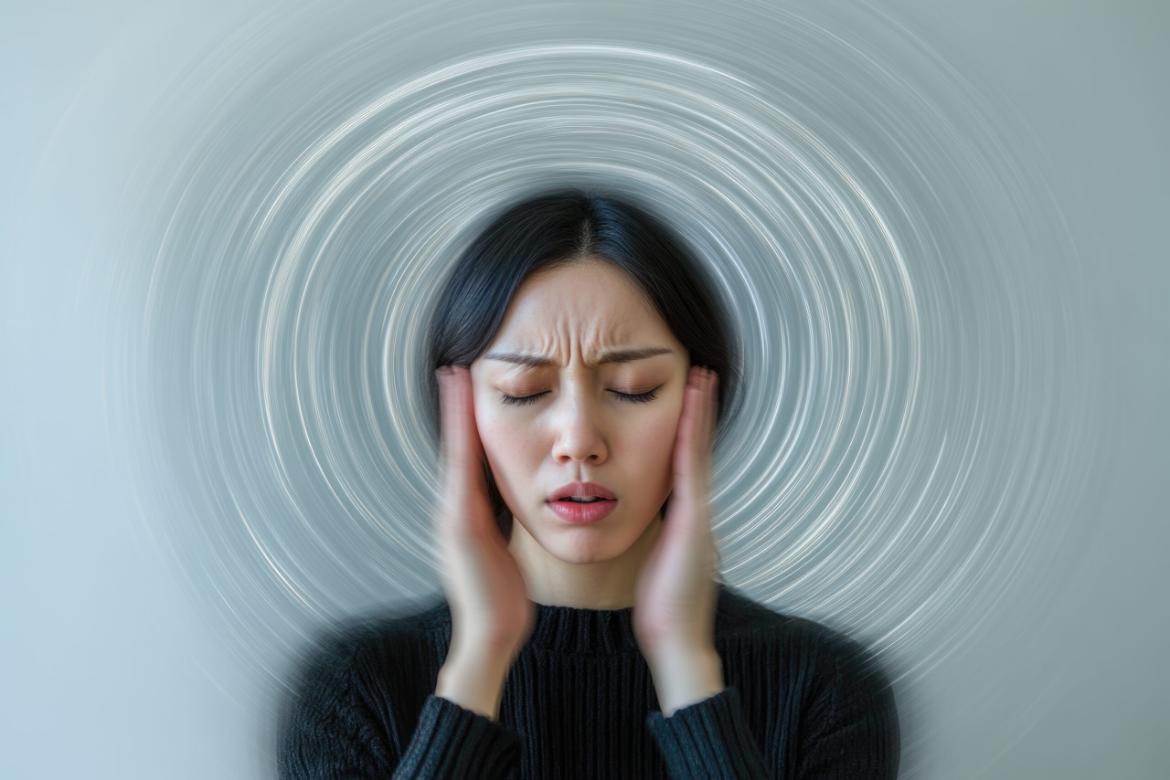
Dizziness is a sensation of spinning around one's surroundings, or a sensation that oneself or one's surroundings are spinning or moving. Dizziness can be caused by a disorder in the balance organs in the inner ear and brain, known as the vestibular system. The vestibular system is the sensory organ responsible for controlling body movement and balance.
What are the Types of Dizziness?
- Vertigo: Vertigo is a type of dizziness that usually results from balance problems in the inner ear. The person feels as if they are spinning or spinning. Vertigo is often associated with conditions such as Meniere's disease, dislocation of inner ear crystals (benign paroxysmal positional vertigo (BPPV)), or vestibular migraine.
- Presyncope: Presyncope is dizziness accompanied by a feeling of lightheadedness or lightheadedness. This type of dizziness can often be caused by sudden drops in blood pressure, heart problems, or neurological problems.
- Dyslexia: Dyslexia is characterized by bouts of dizziness that usually last for extended periods. The person feels constant mild or moderate dizziness. Dyslexia may be associated with conditions such as migraine, anxiety disorder, or stress.
- Psychogenic dizziness: This type of dizziness is caused by psychological factors. Psychological problems such as stress, anxiety, panic attacks, or somatoform disorders can cause dizziness.
- Medication side effects: Some medications can cause side effects such as dizziness. Drugs that affect blood pressure, in particular, can cause this type of dizziness.
There are many different causes, and each individual's situation may be different. Anyone experiencing these symptoms should consult a healthcare professional for a definitive diagnosis and appropriate treatment.
What are the causes of dizziness?
- Inner ear problems: Disorders of the balance organs in the inner ear can cause dizziness. Inner ear problems such as Meniere's disease, benign positional vertigo, and labyrinthitis (an inner ear infection) are common causes of dizziness.
- Vestibular migraine: Dizziness can occur along with migraine headaches. This condition, called vestibular migraine, can cause dizziness and balance problems during a migraine attack.
- Medication side effects: Some medications, especially those that affect intra-ear pressure or balance, can cause dizziness. It's important to monitor the side effects of these medications.
- Anxiety and stress: Intense stress, anxiety, or panic attacks can cause dizziness. The release of stress hormones can disrupt the body's balance, causing a feeling of dizziness.
- Blood pressure problems: High or low blood pressure can affect blood flow to the brain and inner ear, causing dizziness.
- Displacement of inner ear crystals: If calcium carbonate crystals in the inner ear migrate or enter the semicircular canals through the ear, dizziness can occur. This condition is called benign paroxysmal positional vertigo.
- Brain diseases: Diseases of the brain and nervous system, such as brain tumors, stroke, and multiple sclerosis, can cause other symptoms along with dizziness.
These are just a few examples of some causes of dizziness. If you experience dizziness, it's important to see a healthcare professional for an evaluation to determine the underlying cause.
What are the symptoms of dizziness?
Dizziness can manifest differently in different people. However, some common symptoms associated with dizziness may include:
- Sensation of spinning: You may feel like you are spinning around or that the environment is spinning.
- Unsteadiness: You may have difficulty maintaining your balance while standing or moving. You may experience a feeling of instability when walking or standing.
- Nausea and vomiting: Dizziness can often cause nausea and vomiting. This may be related to the balance organs in the inner ear being affected.
- Sweating: Sweating may increase when you experience severe dizziness.
- Vision changes: During dizziness, your vision may become blurry or you may have difficulty focusing. You may also experience a sensation that objects or the surrounding area are shaking.
- Tinnitus: In some cases, ear-related symptoms such as ringing in the ears or hearing loss may also occur along with dizziness.
- Headache: Some cases of dizziness may be accompanied by a headache. Migraine headaches, in particular, may be associated with vestibular migraine.
- Problems focusing: You may have difficulty focusing while experiencing dizziness. You may experience a loss of mental clarity or a feeling of confusion.
These symptoms can present differently for each individual, and other symptoms may also occur along with dizziness. If dizziness is severe or persistent, becomes a recurring problem, or significantly impacts your quality of life, it's important to consult a healthcare professional.

Fight dizziness: 10 practical tips and expert advice
Dizziness is a problem that can occur for many different reasons. Here are some practical tips recommended by experts:
- Hydration: Dehydration can be a cause, so drinking enough water is important.
- Balanced diet: A balanced diet helps your body get the nutrients it needs, which can reduce the risk. Low blood sugar levels, in particular, can cause symptoms, so it's important to eat healthy snacks.
- Manage stress: Stress can be linked to dizziness. You can try methods to reduce stress, such as yoga, meditation, or deep breathing exercises.
- Stand up slowly : Standing up suddenly can trigger dizziness. Moving slowly when getting out of bed or a chair can help balance blood pressure.
- Medication use: If you are using a medication and experience dizziness, it may be beneficial to consult your doctor and consider an alternative medication.
- Limit alcohol and caffeine intake: Alcohol and caffeine can cause dehydration and increase dizziness, so it's important to limit your intake of these beverages.
- Inner ear exercises: Many cases of dizziness are caused by balance problems in the inner ear. Inner ear exercises recommended by physical therapists can help reduce symptoms.
- Eyeglass adjustments : Eye problems can cause dizziness. If you suspect you have vision problems, you can have an eye exam to determine if you need glasses or contact lenses.
- Regular exercise: Regular exercise can strengthen circulation and reduce the risk of dizziness. However, it's important for those experiencing dizziness to consult their doctor before exercising.
- Consult a doctor: This could be a sign of a serious health problem. If it recurs frequently or is accompanied by other symptoms, it's important to consult a doctor. Your doctor will evaluate you to determine the underlying cause and recommend appropriate treatment options.
Note: It is always recommended that anyone experiencing symptoms of dizziness consult a healthcare professional. These tips are for general informational purposes only, and each individual's situation may vary.
What Diseases Can Dizziness Be a Sign of?
- Meniere's disease
- Benign paroxysmal positional vertigo (BPPV)
- Vestibular migraine
- Anxiety and panic disorder
- Vertebrobasilar insufficiency
- Hypotension (Low Blood Pressure)
- Inner Ear Infections
- Inner Ear Tumors
- Iron deficiency
- Some allergies
- Neck-related diseases
- Blows to the head, traumas
How Is Dizziness Diagnosed?
Diagnosing dizziness usually requires a consultation with a healthcare professional, typically an ear, nose, and throat (ENT) specialist or neurologist. The following steps can be followed to diagnose dizziness:
- Medical history and symptom assessment: Your doctor will ask about your dizziness symptoms, how often they've been happening, and other symptoms (such as headaches, ringing in the ears, hearing loss). They'll also consider any past medical conditions, medications, or infections you've had.
- Physical exam: Your doctor may perform a physical exam to evaluate your balance, hearing, and nerve function. This may include eye movement tests, balance tests, and hearing tests.
- Additional tests: Your doctor may order additional tests to determine the underlying cause of your dizziness. These tests may include intra-ear pressure measurements, hearing tests, vestibular tests (e.g., rotational tests, videonystagmography), and imaging tests (e.g., MRI, CT scans).
- Specialist referral: If the underlying cause of your condition isn't identified or requires further evaluation, your doctor may refer you to a specialist. This may include a visit to a neurologist, otolaryngologist, ophthalmologist, or internist.
Diagnosing dizziness is usually done through a combination of symptoms, a physical examination, and necessary tests.
How to Treat Dizziness?
Treatment for dizziness relies on identifying the underlying cause. Treatment may be directed at the specific condition or disorder causing the dizziness. Some common treatments include:
- Medication : Medications used in treatment can help relieve symptoms and control the underlying condition. For example, diuretics used for inner ear problems (such as Meniere's disease) can help reduce dizziness and inner ear pressure. Antiemetics can be used to control nausea and vomiting. Specifically selected medications can also be used for other conditions.
- Vestibular rehabilitation: Vestibular rehabilitation, or balance therapy, is an effective method used to treat dizziness and balance problems. This therapy involves specific exercises, head movements, and balance training to improve the vestibular system and balance. It is administered by a physical therapist or balance specialist.
- Crystal placement maneuvers: In cases of benign positional vertigo (BPV), certain maneuvers can be performed to place inner ear crystals and correct problems in the balance canals. These maneuvers are designed to reposition the inner ear crystals and relieve symptoms.
- Treating underlying health problems: If there's an underlying health problem causing your dizziness (for example, an infection, migraine, or blood pressure problems), that underlying condition needs to be treated. Treating the underlying health problem causing your dizziness may reduce or eliminate your symptoms.
- Managing stress and anxiety: Stress or anxiety can trigger dizziness. Therefore, managing stress and anxiety through stress management techniques, relaxation exercises, breathing techniques, or therapy can help control dizziness.
Treatment for dizziness can vary depending on the severity of symptoms and the underlying condition. A treatment plan is determined after an evaluation by a healthcare professional. It's important to consult a doctor before using any treatment.
What Causes Dizziness During Sudden Movements?
The most common cause of dizziness during sudden movements is the displacement of crystals located in the balance organs of the inner ear. This condition is called benign paroxysmal positional vertigo (BPPV). Small calcium carbonate crystals in the inner ear are normally located in the semicircular canals, which help maintain balance. However, in some cases, these crystals can become displaced, causing false signals to be transmitted to the brain.
Sudden head movements, especially turning the head quickly, bending over, or getting out of bed quickly, can trigger these displaced crystals. This disrupts the normal functioning of the balance organs in the inner ear, causing dizziness.
Symptoms that occur with sudden movements should be evaluated by a doctor to determine the underlying cause. The doctor will conduct the necessary examinations to make an appropriate diagnosis and recommend treatment.
What is Good for Dizziness?
The most appropriate treatment for dizziness is to identify the underlying cause and then treat it accordingly. For someone experiencing symptoms, the following measures and treatments may be generally helpful:
- Rest: It's important to rest and relax when you experience symptoms. Sitting or lying in a comfortable position can help relieve dizziness.
- Hydration : Drinking enough water can help maintain fluid balance in the body and reduce dizziness.
- Position Changes: It's important to avoid sudden changes in position. Standing up or sitting down slowly may reduce symptoms.
- Eye Exercises: In some cases, eye exercises and head movements can help stabilize the balance system in the inner ear. Working with a physical therapist or specialist is recommended for this.
- Medications: Certain medications may be prescribed to relieve or control symptoms of dizziness. These will be prescribed by your doctor.
- Balance Therapy: For balance problems related to the inner ear, such as BPPV, balance therapy or physical therapy such as the Epley maneuver may be used. This can help settle the crystals in the inner ear.
- Treating the underlying cause: If there is an underlying health problem causing the dizziness (for example, infection, migraine, anxiety), treating that problem may reduce symptoms.
What Should You Eat and Drink When You Feel Dizziness?
Here are some suggestions that can be consumed during dizziness:
- Water: It's important to maintain fluid balance in the body. Drinking plenty of water helps keep you hydrated and can reduce dizziness.
- Fresh fruits and vegetables: Consuming fruits and vegetables rich in antioxidants and vitamins supports overall health and may reduce factors that contribute to dizziness.
- High-fiber foods: High-fiber foods help regulate the digestive system and stabilize blood sugar. This can reduce dizziness. Choose fiber-rich foods like whole grains, vegetables, fruits, and legumes.
- Ginger: Ginger may reduce nausea and alleviate symptoms. Chewing fresh ginger slices or drinking ginger tea may be helpful.
- Saltine crackers : Some cases of dizziness can be caused by a lack of salt or low blood pressure. Consuming lightly salted snacks like saltine crackers or pretzels can help balance salt levels.
- Vitamin B6: Some types of dizziness may be linked to a vitamin B6 deficiency. Foods rich in vitamin B6 include bananas, avocados, almonds, spinach, and chicken.
- Beverages: Herbal teas, especially those with a calming effect like peppermint, fennel, or ginger tea, can help relieve dizziness. It's also important to take small sips of water or consume sports drinks containing electrolytes if you're at risk of vomiting due to discomfort.
