


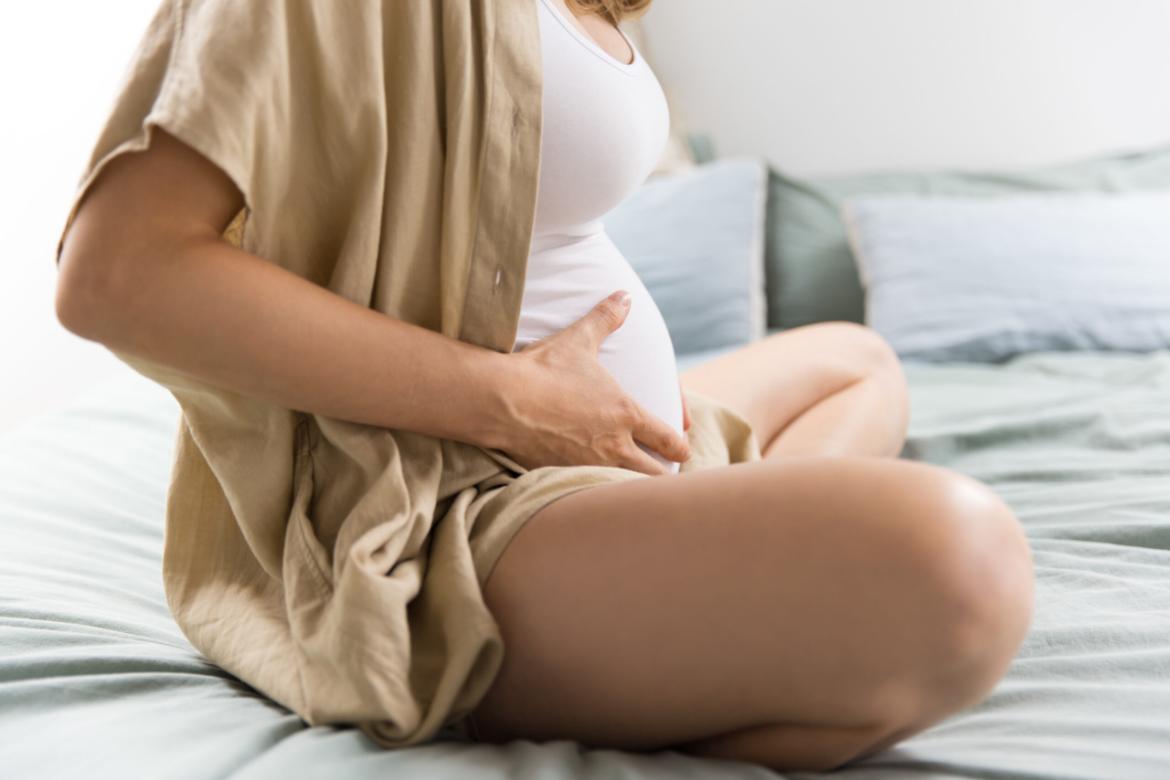
What Causes Abdominal Pain During Pregnancy? What Is Good For It?
Abdominal pain during pregnancy is generally a normal part of pregnancy and is associated with the growth of the uterus and the stretching of the round ligaments. The expanding uterus and the stretching of the ligaments can cause mild pain or cramping in the abdominal area. These pains are usually short-lived and not severe. However, the causes of abdominal pain can vary and, in some cases, can be a symptom of a more serious problem. Therefore, abdominal pain during pregnancy should be monitored carefully and, if in doubt, consult a doctor.
While abdominal pain can be a normal part of pregnancy, it can also be a sign of a more serious condition. If you experience additional symptoms, especially severe, persistent, or bleeding pain, high fever, vaginal bleeding, difficulty breathing, or pain or burning during urination, you should definitely consult your doctor. Additionally, symptoms such as decreased or stopped fetal movements should also be taken seriously and may require immediate medical attention.
Abdominal pain during pregnancy can be considered normal, but it's important to consult a doctor if you experience any symptoms or concerns. You should always stay in touch with your doctor about any pain or discomfort during pregnancy. Early diagnosis and appropriate treatment will increase your chances of having a healthy pregnancy.
What Causes Abdominal Pain During Pregnancy?
Abdominal pain during pregnancy can occur for a variety of reasons. Pregnancy causes many changes in the body, and these changes can sometimes cause pain. Common causes of abdominal pain during pregnancy include:
- Uterine enlargement: As pregnancy progresses, the uterus gradually grows and can press on other organs in the abdomen, causing abdominal pain.
- Ligament strains: As the uterus grows, the ligaments and ligaments that support the uterus can stretch, causing pain. This pain is usually felt in the side or groin area.
- Digestive issues: During pregnancy, hormonal changes and uterine growth can slow down the digestive system and cause problems like constipation, which can lead to abdominal pain.
- Stretching of the rotundum ligament: Stretching or stretching of the rotundum ligament, the ligament at the bottom of the uterus, can cause mild abdominal pain in some women.
- Strain of the saccular ligament: Strain of the saccular ligament, which is the connection between the uterus and the pelvis, can cause pain in the abdominal area.
- Braxton Hicks contractions: As pregnancy progresses, you may experience Braxton Hicks contractions, which are irregular, mild contractions. These contractions can cause mild abdominal pain in some women.
- Cervical changes: As pregnancy progresses, the cervix begins to soften and prepare. These changes can cause mild abdominal pain in some women.
As an important note, severe, persistent, or bleeding abdominal pain during pregnancy should always be evaluated by a doctor. These symptoms can be a sign of a serious condition and require immediate medical attention. Therefore, it's important to contact your doctor if you experience any pain or other concerning symptoms during pregnancy.
Serious Causes of Abdominal Pain During Pregnancy
In some cases, abdominal pain during pregnancy can be a sign of a serious problem and requires immediate medical attention. Serious causes of abdominal pain during pregnancy may include:
- Ectopic pregnancy: An ectopic pregnancy occurs when a fertilized egg implants outside the uterus (usually in the fallopian tubes) instead of inside the uterus. This can cause severe abdominal pain and bleeding and requires immediate medical attention.
- Ectopic pregnancy: This occurs outside the uterus, outside of the normal intrauterine pregnancy. This can cause abdominal pain and serious complications.
- Placenta previa: A condition called placenta previa occurs when the placenta implants close to the uterine wall or above the cervix. In this case, the placenta covers the cervix and can cause bleeding and abdominal pain.
- Placental abruption: When the placenta separates prematurely from the uterine wall, a condition called placental abruption occurs. This can cause severe abdominal pain and bleeding and requires immediate medical attention.
- Risk of premature labor: Early uterine contractions or cervical changes can increase the risk of premature labor and cause abdominal pain.
- Preeclampsia: Preeclampsia is a pregnancy complication characterized by symptoms such as high blood pressure and proteinuria (protein in the urine). This condition can cause abdominal pain and other serious health problems.
- Appendicitis : During pregnancy, other non-obstetric problems such as appendicitis (inflammation of the appendix) can also cause abdominal pain and require emergency surgery.
- Urinary tract infection: Urinary tract infections may be more common during pregnancy and can cause pain in the lower abdomen.
Any severe, persistent, or bleeding abdominal pain during pregnancy could be a sign of a serious problem and should be seen by a doctor immediately. Women experiencing abdominal pain during pregnancy should consult a healthcare professional immediately if they experience any symptoms or concerns and seek medical attention.
How to Relieve Abdominal Pain During Pregnancy, 10 Recommendations for What's Good
The following are methods for relieving and alleviating abdominal pain during pregnancy . However, abdominal pain during pregnancy can be a sign of a serious problem, so it's important to consult a doctor if you experience severe or concerning pain:
- Rest and sleep: Adequate sleep and rest are important when your body needs rest and sleep. Sleeping on your side can be more comfortable, especially as your pregnancy progresses, to keep your sleeping position comfortable.
- Warm compress: For mild abdominal pain or muscle strains, a warm compress applied with a hot water bag or hot towel can provide relief.
- Cold compress: For pain associated with swelling or inflammation, you can apply a cold compress. Apply an ice pack wrapped in a thin cloth to the painful area for 10-15 minutes. However, be careful not to place the ice pack directly on the skin to avoid direct contact.
- Hot shower: A hot shower can relax muscles and relieve tension in the body.
- Hydration: Drinking enough water can help prevent conditions like urinary tract infections and constipation.
- Healthy diet: A healthy and balanced diet can help the digestive system function properly.
- Light exercise: With your doctor's approval, light exercise can strengthen and stretch muscles.
- Wear comfortable clothes: Avoid putting pressure on the abdominal area by wearing loose and comfortable clothes.
- Don't delay your need to go to the toilet: Delaying urination and bowel movements can cause pain and discomfort. Go on time without delaying your need to go to the toilet.
- Stress management: Avoiding stress during pregnancy and practicing relaxation techniques can reduce pain.
If your abdominal pain is severe or persistent, it's important to consult a doctor. Your doctor will determine the cause of your pain and recommend the appropriate treatment. You should also consult your doctor about any medications or treatments you're currently using.
When Should You Worry About Abdominal Pain During Pregnancy?
Abdominal pain during pregnancy can occur for a variety of reasons and is generally normal. However, in some cases, abdominal pain can be a symptom of a serious problem and can be alarming. Below are some situations when you should be concerned about abdominal pain during pregnancy :
- Severe pain: If abdominal pain is very severe and unbearable, it may require immediate medical attention.
- Persistent pain: If abdominal pain persists and does not improve with rest or sleep, it is important to consult your doctor.
- Pain with bleeding: If there is vaginal bleeding along with abdominal pain, this could be a sign of a serious problem and requires immediate medical attention.
- High fever: If you have a high fever with abdominal pain, this could indicate an infection or other serious health problem, and you may need to see your doctor.
- Difficulty breathing: If you have difficulty breathing with abdominal pain, chest pain, or shortness of breath, this may require emergency medical attention.
- Pain while urinating: If you experience pain or a burning sensation while urinating along with abdominal pain, you may have a urinary tract infection and it is important to consult your doctor.
- Decrease in baby movements: If there is a significant decrease or cessation of baby movements along with abdominal pain, it is important to contact your doctor immediately.
- Severe headache or vision problems: If you have a severe headache along with abdominal pain, vision problems, or swelling in your hands and face, this could be a sign of a serious pregnancy complication called preeclampsia and requires immediate medical attention.
If you experience any of the above symptoms, you should consult your doctor immediately. It's important to consult a doctor for any pain or concerns during pregnancy. Early diagnosis and appropriate treatment can prevent serious complications.
Risk Situations of Abdominal Pain During Pregnancy
Some risk conditions that can cause abdominal pain during pregnancy are:
Low Risk
It's a condition that can occur in the early stages of pregnancy and manifests with symptoms such as severe abdominal pain, cramping, bleeding, and vaginal discharge. In this case, it's important for expectant mothers to avoid stress, rest, and stay under medical supervision.
Preeclampsia (Pregnancy Toxicology)
It's a condition that occurs alongside high blood pressure during pregnancy. Symptoms include abdominal pain, vomiting, and nausea. It's particularly common after the 20th week. This condition can be serious, and regular checkups are important.
Ectopic Pregnancy
It occurs when a fertilized egg implants outside the uterus, usually in the fallopian tubes. Symptoms include severe abdominal pain and bleeding. This can be a serious health problem and requires medical attention.
Urinary Tract Infection
Infections, which manifest with symptoms such as pain or burning during urination, can cause abdominal pain during pregnancy . This condition is treated with antibiotics, and it's important to drink plenty of fluids.
Placental Abruption
Placental separation from the uterus can manifest with symptoms such as severe abdominal pain, back pain, and bleeding. This can lead to a risk of serious bleeding and may require immediate medical attention. Each of these conditions is a potentially risky condition that can arise during pregnancy. If in doubt or experiencing any discomfort, consult a healthcare professional and receive the necessary checkups.
When Is Abdominal Pain Dangerous During Pregnancy?
In some cases, abdominal pain during pregnancy may be a sign of a serious problem and may require consultation with a specialist:
- Severe pain during the night: Feeling severe and unbearable abdominal pain, especially when lying down or at rest, can be alarming.
- Painful urination: Burning, stinging, or pain while urinating may indicate a urinary tract infection or other urinary tract disorders.
- High fever: A sudden rise in fever can be a sign of infection. A doctor should be consulted, especially if the fever is 38°C or higher.
- Persistent back pain: Severe back pain, pelvic pain, or lower back pain that persists along with abdominal pain may be a sign of a serious condition.
- Vomiting, diarrhea, and heartburn along with abdominal pain: Vomiting, diarrhea, heartburn, and nausea along with abdominal pain may be a sign of gastrointestinal problems or another complication.
- Redness and swelling accompanied by abdominal pain: Redness, swelling or tenderness accompanying pain in the abdominal area may be a sign of a serious problem.
- Blurred vision: Blurred vision can be a sign of serious problems during pregnancy, such as high blood pressure or preeclampsia.
- Decrease in baby's movements after the 1st week: If a significant decrease in the baby's normal movements is noticed in the later stages of pregnancy, this may be serious and a doctor should be consulted.
- Recurring headaches: Frequent and severe headaches should not be ignored and a specialist should be consulted.
- Abnormal vaginal discharge: Vaginal discharge that is smelly, itchy, or looks abnormal could be a sign of an infection or other health problem.
These symptoms could be a sign of a serious pregnancy problem. In this case, it's important to consult a doctor and seek appropriate treatment. If you have any concerns or concerns, consult a healthcare professional.
