


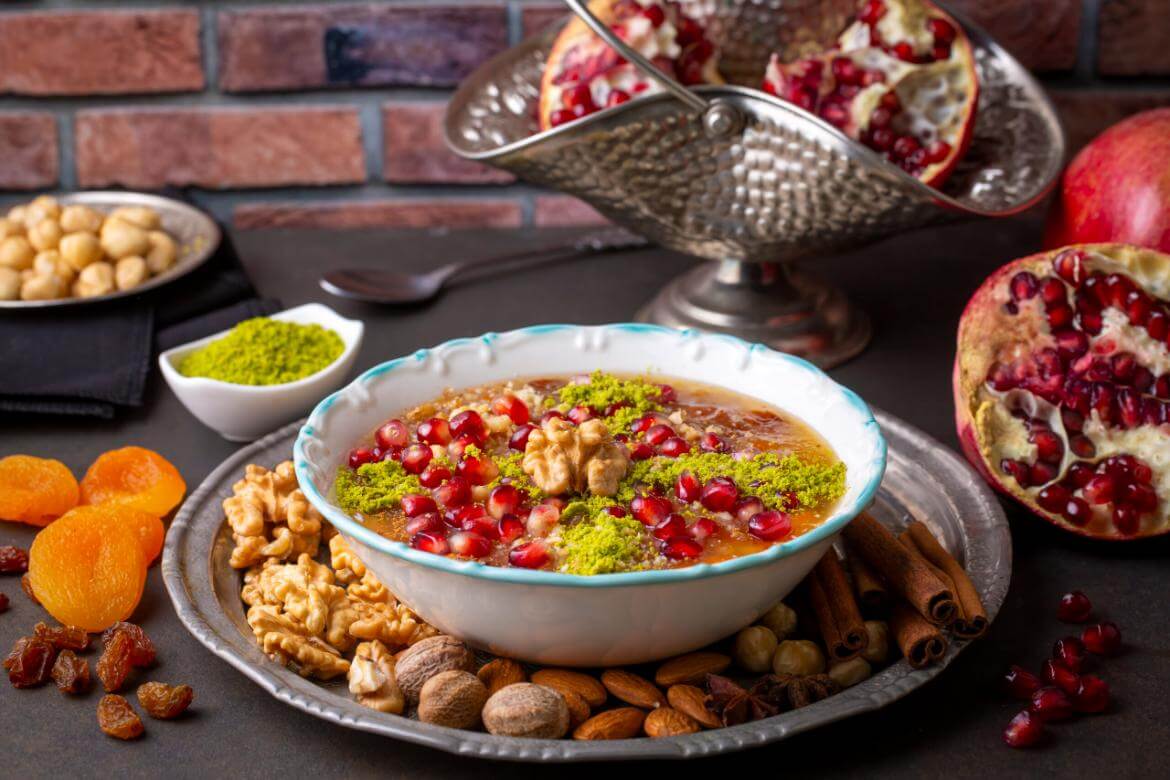
What are the benefits of Ashura? How is it made?
Benefits of Ashura
Ashura is a traditional dessert that has been around for centuries. It's a delicious dessert made by combining wheat, chickpeas, beans, dried fruits, and nuts. Made on specific dates each year, Ashura is cooked and distributed for a month, particularly after the 10th day of Muharram according to the Islamic calendar, creating the "Ashura tradition." For this reason, Muharram is also known as the "month of Ashura."
The Ashura tradition may vary across different geographies and social segments in terms of its purpose, dates, and ingredients. In some regions, Ashura holds special significance, particularly on the Day of Ashura, the 10th of Muharram, and is made and distributed among neighbors and relatives on this occasion. Ashura also reinforces the spirit of cooperation, solidarity, and sharing.
The main ingredients of Ashura—wheat, chickpeas, beans, dried fruits, and nuts—are considered symbols of abundance and prosperity. The careful selection and meticulous cooking of each ingredient in Ashura's preparation creates its traditional flavor. The harmonious combination of these diverse ingredients creates a uniquely delicious dessert.
The Ashura tradition is a valuable legacy passed down from generation to generation, reinforcing the unity and solidarity of societies. With the arrival of Muharram, families and neighbors gather to cook Ashura and share it with loved ones. This tradition reflects the mutual respect and tolerance of different cultures, while also bringing happiness and peace.
What is the Nutritional Content of Ashura?
The nutritional content of aşure is quite rich and nutritious due to the variety of ingredients it contains. When the main ingredients—wheat, chickpeas, dried beans, dried fruits, and nuts—are combined, the nutritional value of aşure increases. However, the ingredients and amounts in aşure may vary. In general, the nutritional content of aşure can be as follows:
- Carbohydrates: Ashura's primary carbohydrate source is wheat and other grains. These carbohydrates provide an important source of energy for the body.
- Protein: Legumes like chickpeas and beans add a high amount of protein to the dish. Protein is essential for the construction and repair of cells in the body.
- Fiber: Dried fruits and grains like wheat, found in Ashura, are rich in fiber. Fiber is important for digestive health and can help with weight control by promoting a feeling of fullness.
- Fats: Nuts add healthy fats to the soup. Nuts like hazelnuts, walnuts, and almonds are especially rich in unsaturated fatty acids, which are beneficial for heart health.
- Vitamins: Dried fruits provide a variety of vitamins to Ashura. For example, raisins and dried apricots are rich in vitamin A, dried figs and dried apricots are rich in vitamin B, and prunes are rich in vitamin C.
- Minerals: The ingredients in Ashura contain a variety of minerals. Legumes are particularly rich in minerals like iron and magnesium.
Ashura is a dessert that combines many different nutrients thanks to its diverse nutritional content. However, the nutritional value of ashura can vary depending on the ingredients and preparation method. Therefore, carefully managing ingredients and portion sizes when preparing and consuming ashura is important to maximize its nutritional value. It's also a healthy approach to pay attention to the amount of sugar in ashura and avoid excessive consumption.
What is the Nutritional Value of Ashura?
The nutritional value of Ashura varies depending on the ingredients and preparation method. However, in general, the basic nutritional values of Ashura are as follows (based on an approximate 100-gram serving):
- Energy: average 100-150 kcal
- Protein: approximately 3-5 grams
- Fat: approximately 2-4 grams
- Carbohydrate: approximately 20-25 grams
- Fiber: approximately 3-5 grams
- Sugar: average 5-10 grams
- Calcium: average 10-50 mg
- Iron: approximately 1-2 mg
- Potassium: average 100-200 mg
- Vitamin A: average 10-100 IU
- Vitamin C: approximately 1-5 mg
These values are approximate, as the ingredients and quantities in Ashura may vary. Ashura is a dessert rich in nutrients, including dried fruits, legumes, grains, and nuts. Therefore, these nutritional values can make a significant contribution to your daily diet.
However, considering its sugar content, aşure is a dessert that should be consumed in moderation. To prepare aşure healthily, it's helpful to control the amount of sugar and, if possible, use natural sweeteners. It's also important to remember that the nuts in aşure are high in calories and fat, and to maintain portion control.
What are the benefits of Ashura?
Ashura offers various health benefits thanks to the different nutrients it contains. The health benefits of Ashura include:
- Cardiovascular health: The grains, legumes, and nuts found in Ashura contain high amounts of dietary fiber. This fiber can help balance blood cholesterol levels and support cardiovascular health. Additionally, the antioxidants in dried fruits and nuts may protect heart health by reducing oxidative stress.
- Immune system: Vitamins A, C, and E found in ashura act as antioxidants. These vitamins support the immune system by fighting free radicals in the body. Nutrients like omega-3s, zinc, and iron also have anti-inflammatory effects.
- Eye health: Foods like dried apricots and dried figs in Ashura contain vitamin A. This vitamin helps maintain normal vision and supports eye health.
- Bone health: Minerals like calcium, magnesium, and phosphorus in ashura are important for bone health. These minerals may reduce the risk of osteoporosis by supporting bone development.
- Brain development : The omega-3 fatty acid DHA and carbohydrates in ashura support normal brain function. For pregnant and breastfeeding women in particular, DHA intake may contribute to normal brain development in the fetus and breastfed infants.
Ashura, a dessert combining these various nutrients, offers health benefits. However, it's important to avoid excessive consumption and incorporate it into a balanced diet. Using each ingredient in moderation helps reap the health benefits of Ashura more effectively.
How to Make Ashura?
Ashure is a traditional Turkish dessert made with various grains, legumes, dried fruits, and nuts. Ashure recipe:
Materials:
- 1 cup wheat (soaked in water overnight)
- 1 cup chickpeas (soaked in water overnight)
- 1 cup of dried beans (soaked in water overnight)
- 1 cup of raisins
- 1 cup dried apricots (chopped)
- 1 cup dried figs (chopped)
- 1 cup prunes (chopped)
- 1 cup seedless raisins
- 1 glass of hot water
- 1 cup sugar (optional, to sweeten)
- 1 cup of dried nuts (walnuts, hazelnuts, almonds, etc.)
- 1 teaspoon of cinnamon
- 1/2 teaspoon cardamom powder (optional, for flavor)
- 8 glasses of water
- 1 cup milk (optional, for a creamier taste)
Preparation:
- Wash and drain the wheat, chickpeas and beans that you have soaked overnight.
- Place the drained wheat, chickpeas, and beans in separate pots and add enough water to cover them. Cook separately. Boil the chickpeas and beans in a pot with 1 cup of water, and the wheat in 3 cups of water. Since you're cooking them in separate pots, you can adjust the cooking times. Drain the cooked wheat, chickpeas, and beans.
- Add the apricots, figs, plums, and raisins to 1 cup of hot water and let them sit for about 15 minutes. The fruit will soften during this time.
- In a large pot, add the boiled wheat, chickpeas, and dried beans. Add the drained dried fruit and stir.
- If you'd like to sweeten the dessert, you can add sugar. After adding the sugar and mixing, add the cinnamon and ground cardamom. Mix.
- Cook the aşure until it boils and thickens. It's important to stir constantly, as the aşure may stick to the bottom.
- Once it reaches the consistency of Ashure, remove it from the heat. If you prefer a creamier dessert, add milk and stir.
- Finally, add the nuts and mix.
- Your Ashure is ready! You can garnish it with cinnamon and crushed hazelnuts/almonds when serving.
Enjoy your meal!
What are the Side Effects of Ashura?
Ashura, with its various nutrients, may have health benefits. However, it also has some side effects and points to be aware of:
- High calorie and sugar content: Ashura can be high in calories due to its ingredients. Furthermore, the amount of sugar added, combined with the dried fruits and nuts that make the dessert more nutritious, can lead to a high total sugar content. Therefore, excessive consumption can lead to weight gain or blood sugar imbalances.
- Gas and bloating: Ashura, due to its legume and fibrous ingredients, can cause gas and bloating in some people. This effect is particularly noticeable in those who cannot digest legumes well or have sensitive digestive systems.
- Allergic reactions: Dried fruits and nuts used in Ashura can cause allergic reactions in some people. Nuts, especially hazelnuts, walnuts, or almonds, can cause allergic symptoms such as skin rash, itching, or shortness of breath.
- Salt content: Ashura contains salt due to the natural salts found in the ingredients and milk used in the dish. It's important to control salt intake, as excessive salt consumption can lead to high blood pressure and other health problems.
- Insulin resistance : Ashura, due to its high carbohydrate and sugar content, can increase insulin levels. For people with insulin resistance, consuming ashura can make it harder to control blood sugar.
- Diabetes and diet management: Due to the sugar content of Ashura, portion control is important for diabetics. It's important to monitor blood sugar levels and prepare Ashura in accordance with the diabetic diet.
Overall, Ashura is a healthy dessert and offers many nutritional benefits. However, because everyone's health and eating habits are different, it's important to be mindful of high calorie or sugar content and to be mindful of allergies.
Does Ashura Make You Gain Weight?
Yes, aşure is a high-calorie dessert and can contribute to weight gain if consumed excessively. Ingredients in aşure include wheat, chickpeas, dried beans, dried fruits, and nuts. While these ingredients are fibrous and nutritious, they can also be energy-dense and contain sugar.
Weight gain occurs when calories consumed exceed calories expended. If you consume a meal that contains more calories than your daily energy needs, these excess calories can be stored as fat in the body and lead to weight gain.
It's important to be mindful and maintain portion control when consuming Ashura. While it's a nutritious dessert, it's better to consume it in moderation, in moderate portions, rather than in excessive amounts, for weight management. Additionally, consuming Ashura with other foods to balance your diet and increasing physical activity can also help with weight management.
