


Water Flower
Chickenpox is a viral infectious disease that occurs in humans. Chickenpox, an infection that usually occurs in children, is spread by a virus called Varicella zoster virus (VZV).
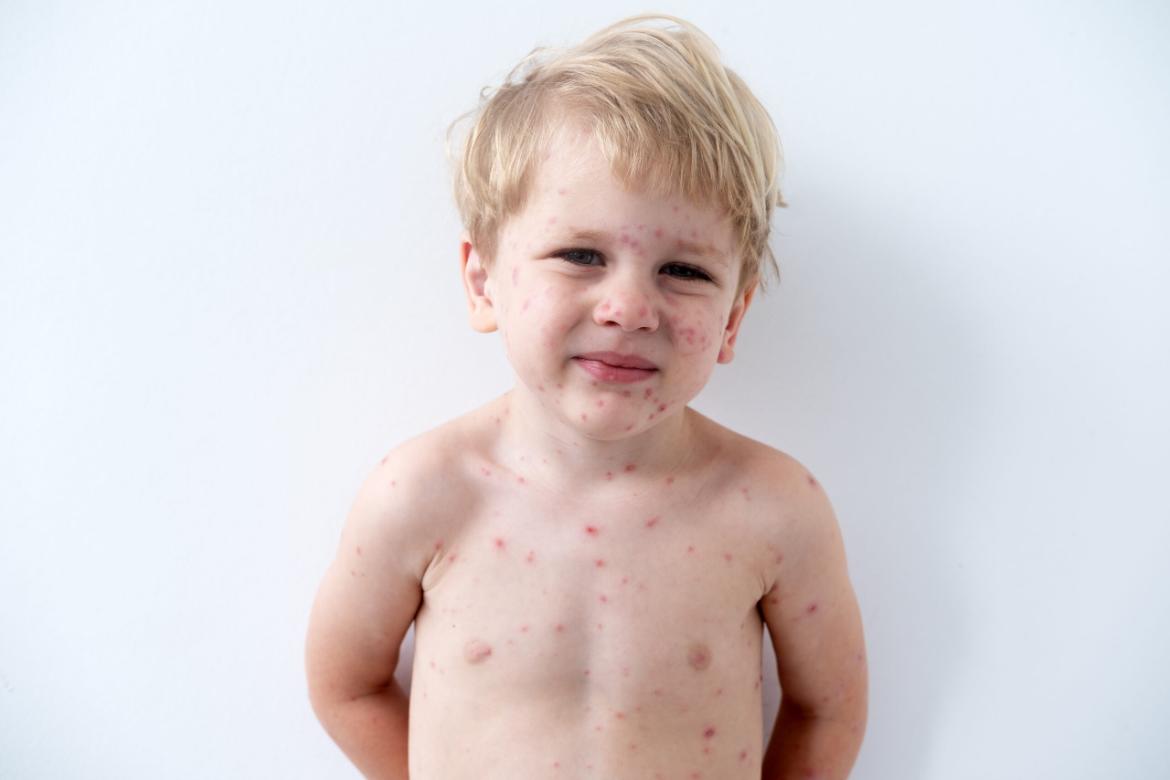
Symptoms include fever, an itchy red rash, blisters, and fluid-filled vesicles. Vesicles typically appear on the face, trunk, and extremities, but can also occasionally appear in the mouth, nose, and genital area.
Chickenpox usually resolves spontaneously and may have mild symptoms, but it can sometimes cause serious complications. More serious complications can occur, especially in people with weakened immune systems or pregnant women. A vaccine against chickenpox is available and is recommended to prevent widespread infection.
How is Chickenpox Transmitted?
Chickenpox is a contagious disease caused by a virus called Varicella zoster virus. This virus can spread through the air or by direct contact when infected people sneeze, cough, talk, or touch surfaces contaminated with the virus. The contagious period can begin several days before symptoms appear and continue until symptoms are completely gone. A person with chickenpox can spread the infection to others. The disease is particularly common among children, who often become infected by being near infected people or touching an infected object.
What are the symptoms of chickenpox?
Chickenpox symptoms can vary depending on the strength of the infected person's immune system and the severity of the illness. Some people experience mild symptoms, while others experience more severe symptoms. The most common symptoms include:
- Fever: A mild fever may occur at the beginning of the disease.
- Red rashes: Red, raised rashes appear on the skin.
- Blisters: The rash later turns into blisters.
- Itching: The itching of the blisters can be uncomfortable.
- Headache: It is observed that patients may experience headaches.
- Weakness: Weakness may occur in the later stages of the disease.
Symptoms usually appear 1 to 2 weeks after infection, and the infected person remains contagious until symptoms resolve completely. Serious complications of chickenpox can include deepening of the infection, lung infections, brain infections, pneumonia, and hemorrhagic disease.
How Is Chickenpox Diagnosed?
Diagnosis of chickenpox is based on the patient's symptoms and physical examination findings. A doctor can diagnose chickenpox by examining the characteristic appearance of rashes, blisters, and vesicles.
In some cases, doctors may order blood tests or viral cultures to diagnose chickenpox. Blood tests can be used to detect the presence of antibodies, while viral cultures are used to monitor the growth of VZV in patient samples.
Chickenpox usually doesn't require a medical diagnosis. However, sometimes chickenpox symptoms can be confused with other skin problems or infections. In these cases, your doctor may perform additional tests to rule out other possible diagnoses.
How Is Chickenpox Treated?
Treatment for chickenpox involves measures to relieve symptoms and cure the infection. Chickenpox usually resolves on its own, and patients are advised to manage their symptoms with appropriate measures at home. Conditions that may help relieve chickenpox symptoms include:
- Using antihistamine medications to relieve itching
- Covering the areas that cause itching to prevent the blisters from becoming infected
- Using painkillers such as paracetamol or ibuprofen to relieve pain
- Wearing cotton clothing to help dry watery rashes
- Drinking plenty of fluids
- Using a cool bath or moisturizing lotion to relieve itching
Antiviral medications can be used to treat chickenpox. However, these medications are generally only recommended for severe cases or high-risk patients.
In some cases, vaccination or immunoglobulin therapy may be used to prevent chickenpox complications. However, these treatments generally must be administered before the onset of infection.
Chickenpox Prevention Methods
- Get vaccinated: The chickenpox vaccine is used to build immunity against the disease. It is recommended for both children and adults.
- Avoid contact: Avoid contact with people who have chickenpox. The chickenpox virus can be present in the air when an infected person coughs or sneezes.
- Hand washing: Wash your hands frequently and use an alcohol-based hand sanitizer. This can also prevent the spread of other infectious diseases, such as the chickenpox virus.
- Avoid crowded places: Especially during outbreaks, avoiding crowded places can reduce exposure to the chickenpox virus.
- Maintain a healthy lifestyle: A healthy lifestyle can strengthen your immune system and increase your resistance to infectious diseases like chickenpox.
These precautions can help protect you from the chickenpox virus. However, it's not possible to completely avoid exposure to the chickenpox virus.
Is there any harm in chickenpox?
Chickenpox is an infection that usually resolves on its own and is generally harmless. However, in some cases, complications from chickenpox can develop. Complications are more common in adults, pregnant women, and people with weakened immune systems. Complications of chickenpox can include:
- Bacterial infections: Chickenpox blisters pierce a barrier that protects your skin. This can increase the risk of infection from skin bacteria.
- Pneumonia: The chickenpox virus can infect the lungs and cause pneumonia.
- Encephalitis: The chickenpox virus can infect the brain and cause encephalitis.
- Reye syndrome: Using aspirin to treat chickenpox can cause a rare condition called Reye syndrome. This condition can cause brain and liver damage and can be fatal.
- Inflammation of the heart muscle: Chickenpox infection can cause inflammation of the heart muscle.
