


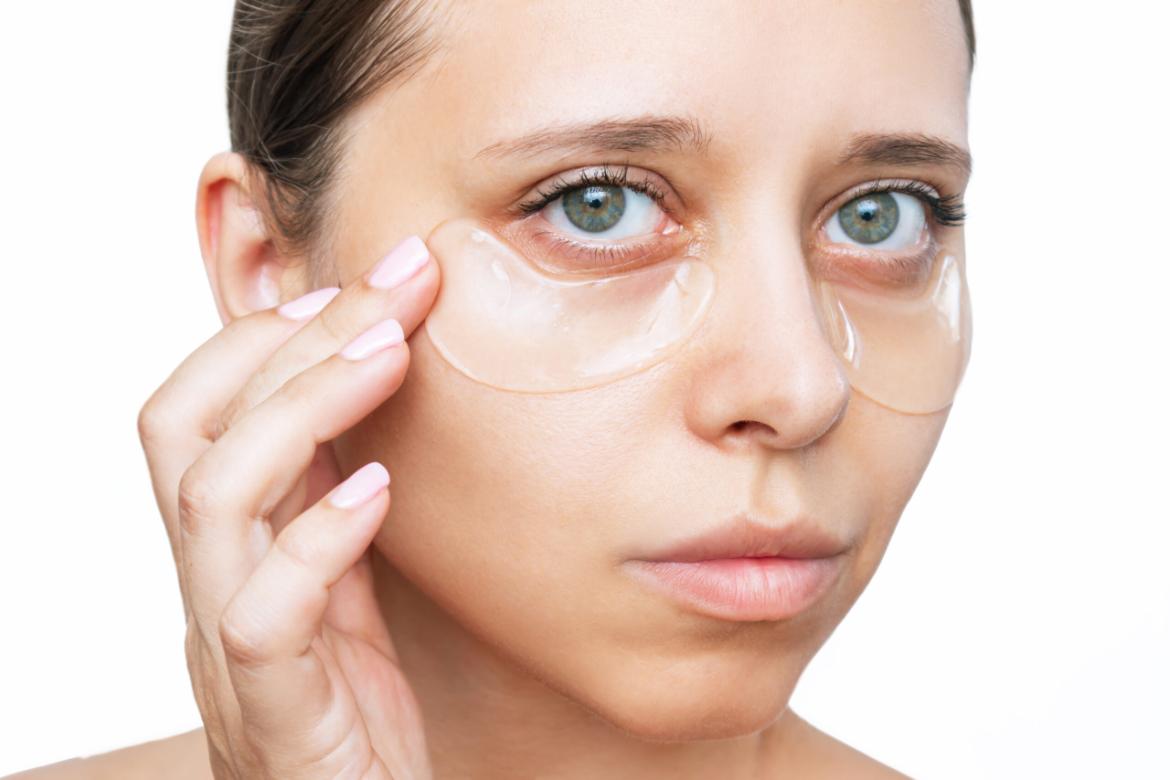
Under-Eye Dark Circles: Why Do They Occur and How Can They Be Treated?
The eye area is one of the most aesthetically important areas on our body. A bright and vibrant appearance helps create a healthy and youthful impression. However, under-eye circles are one of the most common aesthetic problems that can occur in this area. These are conditions where the skin around the lower eyelid appears darker than the surrounding area.
While these dark circles generally don't pose a health problem, they can negatively impact a person's emotional state and become a significant aesthetic concern. Dark circles under the eyes occur when hemosiderin pigment accumulates in the skin as a result of small capillary leaks under the skin.
Dark circles around the eyes can create a tired, sad, and aged appearance. This article will discuss the causes of dark circles and effective solutions.
Dark circles under the eyes: risk of occurrence and influencing factors
Under-eye circles are an aesthetic problem that can be affected by many different factors. These circles are generally more common in people in the following groups:
- Poor diet and inadequate iron and protein intake: People with iron and protein deficiencies in their diets may experience dark circles under the eyes. These deficiencies can make it difficult for skin to maintain a healthy appearance.
- Genetic predisposition: This problem may be more common in individuals with a family history of dark circles under the eyes due to genetic predisposition. Genetic factors can influence conditions such as thinning of the skin or increased visibility of veins.
- Aging: With the aging process, factors such as loss of skin elasticity, decrease in subcutaneous fat tissue and increased visibility of capillaries can contribute to the formation of dark circles under the eyes.
- Genetic and environmental factors: While genetic predisposition plays a role in the development of under-eye circles in some individuals, environmental factors can also influence the condition. Environmental factors such as lack of sleep, stress, and smoking habits can exacerbate under-eye circles.
When these factors are taken into consideration, the precautions that can be taken against dark circles under the eyes and the effective solutions can be better understood.
Dark circles under the eyes: Causes and risk factors
Under-eye circles are an aesthetic problem that can arise from the interaction of many factors. The main causes and risk factors for these dark circles are:
- Genetic factors: This problem may be more common in individuals with a family history of dark circles under the eyes due to genetic factors. Subcutaneous vascular structure and pigmentation may vary depending on genetic factors.
- Aging process: As we age, the decrease in subcutaneous fat tissue, thinning of the skin and the prominence of capillaries can contribute to the formation of dark circles under the eyes.
- Anemia: Inadequate iron intake or problems with iron absorption can lead to anemia. Anemia can cause visible veins under the skin and dark circles under the eyes.
- Fatigue and insomnia: Prolonged fatigue, insomnia, and overwork can contribute to the appearance of dark circles under the eyes.
- Skin diseases: Skin diseases such as atopic dermatitis and allergic contact dermatitis can affect the formation of dark circles under the eyes.
- Sun exposure: Prolonged sun exposure can accelerate skin aging and predispose to dark circles under the eyes.
- Chronic diseases: Chronic diseases such as cardiovascular disorders, liver and kidney diseases, and goiter may also be among the causes of dark circles under the eyes.
- Smoking and alcohol use: Smoking and excessive alcohol consumption can negatively affect skin health and contribute to the formation of dark circles under the eyes.
- Nutritional habits: Poor nutrition, iron and other important vitamin deficiencies can cause dark circles under the eyes.
- Excessive salt consumption and dehydration: Excessive salt consumption and not drinking enough water can disrupt the water balance in the body and increase dark circles under the eyes.
These factors can contribute to the development of under-eye circles. The degree of impact can vary from person to person, and personalized solutions should be sought to manage this condition.
Ways to get rid of dark circles under the eyes: Natural solutions
There are several natural home remedies to lighten and reduce the appearance of dark circles under your eyes. Here are 10 natural remedies that can help with dark circles:
- Apply a cold compress: Applying a cold compress under your eyes using ice cubes wrapped in a clean towel or a cloth soaked in cold water can reduce puffiness and reduce the visibility of dark circles by constricting blood vessels.
- Use cucumber: Cucumber can reduce eye puffiness and alleviate the appearance of tiredness. Place thinly sliced cucumber on your eyelids to use it.
- Use products containing antioxidants: You can choose antioxidant products containing vitamins E and C to moisturize and smooth the skin.
- Increase fluid intake: Drinking enough water can reduce under-eye circles by maintaining the skin's moisture balance.
- Increase sleep time: Getting enough sleep daily can prevent skin from looking dull and lighten under-eye circles.
- Apply tea bags: Applying cooled tea bags under the eyes can reduce puffiness due to its antioxidant effect.
- Elevate your head while sleeping: Elevating your head with a few pillows while sleeping can prevent fluid accumulation under the eyes.
- Use rose water: Rose water can revitalize your under-eye area and soothe the skin.
- Massage with coconut oil: Massage with coconut oil can be good for under-eye circles by accelerating blood circulation.
- Use lemon juice: Lemon juice can revitalize the skin thanks to the vitamin C it contains. Lemon juice can be applied to a cotton ball and applied to the eyelids.
Regularly applying these natural remedies can help reduce the appearance of dark circles under your eyes. However, for severe problems or persistent dark circles, it's important to consult a professional. Professional help can identify the cause of the dark circles and offer effective solutions. Remember, makeup is only a temporary solution and won't address the underlying problem.
Under-eye dark circles treatment methods and applications
Treatments for dark circles under the eyes depend primarily on the cause of the dark circles. These treatments include:
- Concealer cosmetic products: Concealer products such as mineral makeup foundations are effective in temporarily covering under-eye circles.
- Topical treatments: Creams and serums containing lightening agents are used to treat dark circles caused by increased brown pigmentation, especially around the eyes. These ingredients may include hydroquinone, retinoic acid, azaleic acid, arbutin, kojic acid, vitamin K, and vitamin C.
- PRP and mesotherapy: Platelet-rich plasma (PRP) application and mesotherapy have depigmenting properties by affecting the melanin pigment around the eyes.
- Chemical peels: Glycolic acid peels can be especially effective for dark circles caused by increased brown pigment around the eyes.
- Laser treatments: Under-eye circles can be treated using Q-switched Nd: YAG, Long Pulse Nd: YAG laser, and ablative lasers.
- Salmon DNA and mesotherapy: Products containing salmon DNA and peptides used for bruises caused by increased brown pigment can improve the quality of the skin.
- Fractional radiofrequency and lasers: Fractional radiofrequency and laser treatments are among the methods used for dark circles due to thinning of the skin under the eyes.
- Filler: Hyaluronic acid-based fillers can be effective for under-eye shadows and dark circles caused by insufficient volume. These treatments smooth out hollowness around the eyes and reduce skin sagging.
Treatment should be personalized based on the cause of the dark circles under the eyes, the patient's overall health, and their skin type. It's important to consult a specialist doctor or dermatologist before starting any treatment.
The effects of aging on under-eye circles
As we age, various skin changes occur, and dark circles under the eyes may become more visible. This may be due to:
- Thinning skin: The aging process can cause thinning of the skin. The amount of fat under the skin and its elasticity decrease, causing underlying veins to become more visible and leading to dark circles under the eyes.
- Loss of collagen and elastin: Collagen and elastin are proteins that provide skin with firmness and elasticity. As we age, the body loses the ability to produce these proteins. This can contribute to loose skin and make veins more visible.
- Reduced blood circulation: Aging can lead to decreased blood circulation. The vessels in the under-eye area may receive less oxygen and nutrients, leading to the appearance of dark circles.
- Genetic factors: Family history can play a significant role in the development of dark circles under the eyes. Genetic factors can also influence skin tone and texture.
- Hormonal changes: Hormonal changes can cause skin thinning and bruising, especially during menopause, when hormonal fluctuations occur frequently.
- Tear trough insufficiency: Loss of fat and tissue in the under-eye area can contribute to the prominence of the tear trough and the appearance of under-eye circles.
To mitigate the effects of the aging process, it's important to take precautions like regular skin care, sun protection, a healthy diet, and adequate water intake. Creating a personalized skincare routine with advice from a dermatologist can also be helpful.
Vitamin deficiencies that cause dark circles under the eyes
Dark circles under the eyes can be linked to various vitamin deficiencies. Vitamin B, C, E, and K deficiencies can contribute to this condition. The effects of these vitamin deficiencies on dark circles under the eyes include:
- B vitamins ( B12 , B6, B9): A deficiency in B vitamins can trigger conditions such as anemia. Anemia can lead to dark circles under the eyes and pale skin.
- Vitamin C (Ascorbic acid): Vitamin C supports collagen production and helps maintain healthy skin. A vitamin C deficiency can cause thinning of the skin and the appearance of dark circles under the eyes.
- Vitamin E (Tocopherol): Vitamin E has antioxidant properties and protects skin from the harmful effects of free radicals. Vitamin E deficiency can increase signs of aging and make under-eye circles more visible.
- Vitamin K: Vitamin K helps blood clot and may reduce leaky blood vessels that cause dark circles under the eyes. A vitamin K deficiency can contribute to the development of dark circles under the eyes.
Adequate intake of these vitamins is essential for healthy skin. A balanced diet, consuming foods rich in these vitamins, and taking supplements when necessary are crucial for maintaining healthy skin. However, under-eye circles may not be solely due to vitamin deficiencies, so consulting with a qualified healthcare professional may be beneficial.
