



Ulcer
An ulcer is a sore or injury that forms in the lining of the stomach, duodenum, esophagus, or other digestive system organs. The most common types are stomach ulcers (gastric ulcers) and duodenal ulcers.
Ulcers may occur as a result of excessive secretion of stomach acid and digestive enzymes, weakening or damage to the protective layer of the stomach and intestinal walls.
What are the symptoms of stomach ulcers?
A stomach ulcer is a condition in which the lining of the stomach is damaged. Symptoms of a stomach ulcer can vary from person to person, but common symptoms include:
- Abdominal pain: Stomach ulcers most commonly cause abdominal pain. It typically occurs when the stomach is empty or shortly after eating. The pain can range from mild to severe and may feel like a burning, sharp, or cramping sensation.
- Heartburn and heartburn: An ulcer can cause stomach acid to back up into the esophagus, causing heartburn or heartburn. This symptom is often described as a burning or painful sensation in the chest.
- Nausea and vomiting: Some people with stomach ulcers may experience nausea and vomiting. These symptoms may be more common if the ulcer blocks the stomach outlet or puts pressure on the digestive system.
- Loss of appetite: People with stomach ulcers may experience a decrease or loss of appetite. Pain or discomfort may reduce the desire to eat.
- Weight loss: If a stomach ulcer is left untreated, weight loss may occur due to recurring pain, loss of appetite, and digestive problems.
- Bleeding: Some stomach ulcers can cause bleeding. In the case of bleeding, you may see blood in your vomit or have traces of blood in your stool. This can be a serious medical emergency and requires immediate medical attention.
The symptoms of a stomach ulcer can vary from person to person and can sometimes be mild or vague. If you suspect a stomach ulcer or experience any of these symptoms, it's important to see a healthcare professional.
What Causes Stomach Ulcers?
A stomach ulcer is a condition in which stomach acid damages the stomach wall. The main causes of this damage are:
- H. pylori infection: A bacterium called H. pylori is the most common cause of stomach ulcers. This bacterium colonizes the lining of digestive organs like the stomach and duodenum and disrupts the protective layer of stomach acid. This causes the stomach acid to damage the stomach wall, causing ulcers.
- Excessive stomach acid production: Some people produce more stomach acid than normal. This can damage the stomach lining and lead to ulcers.
- Nonsteroidal anti-inflammatory drugs (NSAIDs): NSAIDs such as aspirin, ibuprofen, and naproxen can cause stomach ulcers. These medications can increase stomach acid production and weaken the mucosa that protects the stomach wall.
- Smoking: Smoking can increase the risk of stomach ulcers and slow down the healing process of ulcers.
- Stress: Excessive stress can increase the production of stomach acid and weaken the protective layer of the stomach wall, which can contribute to ulcer formation.
- Genetic predisposition: Some people may be genetically predisposed to stomach ulcers. Individuals with a family history of stomach ulcers may be at higher risk.
- Other factors: Other factors may include excessive alcohol consumption, irregular eating habits, inadequate sleep, some autoimmune diseases, and some cancers.
Stomach ulcers are usually caused by a combination of factors. Different factors can play a role in the development of a stomach ulcer in each individual. If you experience symptoms of a stomach ulcer or suspect one, it's important to consult a healthcare professional.
How is an ulcer diagnosed?
- Medical history and symptom assessment: Your doctor will begin by asking about your symptoms and the duration of your condition. They will also take your medical history and identify any risk factors.
- Physical exam: Your doctor will examine your abdomen for tenderness or other symptoms. This can help confirm signs of a stomach ulcer or rule out other possible causes.
- Lab tests: Lab tests, such as blood tests or stool tests, may be done to rule out H. pylori infection or other possible causes. A blood test may also be used to check for anemia, a condition sometimes associated with stomach ulcers.
- Endoscopy : This is the most commonly used method for confirming and evaluating ulcers. Endoscopy involves using an endoscope, a thin, flexible tube inserted through the mouth into the stomach and duodenum. During this procedure, the doctor can examine the lining of the stomach, identify ulcers, and take a tissue sample (biopsy).
- X-rays or imaging tests: In some cases, especially if the ulcer is difficult to detect or if serious complications are suspected, X-rays or imaging tests may be used. These tests can help visualize the stomach and intestines.
The diagnostic process may vary depending on your symptoms and your doctor's evaluation. The appropriate diagnostic methods will be determined by your doctor. If you suspect a stomach ulcer or your symptoms persist, it's important to consult a healthcare professional.
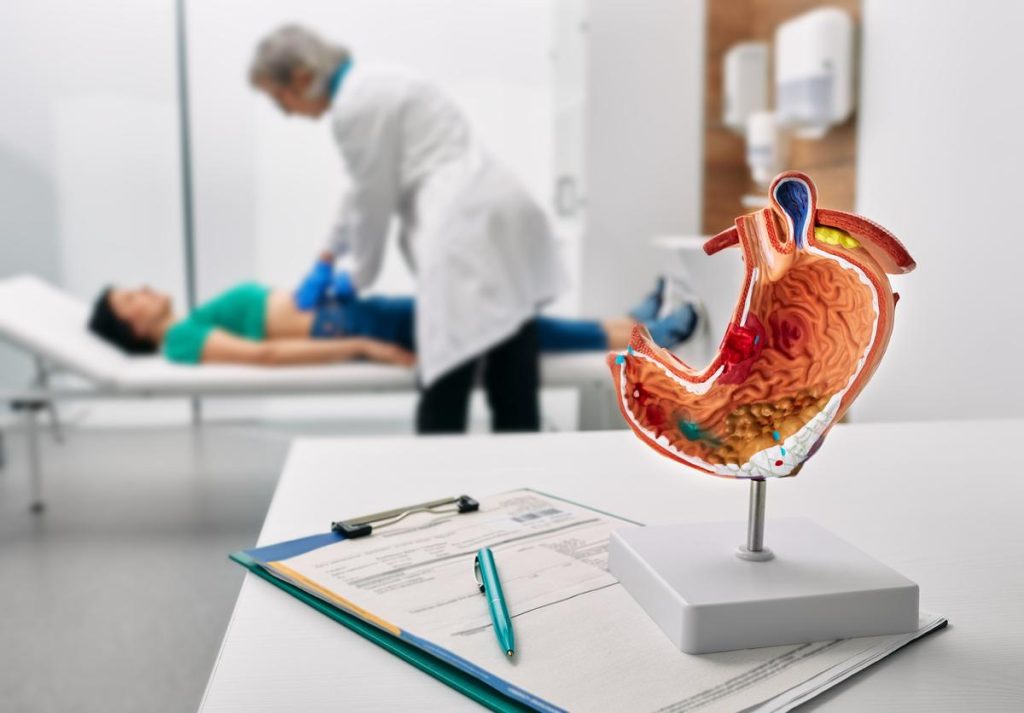
How is an Ulcer Treated?
Stomach ulcer treatment can involve different approaches, depending on the cause. The following methods are typically used:
Medicines:
- Treatment for H. pylori infection: If H. pylori infection is present, medications that reduce stomach acid, such as proton pump inhibitors (PPIs) or H2 blockers, are used along with antibiotics.
- Stomach acid-reducing medications: If an ulcer is caused by overproduction of stomach acid or damage to the stomach wall, medications such as PPIs or H2 blockers reduce stomach acid and allow the ulcer to heal.
- Antacids: Used to relieve symptoms, antacids neutralize stomach acid and reduce the burning or sour sensation.
- H. pylori testing and treatment : In people with H. pylori infection, acid-reducing medications are used in combination with antibiotics. This treatment aims to eradicate the infection and promote ulcer healing.
Diet and Lifestyle Changes
- Avoiding smoking and alcohol : Smoking and excessive alcohol consumption can slow down the healing process of stomach ulcers. Therefore, smoking and alcohol consumption should be limited or avoided altogether.
- Diet: Spicy, acidic, and excessively fatty foods can worsen stomach ulcer symptoms. Caution should be exercised when consuming foods and beverages, and foods that trigger ulcer symptoms should be avoided. Additionally, small, frequent meals are recommended.
- Stress management: Stress can trigger or worsen stomach ulcer symptoms. Stress management techniques, such as relaxation exercises and meditation, can be helpful in treating ulcers.
Surgery: In rare cases, ulcers that do not respond to treatment or have serious complications may require surgery. These procedures aim to remove the ulcer or correct the stomach and intestines.
What is good for ulcer pain? What should be done to prevent ulcers?
The following methods can be tried to relieve ulcer pain:
- Medications: Your doctor may recommend stomach acid-reducing medications or antacids to relieve pain. It's important to take these medications regularly.
- Diet: You can make some dietary changes to help relieve ulcer pain. Avoiding spicy, acidic, and fatty foods, eating smaller, frequent meals, avoiding extremely hot or cold foods, and avoiding caffeine and alcohol can help reduce pain.
- Stress management: Stress can trigger or worsen ulcer symptoms. Stress management techniques, such as meditation, deep breathing, yoga, or relaxation exercises, can help relieve pain.
- Cold compress: To temporarily relieve ulcer pain, you can apply a cold compress to your abdomen. Wrap an ice pack in a cloth and place it on your abdomen for 10-15 minutes.
To prevent ulcers, it is important to follow these steps:
- Preventing H. pylori infection: H. pylori infection is one of the most common causes of stomach ulcers. Therefore, taking hygienic precautions and avoiding consuming contaminated foods can reduce the risk of infection.
- Use NSAIDs with caution: Nonsteroidal anti-inflammatory drugs (NSAIDs) can cause stomach ulcers. If you must use an NSAID, it's important to use a low dose and follow your doctor's instructions. If necessary, a gastroprotective medication may also be helpful.
- Limiting smoking and alcohol consumption : Smoking and excessive alcohol consumption increase the risk of stomach ulcers and can slow down the healing process. Therefore, it's important to limit or quit smoking and alcohol consumption.
- Avoid stress: Stress can trigger or worsen stomach ulcer symptoms. Using stress management techniques, practicing relaxation exercises, and maintaining balance in your lifestyle can reduce your risk of ulcers.
- Healthy diet: A balanced and healthy diet can reduce the risk of stomach ulcers. It's important to avoid spicy and fatty foods, eat regularly, and consume high-fiber foods.
Is ulcer a problem that can be solved with herbal treatment?
There is no clear evidence that herbal treatments can resolve ulcers. Stomach ulcers are usually caused by medical conditions, such as H. pylori infection or excess stomach acid, and are usually treated with medications.
Herbal treatments may alleviate symptoms or provide relief for some people, but they are not fully effective in healing ulcers. Some plant-based products may have a soothing effect on the stomach and may temporarily relieve symptoms. For example, chamomile tea or aloe vera juice may provide relief for some people.
However, you should exercise caution and speak with your doctor before using herbal remedies. Some herbs or plant-based products can interact with medications or cause allergic reactions in some people. Furthermore, herbal treatments can only relieve symptoms and do not treat the underlying cause.
Lifestyle changes and home care for ulcers
When treating ulcers, lifestyle changes and home care methods can help relieve symptoms. Here are some suggestions:
Diet:
- Avoid spicy, fatty, acidic, and caffeinated foods. These types of foods can worsen ulcer symptoms.
- Eat smaller portions more frequently. Overeating can cause your stomach to produce excess acid.
- Eat high-fiber foods. This can help regulate your digestive system and relieve symptoms. Choose high-fiber foods like vegetables, fruits, whole grains, and legumes.
Limit or quit smoking and alcohol use:
- Smoking and excessive alcohol consumption can worsen stomach ulcers and slow down the healing process. Therefore, it's important to limit or quit smoking and alcohol altogether.
Avoid and manage stress:
- Stress can trigger stomach ulcer symptoms. Try to reduce stress using stress management techniques. Methods such as deep breathing, meditation, yoga, or relaxation exercises can help relieve stress.
Use cold compresses to relieve pain:
- Applying a cold compress to your abdomen can temporarily relieve ulcer pain. You can wrap an ice pack in a cloth and place it on your abdomen for 10-15 minutes.
Use the medications prescribed by your doctor regularly:
- Regularly take acid-reducing medications or antacids prescribed by your doctor. This can relieve symptoms and help the ulcer heal.
Go to regular follow-up appointments with your doctor:
- Keep your doctor's recommended follow-up appointments throughout your treatment. This is important to assess your progress and adjust your treatment as needed.
What happens if an ulcer is not treated?
- Bleeding: Ulcers can cause injuries to the lining of the stomach or intestines. These injuries can bleed, leading to gastrointestinal bleeding. Bleeding can manifest as blood in the stool, blood in the vomit, or black, tarry stools (melena). Severe bleeding may require immediate medical attention.
- Perforation: An ulcer can create a hole in the wall of the stomach or intestine. This can allow the contents of the ulcer to leak into the abdominal cavity, leading to serious infections such as peritonitis (inflammation of the peritoneum). Perforation is a life-threatening condition that requires immediate surgery.
- Infection: Wounds in the area affected by an ulcer can become susceptible to infection. Bacterial infections, particularly H. pylori, can make it harder for the ulcer to heal and exacerbate symptoms.
- Strictures and obstructions: An ulcer can cause a stricture or blockage in the stomach or intestines. This is a condition that prevents food and liquids from moving normally and affects the digestive system. In cases of severe strictures or obstructions, surgery may be necessary.
- Long-term symptoms and reduced quality of life: Untreated ulcer symptoms persist and can worsen over time. Symptoms such as severe stomach pain, heartburn, bloating, nausea, and vomiting can negatively impact quality of life.
For these reasons, if you experience symptoms of an ulcer or suspect one, it's important to see a healthcare professional and receive appropriate treatment. Early diagnosis and treatment reduces the risk of complications and promotes a healthy recovery.
