


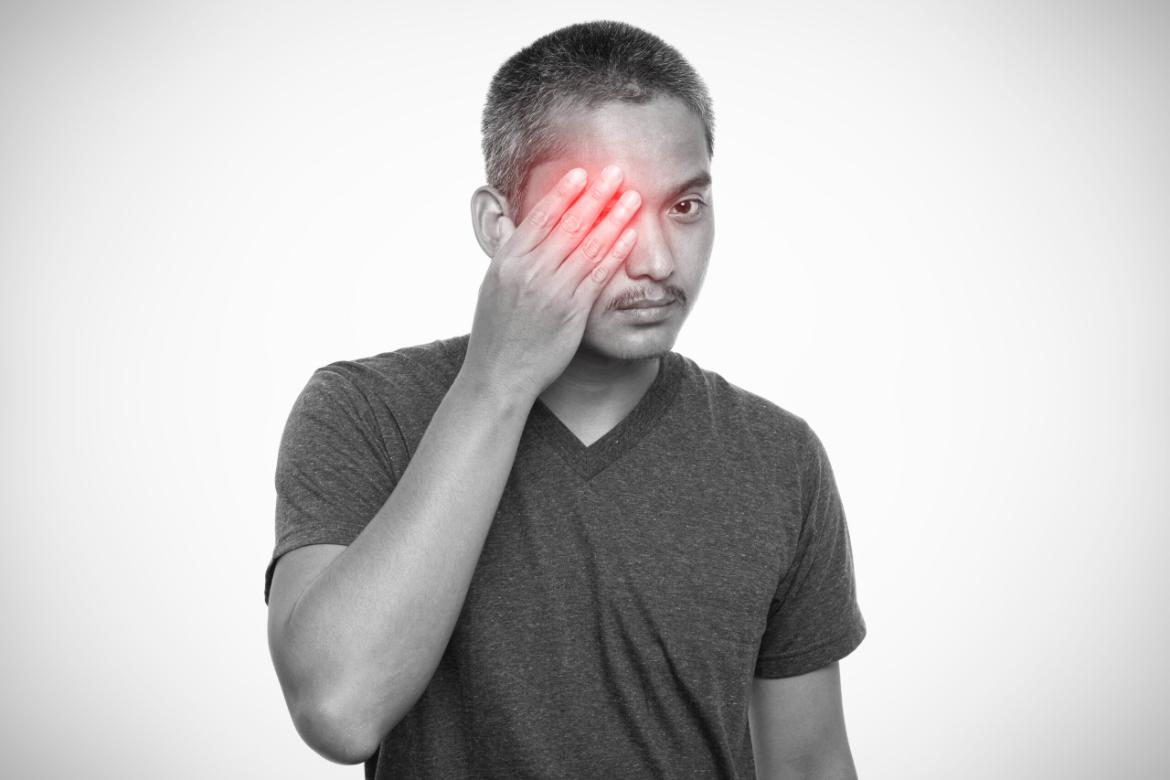
Trigeminal Neuralgia (Maddening Disease)
Trigeminal neuralgia (TN) is a condition characterized by severe and recurrent facial pain caused by the trigeminal nerve. The trigeminal nerve is one of the main nerves that transmits sensation to the face, carrying sensory information from different areas of the face.
TN typically manifests as sudden attacks of sharp, intense, and electric-shock-like pain. These attacks are typically felt on one side of the face, such as the cheeks, jaw, lips, teeth, or around the eyes. The pain can sometimes be so intense that it interferes with daily activities.
This condition is usually caused by irritation of part of the trigeminal nerve, such as a tumor, blood vessels pressing on the nerve, a problem with cerebrospinal fluid flow, or aging of the nerve. In other cases, no obvious cause may be found.
Treatment for TN may include pain-relieving medications, nerve-directed procedures, nerve blocks, or, in some cases, surgery. Treatment options generally depend on the severity, frequency, and cause of symptoms.
If left untreated, trigeminal neuralgia can significantly reduce quality of life, interfere with daily activities, and cause pain-related stress and anxiety. Therefore, it is important for people experiencing these symptoms to consult a healthcare professional.
What causes trigeminal neuralgia?
Trigeminal neuralgia (TN) is usually caused by sudden and repetitive overstimulation or irritation of the trigeminal nerve. The exact cause of this condition isn't always clear, but some possible triggers include:
- Nerve compression: Compression of a portion of the trigeminal nerve by a tumor, blood vessels pressing on the nerve, or another structure can irritate the nerve and cause pain.
- Nerve damage: Damage to the trigeminal nerve due to a head injury, surgery in the face or head, or any other cause can cause neuralgia.
- Neurological diseases such as multiple sclerosis (MS): Certain neurological conditions may contribute to the occurrence of trigeminal neuralgia.
- Nerve aging: As we age, nerve tissue can undergo changes that can increase the risk of trigeminal neuralgia.
- Vascular compression: Blood vessels, particularly arteries, can press on the trigeminal nerve, leading to irritation of the nerve.
- Other factors: In rare cases, infections, tumors, or rare genetic conditions can also lead to trigeminal neuralgia.
Although the exact causes of TN are not fully understood, the factors mentioned above can often contribute to the condition. It is important for individuals experiencing any facial pain or symptoms of trigeminal neuralgia to seek appropriate diagnosis and treatment by consulting a healthcare professional.
Trigeminal neuralgia symptoms
Trigeminal neuralgia (TN) symptoms are typically characterized by sudden attacks of severe, sharp pain. These attacks are felt on one side of the face and typically occur in the following areas: the cheeks, jaw, lips, teeth, or around the eyes.
Trigeminal neuralgia symptoms may include:
- Severe pain attacks: A sharp, burning, or piercing pain, similar to an electric shock. Attacks can last from a few seconds to several minutes and can be very intense. This pain can interfere with daily activities.
- Unilateral pain: Pain is usually felt on one side of the face, rarely on both sides.
- Trigger factors: Daily activities such as light touch, talking, washing the face, brushing the teeth, eating or laughing can trigger trigeminal neuralgia pain.
- Frequency of attacks: In some cases, attacks may recur frequently and can be quite distressing for the patient.
- Sudden onset: Pain usually begins suddenly and is severe.
- Rarely, accompanying symptoms: In some cases, pain attacks may be accompanied by symptoms. These symptoms typically include tearing, runny nose, painful facial expressions, and red eyes.
Symptoms of TN can vary from person to person. Some people may experience attacks more frequently or less severely. However, these symptoms are generally characterized by attacks of pain and can significantly impact quality of life. If you experience symptoms of trigeminal neuralgia, it's important to consult a doctor, such as a healthcare professional or neurologist, as proper diagnosis and treatment can help manage symptoms.
How is trigeminal neuralgia diagnosed?
Diagnosis of trigeminal neuralgia is usually based on the patient's symptoms and physical examination. A doctor will evaluate the patient's symptoms and medical history, and will try to understand the type, severity, frequency, and triggers of the pain.
The following steps can be followed during the diagnosis phase:
- Hospital history and physical examination: The doctor will listen to the patient's complaints and examine the face and head to determine which part of the trigeminal nerve is causing the pain. They may also assess potential triggers for the pain.
- Imaging tests: Imaging tests, such as computed tomography (CT) or magnetic resonance imaging (MRI), may be used to investigate potential underlying causes of trigeminal neuralgia. These tests can help determine whether the nerve is being compressed or irritated.
- Other tests: In rare cases, blood tests or other laboratory tests may be done to rule out certain conditions or confirm a diagnosis.
- Sensory and reflex tests: To evaluate nerve-related problems, the doctor may perform sensory and reflex tests on different areas of the face.
Trigeminal neuralgia is usually diagnosed based on symptoms, physical examination findings, and imaging tests. Excluding other potential causes and evaluating symptoms are important during the diagnostic process.
If trigeminal neuralgia is diagnosed, your doctor will develop an appropriate treatment plan to manage your symptoms and discuss treatment options. These treatments may aim to reduce the severity of your symptoms and control the frequency and intensity of your attacks.
How is trigeminal neuralgia treated?
Treatment for trigeminal neuralgia may focus on reducing the severity of symptoms and controlling the frequency and intensity of attacks. The treatment plan is personalized based on the patient's symptoms, age, health, and other factors. Treatment options may include:
- Medication: Various medications can be used to reduce pain and control nerve overstimulation. These include anticonvulsants (gabapentin, pregabalin), antidepressants (amitriptyline, nortriptyline), antispasmodics, and sometimes pain relievers.
- Nerve blocks or injections: Doctors sometimes recommend nerve blocks, such as local anesthetic or steroid injections to the trigeminal nerve. These injections can relieve pain by blocking pain signals or reducing the nerve's sensitivity.
- Neuromodulation treatments: Implantable devices (for example, trigeminal nerve stimulation) may be used to provide neural stimulation or nerve blocks.
- Surgical treatment: If medications or other treatments are not sufficient, surgical options may be considered in some cases. Microvascular decompression can be used to relieve pressure on a nerve that is under pressure. Other surgical procedures may include nerve lesioning, nerve destruction (such as radiofrequency ablation), or stereotactic radiosurgery.
- Alternative and complementary therapies: Some people may benefit from alternative or complementary therapies, such as acupuncture, biofeedback, massage therapy, or yoga. However, the effectiveness of these treatments may require more scientific evidence.
The treatment plan may differ for each patient, and an effective treatment approach should be determined by considering the severity of the patient's symptoms, their cause, and their overall health. Treatment options generally focus on symptom management and aim to achieve the best outcomes for the patient. Throughout the treatment process, patients should maintain regular communication with their physicians and report any changes in their symptoms.
What happens if trigeminal neuralgia is not treated?
When trigeminal neuralgia is left untreated or unresponsive to treatment, symptoms can often worsen and significantly impact quality of life. Untreated trigeminal neuralgia can lead to the following:
- Increased pain intensity and frequency: Pain attacks can become more frequent and severe over time. This can significantly impact a patient's daily life and cause difficulty maintaining normal activities.
- Reduced quality of life: Due to the intensity and frequency of pain, trigeminal neuralgia can cause sleep disturbances, difficulty eating and drinking, and negatively impact overall mental health. This can negatively impact patients' social interactions, work productivity, and overall quality of life.
- Physical and emotional effects: Experiencing persistent severe pain can lead to depression, anxiety, stress, and other emotional problems. Furthermore, sleep disturbances and inadequate rest due to pain can negatively impact a patient's overall health.
- Other health problems: Sustained facial muscle contraction during pain attacks can cause headaches in some patients. This can cause additional headaches in addition to trigeminal neuralgia.
- Social isolation: Severe and frequent pain attacks can lead to isolation from the outside world and reduced social interactions.
For these reasons, it is important for people with severe and recurring pain, such as trigeminal neuralgia, to seek appropriate treatment options to alleviate their symptoms and improve their quality of life. Consulting a healthcare professional is recommended to minimize the negative effects of untreated or inadequate treatment. In these cases, appropriate treatment plans are aimed at managing symptoms and providing relief.
Does trigeminal neuralgia go away on its own?
Trigeminal neuralgia is generally considered a chronic condition that does not go away on its own. Pain attacks can often worsen over time and can seriously impact quality of life. Therefore, it requires treatment because the pain attacks can become more frequent and severe.
In some cases, pain attacks may decrease over time or cease for a period of time. However, this varies from person to person and is generally rare. Trigeminal neuralgia is often associated with long-lasting and recurring pain attacks.
Treatment is aimed at reducing or controlling symptoms, which can reduce the duration and frequency of pain attacks. Pain may not go away on its own, so it's important to use appropriate treatment methods.
Is there a herbal treatment or natural cure for trigeminal neuralgia?
There are no specific, scientifically proven herbal or natural remedies for severe and chronic pain, such as trigeminal neuralgia. These pains are typically managed with medications, surgery, or other medical treatments.
Herbal or natural treatments may help relieve or manage symptoms in some people, but scientific evidence on their effectiveness is limited. For example, some people may try to relieve their symptoms by using herbal teas, herbal extracts, or herbal supplements. However, conclusive scientific evidence on the effectiveness and safety of these herbal products is lacking.
While acupuncture, yoga, and other alternative therapies have also been used to relieve symptoms of trigeminal neuralgia, there is no consistent evidence of their effectiveness. While these methods have been shown to provide relief for some individuals, they do not guarantee the same results for everyone.
It's important to remember that you should always consult a healthcare professional before trying any herbal or natural treatment. Herbal supplements or natural remedies can sometimes interact with other medications or cause side effects. It's also important to remember that these treatments may not be sufficient to address chronic pain issues like trigeminal neuralgia.
It's important to collaborate with a healthcare professional to determine the safest and most effective treatment approach. A qualified healthcare professional can develop the most appropriate treatment plan for your patient's symptoms and condition.
