


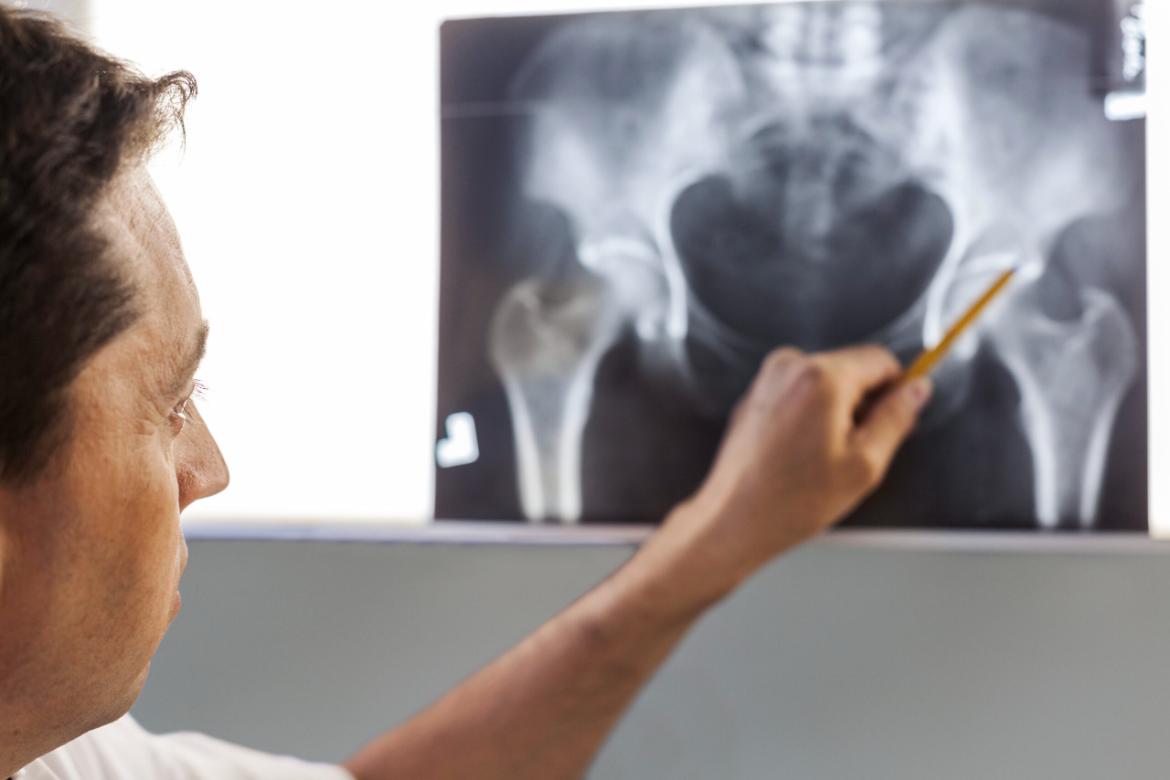
The 3 Main Symptoms of Hip Arthritis
Hip arthritis doesn't resemble the condition often associated with society's misconception. From the inside, there's no such thing as "teapot-level arthritis" on the hip joints. Instead, in cases of arthritis, the cartilage between the two surfaces wears away, leading to the growth of two growths. Long-term outcomes can include the development of a type of arthritis known as coxarthrosis, which can lead to bikini line insertions.
If calcification of the margins is addressed at an early stage, treatment can be planned without surgery. However, in advanced stages, it may be unavoidable. Fortunately, successful results can be achieved with today's ceramic prosthetics. These prosthetics offer an effective solution for improving patients' lives and reducing hip pain.
Post-Traumatic Hip Arthritis in Young People
Hip arthritis can occur in young people who have experienced trauma. Hip arthritis is a condition caused by wear and tear on the cartilage, particularly in the upper portion of the fragmented parts, such as the femoral head. The hip joints receive less nutrition than other joints, so their blood supply to this region is not as dense as that of other joints. This condition can initially occur in the hip joint area, which is often the cause.
Hip arthritis is often seen alongside other problems, such as knee arthritis or low back pain. Unless traumatized at a young age, hip arthritis usually occurs after age 55-60.
Hip arthritis can be monitored and tracked, especially during:
- Individuals with back or knee problems
- For those at an advanced level
- In those with congenital hip dislocation
- Having hip joint problems
- Those who use steroids for a long time
There is information that supportive treatments in the early stages are beneficial.
Hip arthritis is significantly associated with pain at rest and persistent pain that worsens. If the patient develops arthritis, medication and physical therapy are often used. Hip arthritis diagnosed at an early stage can benefit from stem cell therapy, PRP (Platelet Rich Plasma), collagen, and other supportive treatments. However, surgery is often necessary in later stages. Hip replacement implantation is a common surgical procedure.
Indicators of hip arthritis may include:
- Feeling of pain during hip shift movements
- Pain radiating to the groin
- Pain felt especially in the hip area and radiating to the leg when turning from right to left
Hip replacement surgery plays an important role in providing freedom of movement.
If the problem involves less than 50% of the hip joint, salvage surgery may be considered. Such treatments include surface arthroplasty or cartilage/bone transplantation. If hip replacement surgery is necessary, ceramic implants are preferred because they provide a healthy, ergonomic fit. These implants are less prone to wear.
After hip replacement surgery, patients are generally hospitalized for three days and are able to walk by the end of the third day. Efforts are made to help children, especially after surgery. Patients can usually return to their daily activities without any restrictions after approximately 1.5 to 2 months.
Post-operatively, it's important to maintain muscle expansion through weight management, physical therapy, and appropriate exercise. This can enhance the long-term value of the prosthesis and support the healing process.
It's as if the prosthesis never existed!
After surgery, a sustainable lifestyle is established. During this period, instruction is provided on how to perform daily activities, including toilet training, such as sitting down and getting up separately. Certain movement restrictions may be in place, typically for up to three months, depending on the doctor's program. However, after this period, no restrictions are generally imposed.
Hip replacement surgery can achieve highly successful results, especially in younger patients with good muscle mass. Despite having a prosthesis, these individuals can lead virtually unrestricted lives. With the support of physical therapy, medication, and other medications, they can return to their normal lives after surgery, eliminating the need for the prosthesis.
After surgery, it is important to focus on whole body strengthening exercises!
After hip replacement surgery, it's important to exercise not only the hip joint but also other areas like the lower back and knees. The muscles in the body are crucial for overall health. Strengthening the lower back is crucial in exercises that widen the hip joints. Therefore, it's important to choose exercises that work the entire body and don't overload any specific area. Exercises like swimming and Pilates with equipment help strengthen muscles and maintain body balance.
Cycling can also be beneficial with hip replacement surgery. However, cycling with your feet touching the pedals, with your toes at a 25-degree angle, is particularly recommended. This can protect your hip and knee joints while also contributing to muscle strengthening.
What to Do for Hip Arthritis?
A number of treatment options and management strategies are available for hip arthritis. These may include:
- Medication: Prescription or over-the-counter pain relievers, anti-inflammatory drugs (NSAIDs), or corticosteroids may be recommended to relieve pain and reduce inflammation.
- Physical therapy and exercise: Physical therapy can help improve range of motion, strengthen muscles, and alleviate pain. Regular exercise programs can alleviate the symptoms of hip arthritis and improve quality of life.
- Weight control: Excess weight can make arthritis more severe. Weight loss can alleviate the strain and pain on the part.
- Diet and nutrition: A good diet can provide support in many ways. Consuming anti-inflammatory foods and omega-3 fatty acids may be particularly beneficial.
- Supportive devices: Using devices while walking puts stress on the joints. For example, you can relieve joint pain by using a cane or walking poles.
- Heat and cold therapy: You can relieve pain and inflammation by using warm compresses or cold packs. Some people benefit more from hot applications, while others benefit more from cold therapy.
- Alternative treatments: Some people may benefit from alternative treatments such as acupuncture, massage therapy, or yoga. However, it's important to consider what's available before these treatments become available.
An appropriate treatment plan for hip arthritis depends on individual factors such as portion distribution, age, health status, and other factors. Therefore, it's important to consult a healthcare professional to determine an effective treatment plan.
