


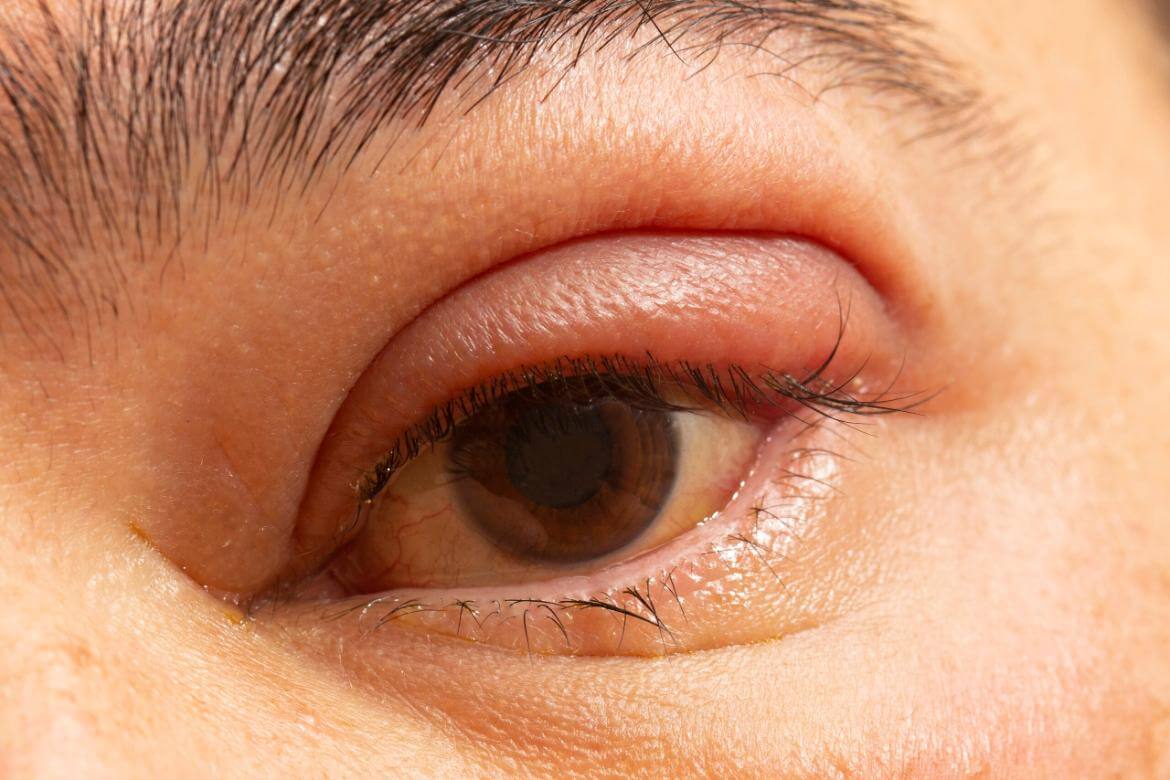
Stye
A stye is a small swelling caused by an overgrowth of oil glands on the edge of the eyelid or the inside of the eyelid. A stye usually presents as a painful, warm spot, but can also appear as a red, tender area.
It's possible for styes to be present in staphylococcal plants or elsewhere. However, the disease usually causes damage and resolves.
You can relieve stye symptoms at home by using warm compresses or by taking care to clean your face.
Why does a stye appear?
The oil glands in the eyelid secrete oil into the hair follicles at the edge of the eyelid, keeping the eye moist. However, if the glands become blocked or infected, disease can occur.
It usually occurs due to staphylococcal climate and can spread easily to other areas. Constant eyelid ovulation or rubbing of the eyes with dirty hands can also contribute to the disease . Conditions such as blepharitis, seborrheic dermatitis, or acne rosacea, which are chronic eyelid inflammations, can also increase the risk of developing the disease.
What are the symptoms of a stye?
- A small, red, swollen spot or mass on the part of the eyelid that is parted
- Pain or tenderness in the inner part or length of the eyelid
- Pain around the hairs along the eyelid
- A small growth-like formation on the eyelid
- Along the eyelid length or durable
What are the Types of Styes?
- External Stye (Hordeolum Externum): This occurs as a result of an overgrowth of the oil glands on the outer part of the eyelid. An external stye is caused by a hair follicle growing through the eyelid or by an infection. An external stye is typically less painful and is more common.
- Internal Stye (Hordeolum Internum): This occurs as a result of the sebaceous glands on the inside of the eyelid becoming enlarged. An internal stye arises from the outlet of the larger sebaceous glands within the eyelid. While less common, an internal stye can be more severe, cause more problems, and last longer.
Both types usually heal on their own.
How to Classify a Stye in the Eye?
A stye is usually diagnosed by an ophthalmologist through a clinical examination. The ophthalmologist will listen to your symptoms and examine your eye to confirm the presence of the stye.
During the exam, your eyes may be examined for signs of inflammation, temperature, and other symptoms. Other parts of your eyes may also be examined to detect any signs of eye strain or other eye problems.
Sometimes, a doctor may perform a series of tests to determine if another problem is behind a stye, regardless of whether it's causing severe or prolonged pain. These tests may include blood tests or eye tests, such as tonometry, which measures the pressure inside the eyeball.
How to Treat a Stye? How to Get Rid of a Stye?
It can usually be easily treated at home and in most cases, it will heal within 1-2 weeks.
- Applying a warm compress: Applying a warm compress to your eyelids with a clean cloth soaked in warm water can help reduce swelling, soothe inflammation, and speed up the healing of a stye. Repeat this process 4-5 times a day for 10-15 minutes.
- Using antibiotic cream: You can treat a cold stye by using antibiotic cream prescribed by the patient. Applying the cream directly to the stye can speed healing.
- Eye hygiene: By maintaining good eye hygiene, you can help a stye heal before the infection worsens. Frequent eye washing can help clear away dirt and debris.
- Use of painkillers: To relieve the pain caused by the stye, you can use painkillers of the severity type.
- Surgery: If surgery is necessary for treatment, a similarly invasive procedure may be recommended. Surgery is typically reserved for persistent or recurring lesions.
Stye Formation?
It is not transmitted through direct or indirect contact elsewhere, as is protocoled. However, it is important to maintain good personal and eye hygiene to prevent recurrence of infection. Contact with dirty hands and using dirty towels or pillows can trigger the disease. Therefore, it is recommended to follow personal hygiene rules and take proper hygiene measures to manage the disease.
What are the risk factors for a stye?
- Paying attention to eye hygiene and avoiding touching eyes with dirty hands
- Frequent stinging or itching of the eyes
- Doing eye makeup and sharing makeup products
- Insufficient sleep and stress
- Overgrowth of microscopic organisms called demodex (skin flies)
- It can occur in a condition called meibomian gland dysfunction. Meibomian glands are small oil glands located at the edge of the eyelid and are caused by the proliferation of these glands.
What Should Be Done to Prevent Styes?
- Taking care of your eyes: Wash your eyes frequently and keep your hands clean. Avoid touching your eyes with dirty hands.
- Use eye makeup correctly: Don't share eye makeup products and practice good hygiene while applying makeup. Be sure to remove eye makeup before going to bed.
- Get enough sleep: Insufficient sleep, stress, and fatigue can increase the risk of developing the disease. Get regular and adequate sleep.
- Apply heat: Applying heat can prevent the disease by preventing the hair follicles in the eyelid from becoming impermeable. To do this, dip a clean cloth or cotton pad in hot water and apply the hot water to the eyelid for 5-10 minutes without squeezing too much.
- Clean your skin: The proliferation of microscopic organisms called demodex can trigger the disease . Cleanse your skin regularly and use skincare products.
- Consume foods rich in omega-3 fatty acids and vitamin A to support the healthy functioning of fat cells that protect the eyelids.
