



Sputum
Phlegm is a secretion produced in the lungs, part of the respiratory system, that helps clear the airways. Phlegm is a sticky liquid called mucus, and it traps and clears dust, microorganisms, allergens, and other foreign substances that settle along the respiratory tract.
The main function of phlegm is to protect the lungs by trapping harmful substances and microbes that enter the airways. It also provides relief by moisturizing and soothing irritations in the respiratory tract.
Phlegm production is often associated with an infection or respiratory illness. Conditions such as the common cold, flu, bronchitis, and pneumonia can increase phlegm production. The color, consistency, and amount of phlegm can vary depending on the type and severity of the underlying health problem.
It's important to see a healthcare professional if your sputum is greenish or yellowish, dark or bloody, accompanied by other symptoms such as a severe cough, shortness of breath, fever, or if it persists for a long time. These symptoms may be a sign of a serious respiratory infection or other health problem.
What causes phlegm?
Phlegm can form as a result of respiratory infections or respiratory illnesses caused by a variety of factors. Some common causes of phlegm include:
- Respiratory tract infections: Upper respiratory infections such as colds, flu, bronchitis, and pneumonia can cause phlegm production. Infections irritate the mucous membranes in the respiratory tract, leading to more phlegm production.
- Sinusitis: Sinusitis is a condition caused by inflammation of the sinuses. Sinus congestion due to infection or allergic reactions can contribute to phlegm production.
- Asthma: Asthma is a chronic respiratory disease characterized by inflammation and narrowing of the airways. During an asthma attack, increased mucus production may occur in the airways.
- COPD : Chronic obstructive pulmonary disease (COPD) is a disease characterized by narrowing of the airways and decreased lung function. People with COPD may experience increased sputum production and secretion.
- Smoking: Smoking irritates the respiratory tract and can damage mucous membranes. This can increase phlegm production and affect its color and consistency.
- Allergic reactions: Exposure to allergens can cause inflammation of the airways and the production of phlegm. Common allergens such as pollen, dust mites, and molds can cause phlegm.
- Air pollution: Polluted air can irritate the respiratory tract and increase phlegm production. Polluted air particles and harmful chemicals can affect the composition of phlegm that accumulates in the respiratory tract.
The cause, symptoms, amount, and characteristics of phlegm can vary depending on the underlying health problem. If phlegm production is persistent, severe, or accompanied by alarming symptoms, it's important to consult a healthcare professional.
What is good for phlegm?
The following methods and treatments may help clear phlegm and provide relief:
- Drink plenty of fluids: Water and other liquids help thin mucus and make it easier to expel. Warm water, herbal teas, freshly squeezed fruit juice, or hot chicken broth are especially good choices.
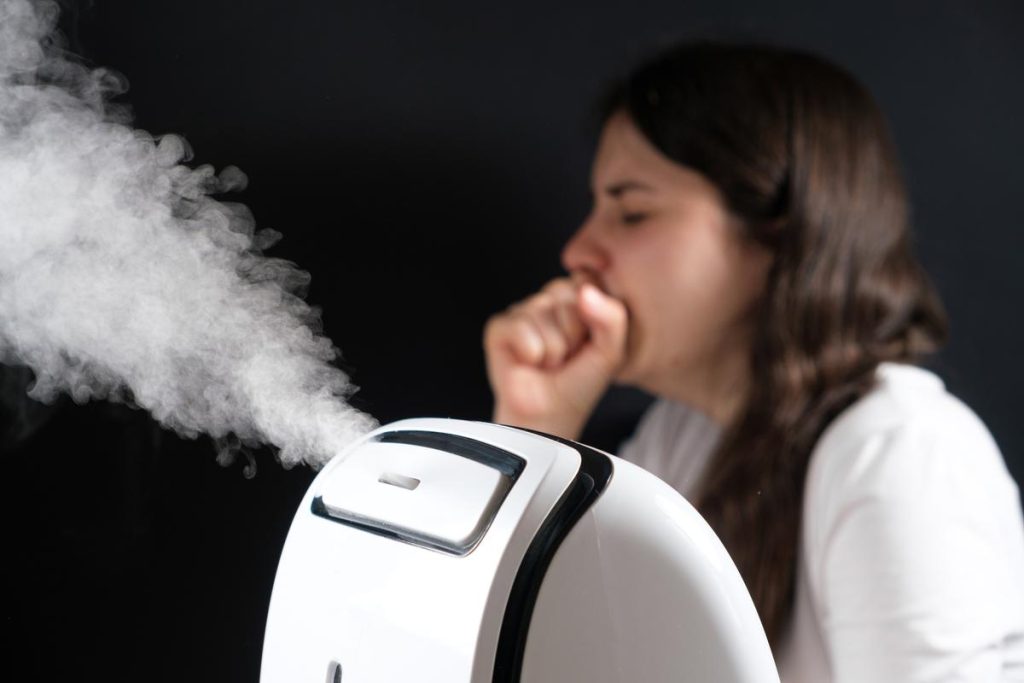
- Humid environment: A humid environment can relax the airways, making it easier to expel phlegm. You can use a humidifier or take a steam bath to achieve this. For a steam bath, leaning over a bowl of hot water and inhaling the steam can be effective.
- Humidifiers: Some cough syrups or sprays can help thin phlegm and moisten the airways. However, it's important to consult a healthcare professional before using these medications.
- Saltwater gargle: Saltwater can soothe a sore throat and help loosen phlegm. Add half a teaspoon of salt to a glass of warm water and gargle with the mixture.
- Cough suppressants: Some cough syrups or medications can suppress the cough reflex while making it easier to expel phlegm. However, it's important to consult a healthcare professional before using these medications.
- Moisturizing foods: Certain foods can be helpful in thinning phlegm and easing respiratory tract infections. You can consume foods that contain natural moisturizers, such as honey, lemon, ginger, thyme, and mint.
- Relaxation and rest: Get adequate rest and sleep to help your body recover. Limit your activities and allow your airways to rest.
How to expel phlegm?
Cough: Coughing is the most effective method for removing phlegm. The cough reflex expels phlegm from the throat. You can try to remove phlegm by taking deep breaths and then coughing sharply. However, instead of trying to cough up phlegm forcefully, slow, controlled coughs are preferable.
- Hydration: Drinking plenty of fluids helps thin mucus and makes it easier to expel. Make sure to drink plenty of fluids, such as water, herbal teas, and freshly squeezed fruit juice, regularly.
- Steam inhalation: Leaning over a container of hot water and inhaling the steam moistens the respiratory tract and helps loosen phlegm. You can add some herbal oils or salt, which have a cough-suppressing or expectorant effect, to the water for steam inhalation.
- Humectants: Cough syrups or sprays recommended by your doctor can thin and expel mucus. However, you should always consult your doctor before using these medications.
- Saltwater gargle: Add half a teaspoon of salt to a glass of warm water and gargle with the mixture. Saltwater soothes the throat and helps clear phlegm.
- Body position: Sleeping with the head of your bed slightly elevated or keeping your head slightly elevated while lying down may help the phlegm come out more easily.
How is phlegm treated?
Phlegm is a symptom that often results from upper respiratory tract infections. Treatment for phlegm focuses on addressing the underlying cause and alleviating symptoms. Some common methods for treating phlegm include:
- Drinking plenty of fluids: Drinking plenty of water can help keep the body hydrated and thin mucus. This can make it easier to expel mucus. Warm drinks, especially herbal teas or hot water with lemon and honey, can also provide relief.
- Humidification: Humid environments can help moisten the respiratory tract and help clear mucus more easily. You can use a humidifier to achieve this. Taking a warm shower or doing steam inhalation can also be helpful.
- Gargle: Gargling with salt water can relieve throat irritation and loosen phlegm. Add half a teaspoon of salt to a glass of warm water and gargle.
- Cough syrups: Cough syrups can relieve symptoms by loosening phlegm and easing cough. However, it's important to consult your doctor before using these types of syrups.
- Mucoactive medications: Mucoactive medications can help thin mucus and make it easier to expectorate. These medications are usually prescribed by a doctor.
- Treating the underlying cause: The underlying cause of phlegm is often an infection, allergy, or chronic respiratory disease. In this case, it's important to follow your doctor's recommended treatment. Antibiotics, antihistamines, or other medications may be used.
