


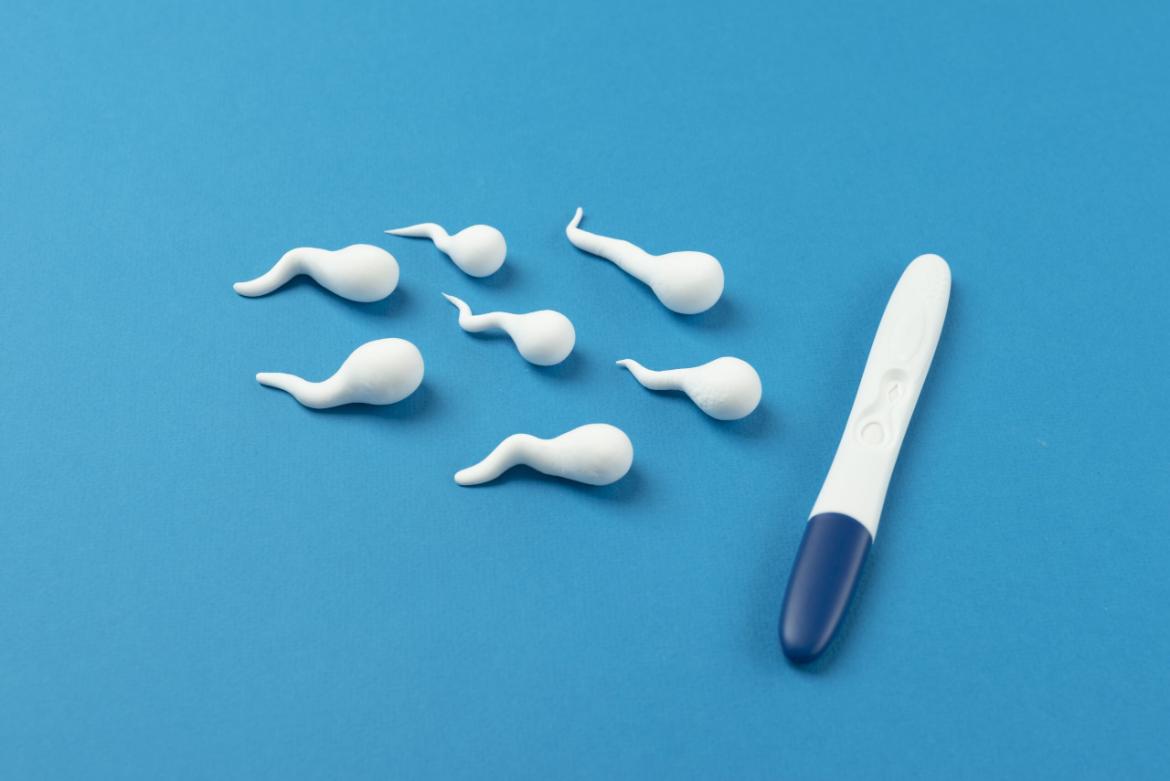
Spermiogram Test
It's a laboratory test performed to measure the potential of sperm, the male reproductive cells. Infertility, the most common problem experienced by men seeking to conceive before starting IVF treatment, occurs in every 6-7 people in the population. This test assesses a man's reproductive potential. If a man who wants to conceive has unprotected intercourse but hasn't experienced pregnancy, a spermiogram test is performed first. This test analyzes the presence and quantity of healthy, motile sperm cells necessary for reproduction. Semen ejaculated during ejaculation contains white, thick substances and enzymes produced by various glands in the testicles that facilitate sperm movement. During a spermiogram, a detailed microscopic examination is conducted to assess the quantity and quality of all these fluids, along with their excretion. If a man desires to conceive but is unable to conceive, he should consult a physician and undergo a detailed physical examination.
At Private Ankara Magnet Hospital, our expert doctors begin the treatment process under appropriate hygiene conditions. You too can benefit from a comprehensive physical examination at Private Ankara Magnet Hospital.
How is a Spermiogram Test performed?
Expecting fathers must have a spermiogram test performed by specialist physicians in fully equipped hospitals. First, the woman's ovulation date is determined and her menstrual cycle is determined. Then, after a period of sexual abstinence of at least two and at most five days, the male patient's sperm sample is sent to a laboratory for analysis. The collected sperm sample is analyzed using specialized equipment and techniques. If necessary, your doctor may request a sperm test at least twice, 3 to 5 weeks apart. It is recommended that the test be performed in a hospital. This is crucial for accurate results.
Individuals experiencing difficulties can also provide a sample after intercourse with their partner, provided they wear a special condom designed specifically for this procedure that does not harm the sperm's natural structure. The sample must be delivered to the laboratory within one hour.
How are sperm results evaluated?
For a sperm test, the semen sample collected at the hospital generally needs to be between 2 and 6 ml. A semen volume lower than this value leads to low sperm count, meaning problems with the reproductive function of the reproductive cells, the sperm. A semen volume of 6 ml or more indicates excess fluid in the ejaculate and a low sperm count relative to the fluid. The sperm sample should be thick when first collected, but it should liquefy after approximately 20 minutes. Unliquefying sperm impairs sperm motility, which can prevent them from bonding with the egg. A sperm count and pH per milliliter are generally required to be between 7.2 and 8.0. A general assessment of the spermiogram test is that motility (sperm motility) exceeds 50% within approximately one hour, which is crucial for fertilization. The following diagnoses can be made after the spermiogram test:
- Normospermia: Indicates that sperm cells are healthy, lively and have proper mobility.
- Oligospermia : Also known as low sperm count, it is a lower-than-normal sperm count that can cause male fertility problems.
- Azoospermia: Azoospermia (zero sperm) is the absence of any viable sperm in the semen. This means that a person cannot conceive naturally.
- Oligoasthenospermia: Indicates that sperm motility and sperm count are low.
- Teratospermia: Indicates that the amount of sperm cells with normal shape is low.
- Asthenospermia : Sperm motility is lower than normal.
What Should Be Considered When Performing a Spermiogram Test?
For the sample to be used in a sperm test, individuals must abstain from sexual intercourse for at least two days and a maximum of five days before having the test. The person providing the sperm sample for the test should be in a comfortable environment, free from stress. Urine, if present, should be collected before starting the sperm test. For a reliable sperm test, it is best to collect the sample by masturbation into a sterile container. If the test must be performed outside of a laboratory or hospital, the sperm should be delivered to the laboratory within half an hour of collection, maintaining the test temperature. However, we generally prefer collecting the sample in a center rather than at home, as this prevents potential complications. The individual should not use any lubricant during masturbation, as this will result in an unacceptable result. All of the semen collected should be placed in the container. Any accidental leakage of semen should be reported to the laboratory. During the procedure, the penis and fingers should not touch the inside of the container.
How long does it take to get the results of the Spermiogram Test?
The sperm test is available 3-4 hours after you submit your sample to our center. After you schedule an appointment with our center, the sperm sample is then analyzed in our room using expert techniques. The spermiogram must be reviewed within one hour.
Factors that negatively affect spermiogram quality?
Sperm counts are highly susceptible to environmental factors. Smoking and alcohol consumption are the most significant factors affecting sperm count and quality. Even exposure to secondhand smoke can negatively impact sperm production. Additionally, antidepressants, certain cancer treatment medications, and certain antibiotics negatively impact sperm motility and quality. Sexually transmitted infections (STDs) also negatively impact sperm quality. Some infections that damage the male genital organs block the sperm ducts and reduce sperm motility.
Additionally, stress, extreme heat, fast food consumption, prolonged exposure to radiation, and consumption of unbalanced and hormone-containing foods negatively impact sperm quality. For people with low sperm count, exposure to extremely hot environments such as Turkish baths, saunas, and prolonged hot baths is generally not recommended, as they negatively impact sperm production.
Frequently asked questions?
Where can I get a spermiogram test done?
It's more appropriate to have a sperm test performed at an in vitro fertilization center. Testing elsewhere requires a laboratory with specific equipment. To have a spermiogram test at our hospital, simply make an appointment with a urologist or andrologist.
Can spermiogram test be done at home?
Because the sperm sample is immediately delivered to the laboratory upon collection, a home test may not yield positive results. If absolutely necessary, the sample collected at home should be kept at body temperature and brought to our hospital within no more than 15 minutes.
In what cases should a spermiogram test be performed?
It's typically performed to test for infertility or other similar problems in men before starting IVF treatment. This spermiogram test is performed after partners have been unable to conceive for one year despite regular intercourse without using contraception.
Can you get pregnant if your sperm count is low?
Even if a man has a low sperm count, his partner still has a chance of getting pregnant. You need to have fewer than 15 million sperm in one semen and fewer than 39 million sperm in one ejaculation.
