


Smallpox
Smallpox is a serious, contagious disease caused by a virus medically known as variola. The variola virus is a member of the Orthopoxvirus family and infects humans. The disease begins with flu-like symptoms, including fever, headache, fatigue, muscle aches, and weakness.
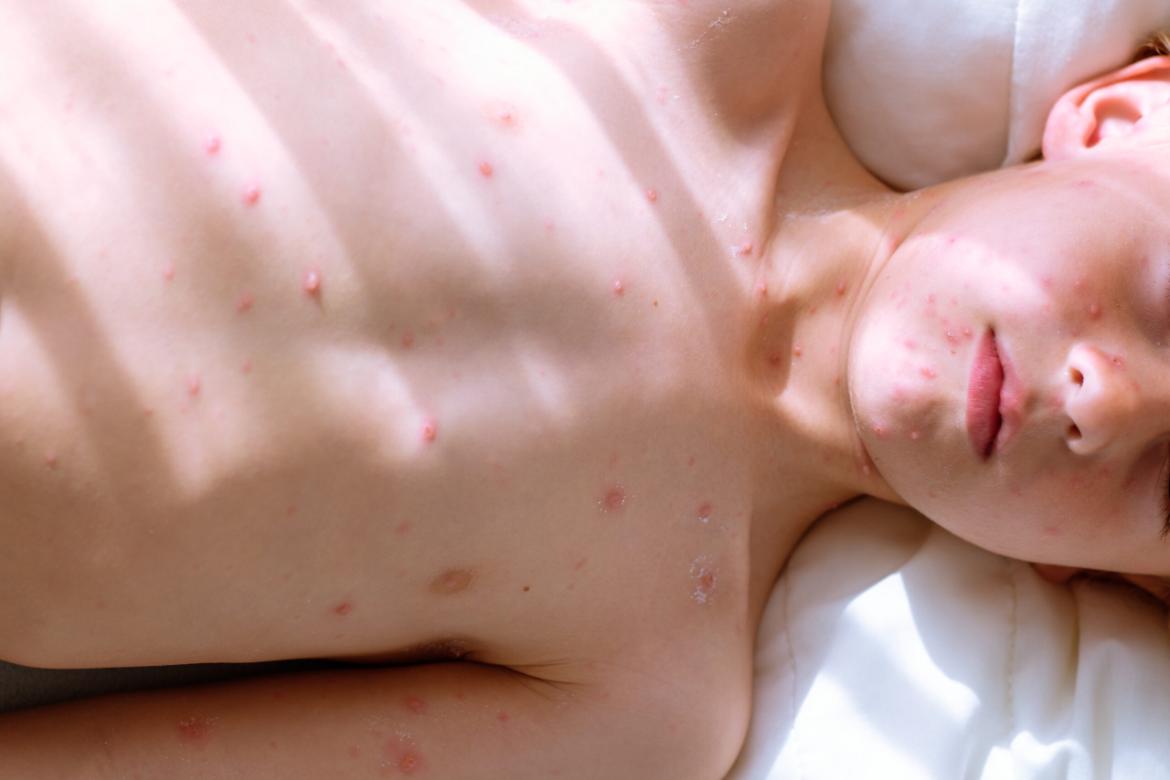
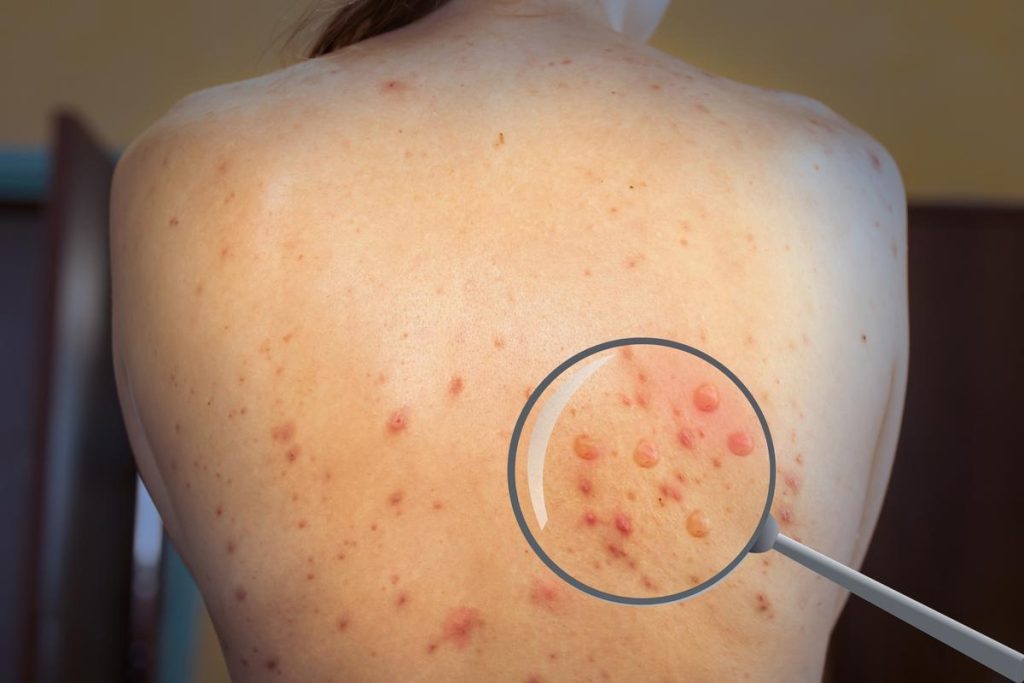
Characteristic rashes then appear on the body. Initially appearing on the face, mouth, and throat, the rash begins as red blisters that eventually crust over. These crusts eventually fall off, leaving unsightly scars on the skin. Smallpox can lead to serious complications, even death, especially in people with weakened immune systems.
Smallpox has been a common epidemic throughout history, but was completely eradicated in the 1980s thanks to worldwide vaccination programs.
This means smallpox is no longer the only naturally occurring disease on Earth. Vaccination prevents people from contracting smallpox, preventing the spread of the virus.
What are the symptoms of smallpox?
Symptoms of smallpox usually appear 10 to 14 days after the virus enters the body. These symptoms may include:
- High fever: The illness usually begins with a high fever. Fever is one of the most prominent symptoms in the early stages of the illness.
- Headache: Severe headaches are another common symptom of smallpox. The pain can often be intense and excruciating.
- Fatigue and weakness: Smallpox can cause severe fatigue and weakness in the affected person. These symptoms often occur along with a fever.
- Muscle aches: Widespread muscle aches can occur with the disease. These aches are often severe and can make movement difficult.
- Rashes: The most characteristic symptom of smallpox is a rash. It begins as small, red blisters on the face, mouth, and throat. These blisters then enlarge, collect fluid, and eventually scab over. After these crusts fall off, scars may remain on the skin.
- Sore throat: Severe pain and discomfort in the throat may occur with the disease. Difficulty swallowing and hoarseness may also occur.
Because smallpox is a serious and contagious disease, it's important to see a healthcare professional immediately if you have any concerns. Furthermore, being vaccinated against smallpox is crucial for preventing the disease and preventing its spread.
What causes smallpox? What are the risk factors?
The virus that causes smallpox can be suspended in the air along with respiratory secretions during coughing, sneezing, or talking. It can also be transmitted through direct contact with infected wounds or infected material. Smallpox is particularly contagious during the infectious period when blisters and crusted sores appear.
Risk factors include:
- People without a vaccination history or with weakened immune systems: Vaccination against smallpox is the most effective method for preventing the disease. Vaccination allows the body to mount a stronger immune response when exposed to the virus. People who have not been vaccinated or whose immune systems are weakened are at higher risk of smallpox.
- Travel : While smallpox is a disease controlled worldwide, cases can still be reported in some areas. Travelers to areas with smallpox are at risk of contracting the disease.
- Close contact : Smallpox can spread easily among people who come into close contact with an infected person. People who live in the same household or spend extended periods of time together in the same room are at risk of becoming infected.
- Weakened immune system : People with weakened immune systems may be more vulnerable to smallpox. These include those undergoing cancer treatment, those taking immunosuppressant medications, or those with immunodeficiency conditions such as HIV/ AIDS .
Is there a cure for smallpox?
Yes, there is a cure for smallpox. However, treatment methods can vary depending on the severity of the disease, the patient's overall health, and the early onset of treatment. Treatment for smallpox may include the following:
- Supportive therapy : Supportive therapy is used to relieve symptoms in a person with smallpox. This includes symptomatic treatments such as reducing fever, relieving pain, and maintaining fluid balance.
- Antiviral medications: Antiviral medications are available that are effective against the Variola virus, which causes smallpox. These medications can reduce the severity of the disease, prevent complications, and speed recovery. However, these medications are most effective when used early in the disease.
- Vaccination: Vaccination is the most important method for preventing smallpox. The World Health Organization (WHO) has developed an effective vaccine against smallpox. Vaccination prevents the spread of the disease and increases herd immunity. Once the smallpox epidemic has been stopped, smallpox vaccination is no longer included in routine vaccination programs.
Because smallpox is a serious and potentially fatal disease, it is crucial to treat it. However, due to its rarity and control, treatment is generally unnecessary. Vaccination, in particular, has prevented the spread of the disease and significantly reduced smallpox-related deaths.
Frequently asked questions about smallpox
What is good for smallpox?
There is no specific treatment or medication for smallpox. However, some measures can be taken to alleviate symptoms and promote healing. Some methods that may help alleviate smallpox symptoms include:
- Fever-reducing medications: Fever-reducing medications such as paracetamol can be used to reduce the fever caused by smallpox. However, aspirin should be avoided in children because it can cause a serious condition called Reye syndrome.
- Fluid intake: Drinking adequate amounts of fluids is important for maintaining hydration and fluid balance. Drinking plenty of water or electrolyte-containing beverages can help support the body.
- Painkillers: Painkillers can be used to relieve pain and discomfort. These can be over-the-counter medications such as ibuprofen or acetaminophen. However, it's important to consult a healthcare professional before use.
- Relaxing bath: To relieve itching and soothe the skin, take a warm bath. Gently clean the itchy areas without rubbing, then gently pat the skin dry.
- Comfortable, cool clothing: Wearing light, cotton, and loose clothing can help the skin breathe and relax. Be careful to dress in a way that won't irritate itchy areas.
- Itch-relieving lotions: You can use moisturizing products, such as aloe vera or heat-reducing lotions, to relieve itching. However, it's important to consult a healthcare professional before use.
These measures can alleviate symptoms and provide relief, but it is important to always contact a healthcare professional for treatment of smallpox.
Are there any side effects of the smallpox vaccine?
The smallpox vaccine may have some side effects, but these are usually mild and temporary. The side effects of the vaccine can vary from person to person. Common side effects of the smallpox vaccine include:
- Pain, redness, or swelling at the injection site: After the vaccine is administered, you may experience mild pain, redness, or swelling at the injection site. These side effects are usually short-lived and mild.
- Fever: A mild fever may occur after vaccination. This usually resolves on its own within 24-48 hours.
- Mild flu-like symptoms: Some people may experience mild flu-like symptoms after vaccination. These may include headache, muscle aches, fatigue, and a mild fever. These symptoms are usually short-lived and mild.
- Rare complications: In very rare cases, smallpox vaccination can cause serious side effects. These may include widespread skin rashes, severe allergic reactions, or blisters from the vaccination site spreading to other areas. However, these complications are extremely rare.
The smallpox vaccine is generally considered safe considering its side effects.
