


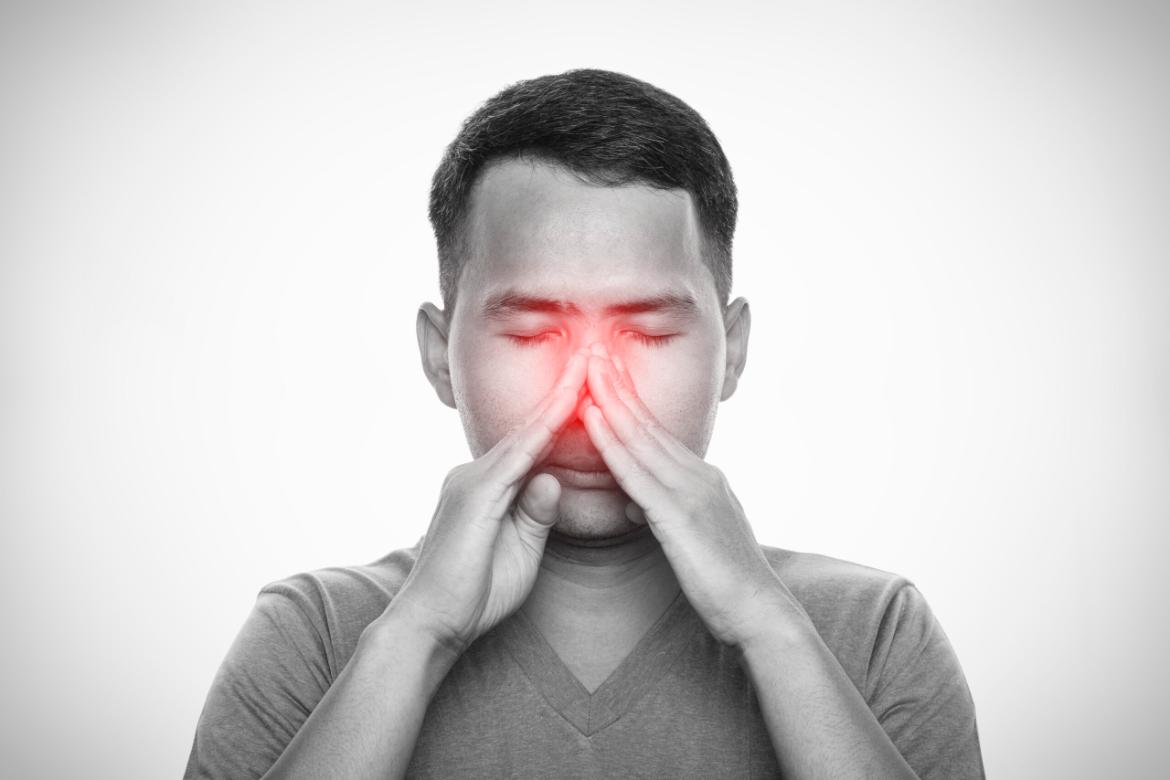
Sinusitis
Sinusitis is an inflammation of the air-filled spaces within the nasal cavity called the sinuses. These spaces open into the nostrils and come in various sizes. Sinuses are located above the eyes, on the sides, and inside and around the nose.
Sinusitis is usually caused by an infection, which blocks the drainage of mucus within the sinuses. This buildup of mucus increases pressure within the sinuses and causes inflammation. Sinusitis can be caused by bacteria, viruses, and fungi.
What are the symptoms of sinusitis?
- Headache: This is the most common symptom and is usually felt where the sinuses are inflamed.
- Nasal congestion: It causes nasal congestion due to swelling of the sinuses.
- Runny nose: Caused by mucus secreted by inflamed sinuses.
- Facial pain: You may feel pain in various areas of your face, especially around the eyes, cheeks, and forehead.
- Toothache: You may feel a toothache where the sinuses are inflamed.
- Dizziness: Sinusitis can cause dizziness.
- Cough: When the sinuses are inflamed, mucus can flow into the lungs and cause a cough.
- Bad breath: Mucus from inflamed sinuses can cause odor.
- Earache: Sinusitis can sometimes cause earache.
These symptoms also apply to acute, subacute, or chronic sinusitis. However, symptoms of chronic sinusitis may be milder.
What are the causes of sinusitis?
Sinusitis occurs when the sinuses in the nose and face become infected or inflamed. The most common causes are:
- Cold: Viruses that cause colds can cause inflammation of the sinuses and sinusitis.
- Bacterial infections: Bacterial infections can also cause inflammation of the sinuses.
- Allergies : Allergic reactions can affect the lining of the nose and sinuses , causing inflammation of the sinuses.
- Polyps : When polyps grow in the nose and sinuses, they can block the vents of the sinuses, causing inflammation.
- Inflamed nasal septum : Inflammation of the nasal septum, the cartilage and bone structure located in the middle of the nasal cavity, can also cause sinusitis.
- Tobacco use : Smoking or using tobacco products can cause inflammation of the nose and sinuses and increase the risk of sinusitis.
- Structural abnormalities in the face : Structural abnormalities in the face can prevent the sinuses from draining properly and cause sinusitis.
- Facial trauma : Facial trauma can cause fractures in the nose or facial bones, leading to inflammation of the sinuses.
Beyond these causes, there are other factors that can cause sinusitis. In many people, a combination of factors can contribute to sinusitis.
What are the Types of Sinusitis?
Sinusitis is generally classified according to its duration and frequency of recurrence. These are:
- Acute sinusitis : This is a type of sinusitis that usually occurs due to a cold and heals in less than 4 weeks.
- Subacute sinusitis : This type of sinusitis occurs when acute sinusitis doesn't improve or recurs. It usually lasts 4-8 weeks.
- Chronic sinusitis : This is the most common type of sinusitis and is inflammation that lasts longer than 12 weeks. It can occur due to polyps or structural abnormalities that block airflow through the sinuses.
- Recurrent sinusitis : Chronic sinusitis is a type of sinusitis where symptoms return regularly, even when treated.
Sinusitis is also classified according to which part of the sinuses it affects. These are:
- Maxillary sinusitis: This is the most common type of sinusitis and affects the maxillary sinuses located in the cheeks.
- Frontal sinusitis: Affects the frontal sinuses in the forehead area.
- Ethmoidal sinusitis: Affects the ethmoid sinuses in the posterior region of the nose.
- Sphenoidal sinusitis: Affects the sphenoid sinuses at the base of the skull.
What are the factors that increase the risk of sinusitis?
- Allergies : Allergic reactions can trigger inflammation in the nose and sinuses and increase the risk of sinusitis.
- Nasal structure disorders: Nasal bone, septum, or other structural disorders can obstruct airflow to the sinuses and increase the risk of sinusitis.
- Immune system problems: Immune system problems can reduce your ability to protect against infections and increase your risk of sinusitis.
- Smoking or tobacco use: Smoking, using tobacco products, or exposure to secondhand smoke can cause inflammation of the nose and sinuses and increase the risk of sinusitis.
- Airborne pollution: Environmental pollutants in the air can cause inflammation of the sinuses and increase the risk of sinusitis.
- Frequent upper respiratory tract infections: People who have frequent upper respiratory tract infections are more likely to experience sinus inflammation and are at increased risk of sinusitis.
- Facial trauma: Trauma to the facial area can cause inflammation of the nose and sinuses and increase the risk of sinusitis.
- Low humidity: In low humidity environments, the nose and sinuses can dry out and become vulnerable to infections, thus increasing the risk of sinusitis.
These factors not only increase the risk of sinusitis but can also exacerbate symptoms once it occurs. Therefore, it is recommended that these factors be avoided or controlled whenever possible.
What are the Treatment Methods for Sinusitis?
Treatment for sinusitis can vary depending on the severity and type of sinusitis. Some common sinusitis treatments include:
- Antibiotics: If sinusitis is suspected to be bacterial, antibiotics are the most common treatment. Treatment is recommended for 7-10 days and should be used according to your doctor's instructions.
- Decongestants: Decongestants can be used to reduce sinus swelling that causes nasal congestion. However, these medications can be addictive with long-term use, so it's important to use them as directed by your doctor.
- Nasal sprays: Steroid nasal sprays can be used to reduce inflammation in the nose and sinuses. It's important to use them as directed by your doctor.
- Warm, moist compresses: A warm, moist towel or steam bath can reduce inflammation in the nose and sinuses and help relieve symptoms.
- Polyp surgery: Polyps in the sinuses may be surgically removed when they block airflow or when other methods of sinusitis treatment have failed.
- Allergy treatment: If sinusitis has an allergic cause, allergy treatment may help reduce symptoms.
Sinusitis treatment aims to alleviate symptoms and prevent recurrence of sinusitis.
What Kind of Headache Does Sinusitis Cause?
Sinusitis can cause a headache due to inflammation of the sinuses. This headache typically feels like intense pressure behind the forehead, eyes, cheeks, or upper teeth. The headache is often worse in the morning or early in the day and is often accompanied by other sinusitis symptoms, such as a runny nose, congestion, or sore throat.
Headaches caused by sinusitis are often similar to, but different from, migraine headaches. While migraine pain is typically felt as one-sided, pulsating pain, sinusitis pain is more often felt as a feeling of pressure and fullness in the facial area.
Does Wet Hair Cause Sinusitis?
Wet hair does not directly cause sinusitis, but it can worsen sinusitis symptoms or worsen an existing sinus infection.
Going outside with wet hair after washing your hair, or being exposed to cold air or drafts, can cool your sinuses and cause nasal congestion. This can worsen nasal congestion, headaches, and other symptoms that can occur with sinusitis.
Additionally, wet hair can create a favorable environment for bacteria or fungi to grow, which can worsen an existing sinus infection or cause a new one to develop.
Therefore, it is important to dry your hair as much as possible and avoid exposure to cold air or drafts to reduce the severity of sinusitis symptoms or to protect yourself from sinusitis.
Common Misconceptions About Sinusitis
- Sinusitis only occurs during the winter months: Sinusitis is not seasonal. It can occur at any time.
- Antibiotics are not always necessary to treat sinusitis: They are only effective against bacterial infections. In the majority of sinusitis cases, the infection is viral and therefore does not require antibiotic treatment.
- Sinusitis only causes nasal congestion: In addition to nasal congestion, sinusitis can also cause other symptoms such as headache, facial pain, fatigue, fever, etc.
- Sinusitis affects only the nasal cavity: Sinusitis can occur in the sinuses around the cheeks, forehead, eyes, and other facial areas, as well as the nasal cavity.
- Sinusitis cannot be cured with nonsurgical treatments: Sinusitis is often successfully treated with antibiotics, nasal sprays, humidifiers, and other medications. Surgery is only necessary in rare cases where other treatments have failed.
- Sinusitis is a persistent condition: Sinusitis is an infection or inflammation that can often be treated. With treatment, symptoms usually improve within a few weeks.
