


Signs of Premature Labor
During this exciting time as labor approaches, expectant mothers may experience certain symptoms. Each expectant mother's experience of the birth process can be different. Signs of premature labor are often a concern for expectant mothers. While a normal pregnancy is 40 weeks, delivery before 37 weeks is considered premature. Approximately 12% of pregnancies can result in premature birth. Previously considered a significant risk, premature birth has become more manageable thanks to medical advancements, and infant loss has significantly decreased.
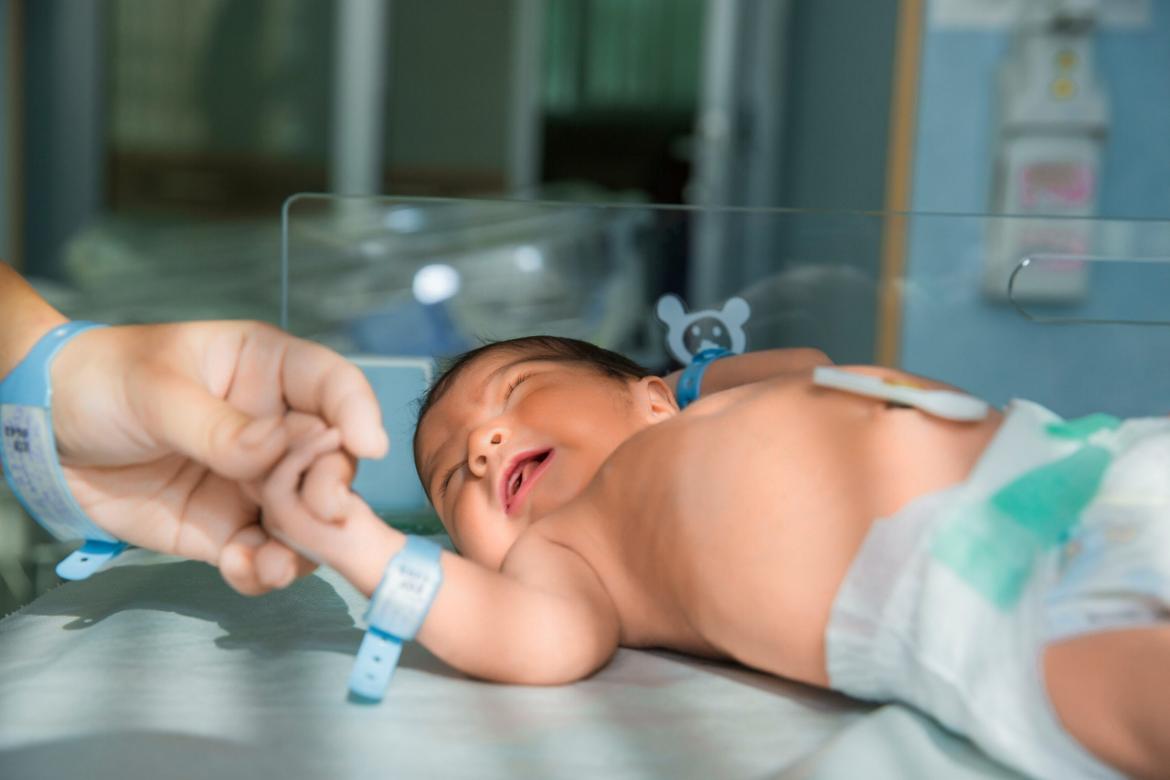
Today, premature babies born before seven months of age are kept in incubators requiring specialized care and closely monitored by healthcare professionals. This allows for regular monitoring of their health. Such premature babies can develop typically in later life after remaining in an incubator for an appropriate period. However, earlier births carry greater risks. Prematurity can increase the risk of conditions such as autism, lung problems, vision and hearing impairments, and slow growth in babies.
While premature birth is sometimes inevitable, expectant mothers can reduce the risk by taking precautions in some cases. However, it's important to begin by focusing on the question, "What is premature birth?"
What is Premature Birth?
A healthy pregnancy typically lasts 40 weeks. Births occurring between the 20th and 37th weeks of pregnancy are medically referred to as preterm births. This means that babies born before 37 weeks are considered premature. Many premature babies require intensive medical care. Therefore, premature babies are often monitored in neonatal intensive care units for varying lengths of time, depending on the baby's condition.
While the exact cause of preterm labor is unknown, a number of factors are thought to increase the risk of premature labor. Preterm labor, which occurs when the cervix dilates due to regular contractions, can occur in some women without any obvious risk factors. Before discussing the causes and risk factors for preterm labor, which accounts for approximately 12% of all births, it's helpful to answer the question, "How is preterm labor recognized?"
Signs of Premature Labor
Expecting mothers' interpretations of preterm labor symptoms may include signs that occur at different stages of pregnancy. These symptoms often manifest as contractions felt by the expectant mother. These so-called Braxton Hicks contractions can sometimes be misleading because they can be confused with true labor. These contractions are a bodily response that prepares the expectant mother for labor, and when noticed, they can prevent unnecessary panic. Especially in first pregnancies, Braxton Hicks contractions may not be immediately noticeable; however, if they are noticed, consulting a doctor can provide peace of mind.
There are several differences between labor contractions and Braxton Hicks contractions. First, labor contractions typically occur every 10 minutes or more and steadily increase in intensity. These contractions also persist even when changing positions. Braxton Hicks contractions, on the other hand, are irregular and do not increase in intensity. These types of contractions are generally painless, but if they do occur, they are usually felt in the front of the abdomen and may be relieved by a change in position.
Correctly recognizing the symptoms is important to prevent premature labor. The best way to distinguish between Braxton Hicks contractions and true contractions is to check whether the pain and contractions ease or subside with a change in position.
Signs of premature birth can be listed as follows:
- Contractions that occur every 10 minutes or more and become increasingly intense.
- Presence of pain in the waist and back region that does not go away with position changes.
- Pain and cramps in the lower abdomen, similar to menstrual cramps or intense gas pains.
- A feeling of pressure in the vagina or pelvic area.
- Vaginal discharge that is liquid, bloody, or mucus-like.
- Vaginal bleeding, light bleeding or spotting.
- The appearance of symptoms such as nausea, vomiting or diarrhea that resemble signs of infection.
When these symptoms are present, the best approach is to contact a healthcare professional immediately.
Causes of Premature Birth
The cause of premature labor is sometimes unknown and can occur unexpectedly. In these cases, the specialist may need to plan the birth.
Some of the causes of premature birth may be:
- Cervical insufficiency: If the cervix is not strong enough, it can lead to premature birth.
- Placenta blocking the birth canal: Placenta blocking the cervix or placental problems can cause premature birth.
- Multiple pregnancies: In multiple pregnancies, such as twins or triplets, the uterus may contract earlier and the risk of premature birth may increase.
- Chronic health problems: Chronic health problems such as diabetes and infections can increase the risk of premature birth.
- Alcohol and cigarette consumption: Alcohol and cigarette consumption by the expectant mother may increase the risk of premature birth.
- Preeclampsia (pregnancy poisoning): Preeclampsia, which occurs along with high blood pressure and other complications, can lead to premature birth.
- Previous prematurity: Having had a previous premature birth may increase the risk of premature birth in a subsequent pregnancy.
- Uterine or cervix problems: Anatomical or functional problems of the uterus or cervix can cause premature labor.
- Short intervals between pregnancies: Too little time between successive pregnancies can increase the risk of premature birth.
- Low fluid consumption: If the expectant mother does not consume enough fluids, it may increase the risk of premature birth.
- Vaginal bleeding or infections: Vaginal bleeding or infections during pregnancy can increase the risk of premature labor.
Remember, every situation is different, and the causes of preterm labor can be complex. If you are concerned about the signs or risks of preterm labor, it's best to contact a healthcare professional.
Can You Feel When Birth Is Approaching?
The birth process can be a unique experience for every expectant mother, as every body reacts differently. Feeling the approach of labor can be achieved by monitoring the changes that occur during pregnancy. Some signs that indicate the approaching labor may include:
- Increased vaginal discharge: As labor approaches, you may experience an increase in vaginal discharge. This discharge may be more watery or thick.
- Feeling energetic: Some expectant mothers may suddenly feel more energetic as they approach labor. This may indicate increased prenatal energy.
- Increased need to urinate: As the baby's head descends into the pelvis, it can put more pressure on the bladder, which can increase the need to urinate more frequently.
- Difficulty walking: As the baby moves lower, the uterus can put more pressure on the pelvic area. This can make walking a bit more challenging.
- Need for more frequent fresh air: As labor approaches, some expectant mothers may need more frequent fresh air. This may be due to the increased lung capacity of the baby.
- Mood swings: As labor approaches, hormonal changes can affect mood. Expectant mothers may become more sensitive or emotional.
- Decreased appetite: As labor approaches, appetite may decrease due to stomach tightness. The pressure of the growing baby and uterus on the stomach can affect the desire to eat.
- Increased anxiety: As the birth approaches, expectant mothers often feel more anxious about the birth.
These symptoms could be signs that labor is approaching. However, every expectant mother is different, and every body may react differently. If symptoms are bothersome or concerning, it's always best to contact a healthcare professional.
Ways to Reduce the Risk of Premature Birth
While it's impossible to reduce the risk of premature birth, it's possible to minimize it by taking certain precautions. Throughout a healthy pregnancy, avoiding factors that increase the risk of premature birth is important for protecting the health of both the baby and the mother. To reduce the risk of premature birth, you can take the following precautions:
- Regular doctor check-ups: Going to regular periodic check-ups determined by your doctor throughout your pregnancy is critical to monitoring the risk of premature birth and intervening when necessary.
- Quitting smoking and alcohol: Smoking and alcohol consumption are known to have negative effects on pregnancy. Avoiding these substances is important for both the baby's health and to reduce the risk of premature birth.
- Avoiding heavy physical work: Avoiding heavy work that requires intense physical strength will help you go through your pregnancy more comfortably and may reduce the risk of premature birth.
- Avoiding chemicals: Avoiding chemicals during pregnancy can help improve baby health and reduce the risk of premature birth.
- Healthy nutrition: A regular, balanced and healthy diet meets the needs of both mother and baby and helps to have a healthy pregnancy.
- Regular water consumption: Drinking enough water is important to meet the body's needs and reduce the risk of premature birth.
- Protecting against diseases: To protect yourself from feverish diseases, it is important to pay attention to hygiene rules and consult a doctor if necessary.
- Interpregnancy interval: Making sure there is not a short period between two pregnancies allows the body time to recover and can reduce the risk of premature birth.
- Caution in assisted reproductive methods: In pregnancies planned with assisted reproductive methods such as in vitro fertilization, avoiding multiple embryo implantation may reduce the risk of premature birth.
While it's impossible to completely eliminate the risk of premature birth, these precautions are essential steps to ensure a healthy pregnancy and a healthy baby. Regular communication with a qualified healthcare professional also helps keep the risk under control.
What are the Risk Factors for Premature Birth?
Factors that increase the risk of premature birth vary. However, some risk factors can be identified and prevented early. It's important to have a healthy pregnancy and take precautions to reduce the risk of premature birth. Premature birth risk factors include:
- Body weight: Starting pregnancy overweight or underweight can increase the risk of premature birth.
- Age factor: Pregnancies occurring before the age of 18 or after the age of 35 may have a higher risk of premature birth.
- Previous preterm birth: Having a previous pregnancy that resulted in preterm birth may increase the risk of recurrent preterm birth.
- Multiple pregnancies: Multiple pregnancies, such as twins or triplets, can increase the risk of premature birth.
- Uterus, placenta, and cervical problems: Problems with the uterus, placenta, or cervix can increase the risk of premature birth.
- Too much amniotic fluid (Polyhydramnios): Polyhydramnios, having too much amniotic fluid, can increase the risk of premature labor.
- Vaginal bleeding: Experiencing vaginal bleeding during pregnancy can increase the risk of premature birth.
- Interpregnancy interval: A period of less than six months between two pregnancies may increase the risk of premature birth.
- Stress: Being under intense stress can increase the risk of premature birth.
- Chronic health problems: Chronic health problems such as diabetes and high blood pressure can increase the risk of premature birth.
- Infections: Uncontrolled infections can increase the risk of premature birth.
- The presence of fibroids in the uterus: The presence of fibroids in the uterus may affect the risk of premature birth.
- Fetal birth defects: Defects in the baby detected before birth can affect the risk of premature birth.
- Physical Trauma: Physical trauma or injuries can increase the risk of premature birth.
Every pregnancy is different, and each individual's risk factors may vary. However, knowing these risk factors and communicating with your doctor when necessary is important for managing the risk of preterm labor.
When Should You Go to the Hospital?
As labor approaches, accurate information about how to move the expectant mother is crucial. Knowing how to differentiate between true and false contractions and what to do if labor begins is crucial.
False contractions are usually relieved by changing positions and are irregular. These types of contractions are often mistaken for Braxton Hicks contractions. However, true labor contractions manifest as regular, increasingly frequent, intense, and prolonged contractions. These contractions can cause difficulty speaking, difficulty bending forward, and the expectant mother may feel hot and anxious. Symptoms such as loss of appetite may also occur. In this situation, the expectant mother may become less cautious and disregard what she's doing.
The frequency and intensity of contractions are extremely important during labor. If you experience symptoms of true labor contractions, you should contact a healthcare professional immediately. If you experience symptoms that indicate labor is beginning, such as water breaking, you should seek medical attention at the nearest healthcare facility.
If you're at risk of premature labor, it's important to maintain regular checkups with your doctor throughout your pregnancy and consult a specialist when necessary. We wish you a healthy and safe delivery.
