


Sedimentation Test and Its Importance
In the healthcare sector, laboratory tests are crucial for diagnosing diseases, monitoring treatment processes, and assessing overall health. One such test is the sedimentation rate test. Sedimentation is a laboratory parameter that represents the rate at which blood settles over a specific period of time. This test plays a particularly important role in the detection of inflammatory diseases and infections.
What is Sedimentation?
Sedimentation, also known as the erythrocyte sedimentation rate (ESR), measures the rate at which red blood cells (RBCs) settle to the bottom of a tube over a specific period of time, usually one hour. This test is typically performed using the Westergren method and measured in millimeters per hour (mm/hour). Sedimentation rate is influenced by various factors, including blood viscosity, plasma proteins, and blood cell properties, and provides physicians with valuable disease information.
What Causes High Sedimentation?
The sedimentation rate test is a nonspecific test, meaning it is not sufficient to diagnose a disease on its own. However, because it can show abnormal values in many diseases, it is used by doctors as an indicator of the disease process. The sedimentation rate test is particularly important in the diagnosis and monitoring of the following conditions:
- Inflammatory Diseases : Elevated sedimentation rates are seen in conditions such as rheumatoid arthritis, lupus and other autoimmune diseases .
- Infections : Sedimentation levels may also increase in bacterial and viral infections.
- Cancer : High sedimentation rates may be observed in some malignant diseases, especially lymphoma and multiple myeloma.
- Chronic Diseases : Sedimentation rate may vary in chronic kidney disease, thyroid disorders and other systemic diseases.
- Post-Traumatic and Post-Surgical Changes : Sedimentation levels may temporarily increase in the post-operative period.
How is a Sedimentation Test Performed?
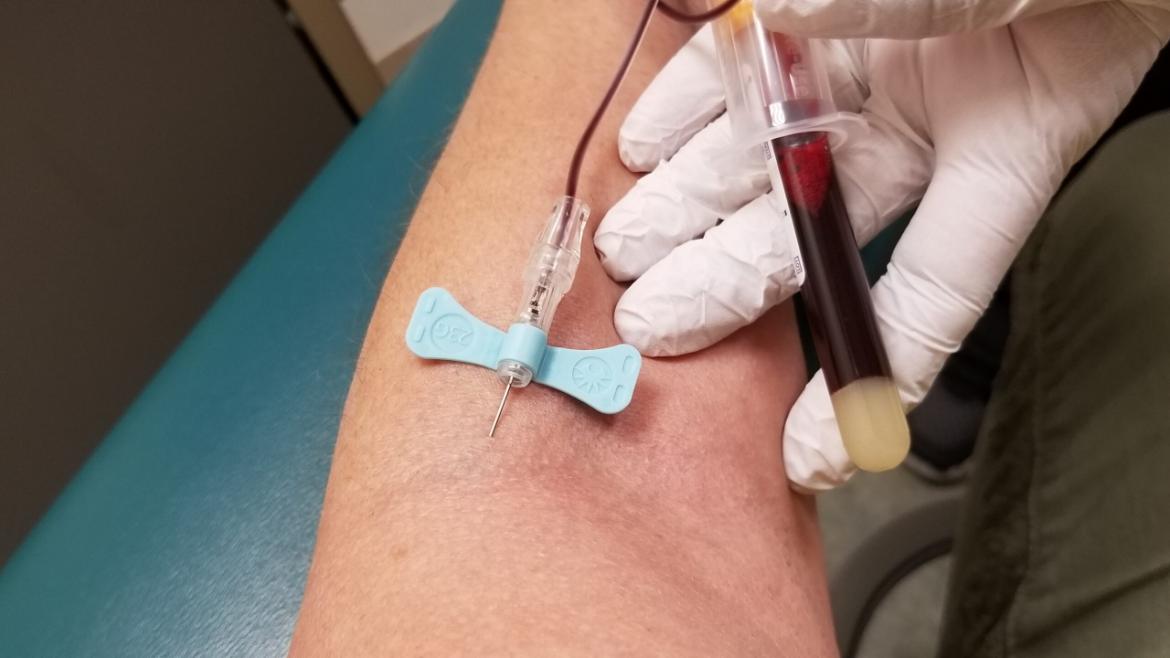
The sedimentation rate test is a simple blood test. The process involves a series of steps. A sample of blood is drawn from the patient. The blood is placed in a special tube and allowed to sit for a specific period of time. The rate at which the erythrocytes settle to the bottom of the tube is measured in millimeters. The results are evaluated based on the patient's age, gender, and general health.
Normal sedimentation rate may vary depending on age and gender. In general:
- In men: 0-15 mm/hour
- In women: 0-20 mm/hour
- In elderly individuals, slightly higher values may be considered normal.
An increase or decrease in the sedimentation rate can be an indicator of a disease. However, it's important to remember that the test result alone isn't sufficient to make a definitive diagnosis. Doctors typically interpret the sedimentation rate test in conjunction with other blood tests and clinical assessments. The sedimentation rate test is often evaluated in conjunction with the C-reactive protein ( CRP) test . CRP can more accurately measure inflammation levels in the body and provides faster results.
The sedimentation rate test is an important laboratory parameter in the healthcare sector and is widely used in the diagnosis and monitoring of inflammatory diseases, infections, and chronic conditions. While not sufficient to provide a definitive diagnosis on its own, when considered in conjunction with other clinical assessments, it helps monitor disease and plan treatment. Therefore, it remains one of the most frequently used, fundamental tests by healthcare professionals.
With hundreds of laboratory tests, including sedimentation testing, imaging methods, a team of expert physicians, and a well-equipped healthcare team, Özel Magnet Hospital is a healthcare center you can confidently choose for disease diagnosis. Contact us now to receive reliable healthcare services.
