


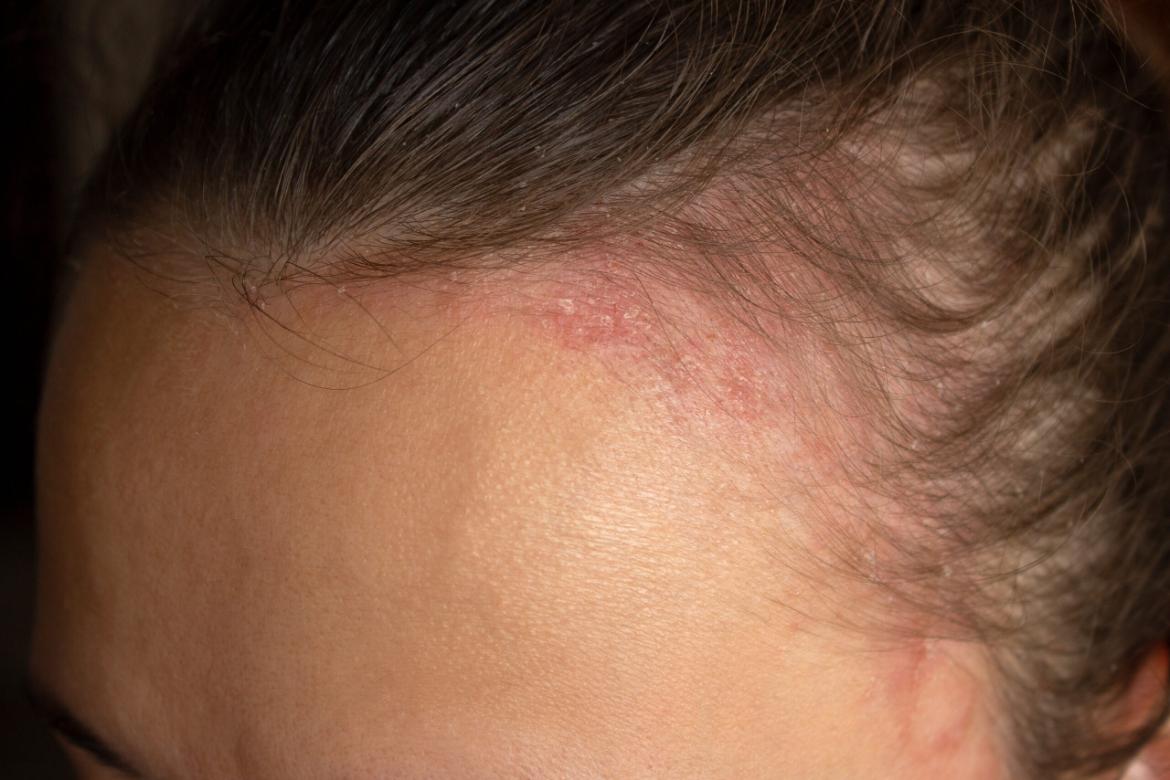
Seborrheic Dermatitis
Seborrheic dermatitis is a common skin condition. It typically occurs on the scalp, face, ears, chest, back, and other areas of the body where oil glands are concentrated. Seborrheic dermatitis is generally a chronic condition, and symptoms can recur.
Who is most commonly affected by seborrheic dermatitis?
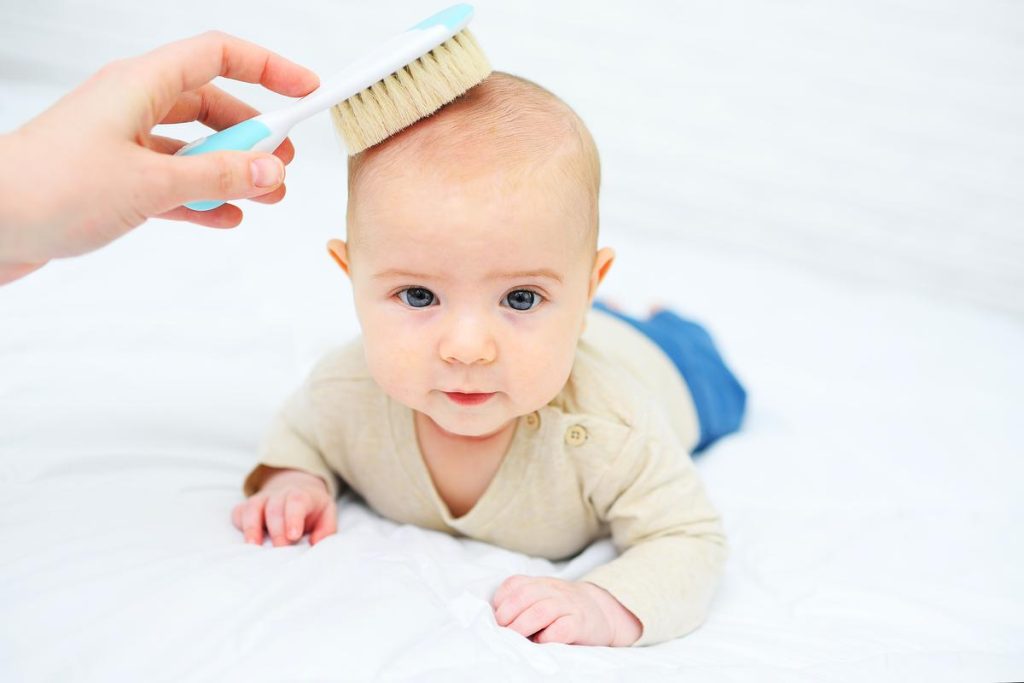
Seborrheic dermatitis can occur at any age, but it most commonly occurs from infancy to adulthood. Also known as "baby dandruff," seborrheic dermatitis in infants typically manifests as flaking and redness on the scalp, behind the ears, and on the forehead.
In adults, seborrheic dermatitis typically appears after puberty and can become more common with age. It's more common in men than women. Symptoms are particularly pronounced in areas with high concentrations of oil glands (the scalp, face, eyebrows, nose, chest, and back).
Seborrheic dermatitis is a genetic predisposition. People with a family history of seborrheic dermatitis are more likely to develop the condition. However, factors such as stress, hormonal changes, immune system problems, and certain health conditions (e.g., Parkinson's disease, HIV/ AIDS ) can also influence the incidence of seborrheic dermatitis.
However, it's important to remember that seborrheic dermatitis can occur in anyone. Anyone of any age can develop seborrheic dermatitis, but it tends to be more common in people with certain risk factors.
In which areas does seborrheic dermatitis occur most frequently?
Seborrheic dermatitis usually occurs in areas with a high concentration of oil glands. The most common areas are:
- Scalp: The scalp is the most common area where seborrheic dermatitis occurs. Symptoms include itching, redness, flaking, and an oily appearance.
- Face: Seborrheic dermatitis can occur in areas of the face, particularly the nose, eyebrows, forehead, and cheeks. Symptoms include itching, redness, flaking, and oily skin in these areas.
- Eyebrows: Seborrheic dermatitis can manifest as flaking and redness between the eyebrows, at the base of the eyebrows, and on the eyebrows. Itching and crusting may also occur.
- Behind the ears: Symptoms of seborrheic dermatitis may appear behind the ears, around the ears, or in the ear canal. These areas may include redness, flaking, and crusting.
- Chest and back: Seborrheic dermatitis can sometimes occur on the chest and back. These areas, where the oil glands are concentrated, can exhibit symptoms such as redness, flaking, and itching.
Seborrheic dermatitis can also occur in other areas of the body, but the areas mentioned above are the most commonly affected and where symptoms are more intense.
Causes of seborrheic dermatitis
- Malassezia fungus: An overgrowth of a type of fungus called Malassezia is thought to play a role in the development of seborrheic dermatitis. This fungus is normally found on the skin, but in some people, it can overgrow and cause skin irritation.
- Seborrheic dermatitis tends to occur more frequently when the sebaceous glands are overactive. Overactivity of the sebaceous glands can cause the skin to appear oily and have negative effects on the skin.
- Genetic predisposition: Seborrheic dermatitis can run in families. Genetic factors are thought to increase susceptibility to the disease.
- Hormonal changes: Hormonal changes can trigger the symptoms of seborrheic dermatitis. These symptoms may be more pronounced during puberty, pregnancy, and periods of hormonal fluctuation.
- Stress: Stress can contribute to the symptoms of seborrheic dermatitis. It's thought that stress can worsen seborrheic dermatitis symptoms by affecting the immune system.
- Immune system problems: A weak or suppressed immune system can be a risk factor for developing seborrheic dermatitis. Seborrheic dermatitis may occur more frequently in people with immune system problems.
A combination of these factors can cause the symptoms of seborrheic dermatitis to appear and recur. However, the factors may vary from person to person, and a specific cause cannot be definitively identified in every case.
Symptoms of seborrheic dermatitis
- Itching: Seborrheic dermatitis is an itchy skin condition. Itching can range from mild to severe and can sometimes be intense.
- Redness: Skin redness and irritation may occur in the affected areas. The redness is usually mild to moderate.
- Flaking: A hallmark of seborrheic dermatitis is dandruff, which manifests as flaking or flaking of the skin. Flaking is usually white or yellow and is particularly noticeable on the scalp, eyebrows, behind the ears, and face.
- Oily skin: Seborrheic dermatitis is often associated with oily skin. The affected areas may become oily and have a greasy appearance.
- Crusting: Scabbing or crust formation may occur on the skin. These crusts are usually oily and yellowish in color.
- Irritation: Mild to moderate irritation and tenderness may be felt in the affected areas.
Seborrheic dermatitis symptoms typically appear in areas with high concentrations of oil glands, such as the scalp, eyebrows, nose, ears, face, chest, and back. Symptoms are often chronic and relapsing, meaning they appear and remit periodically. Symptoms can vary from person to person and can vary in severity.
How is seborrheic dermatitis diagnosed?
Seborrheic dermatitis is usually diagnosed by clinical examination and symptom assessment. Some commonly used methods include:
- Patient history and symptoms: Your doctor will ask about your symptoms, including their onset, severity, and duration. They may also inquire about your family history, skin care habits, and other possible triggers.
- Physical exam: Your doctor will closely examine the affected skin areas, looking for redness, flaking, crusting, and other characteristic symptoms.
- Skin biopsy: In rare cases, a skin biopsy may be performed to rule out other skin conditions or to confirm a diagnosis. This procedure involves removing a small sample of tissue from the affected area and examining it under a microscope.
Seborrheic dermatitis can usually be diagnosed based on symptoms and physical examination findings. Additional testing is usually not needed. However, if symptoms are vague or if further diagnostic testing is needed to rule out other skin conditions, your doctor may order certain lab tests or a skin swab.
It's important to give your doctor a complete picture to ensure an accurate diagnosis and to rule out other possible skin conditions. A clear and detailed description of your symptoms and condition will help determine an accurate diagnosis and appropriate treatment plan.
How can seborrheic dermatitis be treated?
- Topical corticosteroid creams: For mild to moderate cases of seborrheic dermatitis, topical creams or lotions containing corticosteroids are often prescribed. These creams can help relieve skin redness, flaking, and itching. However, it's important to follow your doctor's instructions, as long-term use can have side effects.
- Antifungal shampoos: Antifungal shampoos can be used to control Malassezia fungal overgrowth. They can be especially effective for seborrheic dermatitis on the scalp and body. Your doctor will instruct you on which shampoo to use and how to use it.
- Keratolytic agents: Keratolytic agents can help shed skin cells. These types of products can help reduce flaking and crusting and give skin a more even appearance.
- Topical calcineurin inhibitors: In some cases, topical calcineurin inhibitors (e.g., tacrolimus or pimecrolimus) may be used to treat seborrheic dermatitis. These can help reduce inflammation and control symptoms. It's important to use them as directed by your doctor.
- Selenium sulfide, zinc pyrithione, and other active ingredients: Some special shampoos or lotions may contain active ingredients such as selenium sulfide and zinc pyrithione. These ingredients may help relieve symptoms of seborrheic dermatitis and control fungal overgrowth.
- Keeping oily areas clean: It's important to cleanse the affected areas regularly. You can do this using a mild cleanser or shampoo. However, harsh scrubbing or frequent washing can cause irritation, so it's important to cleanse gently.
In addition to treatment, the following lifestyle changes may also help control symptoms:
- Avoiding stress and practicing stress management techniques.
- Using a suitable moisturizer to keep the skin moist.
- Not washing hair and skin with extremely hot water.
- Avoiding irritants (e.g., products containing excessive alcohol, aggressive skin care products).
Seborrheic dermatitis is a chronic condition and cannot be cured completely. However, with appropriate treatment and regular skin care, symptoms can be kept under control.
Is seborrheic dermatitis contagious?
Seborrheic dermatitis is generally not contagious. It occurs due to an imbalance in the skin's natural microbiota and a combination of factors. People with this condition cannot spread seborrheic dermatitis to others.
10 tips for lifestyle changes and home care for seborrheic dermatitis
Below are 10 lifestyle changes and home care tips to relieve seborrheic dermatitis symptoms and prevent recurrences:
- Cleanse the skin regularly: Cleanse the affected areas regularly using a gentle cleanser or shampoo. It's important to cleanse gently rather than scrubbing harshly or washing frequently.
- Use a moisturizer: Use a hypoallergenic moisturizer to keep your skin hydrated. Moisturizer strengthens the skin's barrier and prevents moisture loss. Avoid moisturizers that are too oily.
- Avoid irritants: Avoid irritants like alcohol-based products, harsh skincare products, perfumed products, and excessive chemicals. Cleanse and moisturize your skin with gentle products.
- Avoid and manage stress: Stress can trigger symptoms of seborrheic dermatitis. Practice stress management techniques, engage in relaxation exercises, and try to reduce stress through activities like meditation or yoga.
- Protect yourself from the sun: Sun exposure can worsen symptoms of seborrheic dermatitis. When you go out in the sun, wear protective clothing, use sunscreen, and limit sun exposure.
- Take special care of your hair and scalp: Wash your hair regularly and choose appropriate shampoos. It's important to gently cleanse your scalp and remove excess oil. Avoid washing your hair with very hot water.
- Control the itch: You can apply cold compresses or use anti-itch lotions to relieve itching. However, avoid irritating your skin with your nails.
- Monitor your product use: Certain ingredients in skin care, hair products, and makeup can trigger symptoms of seborrheic dermatitis. Read product labels carefully and choose products that are suitable for your skin type.
- Pay attention to your diet: Some studies suggest that certain nutrients, such as omega-3 fatty acids and probiotics, may help relieve symptoms of seborrheic dermatitis. It's important to follow a healthy diet and consume skin-supportive foods.
- Regular follow-up with your doctor: Check in with your doctor regularly to monitor your symptoms and update your treatment plan. Follow your doctor's recommendations and follow your treatment plan regularly.
These tips can help relieve symptoms of seborrheic dermatitis and control recurrences. However, if your symptoms are severe or home remedies are not effective, it's important to seek help from a dermatologist.
