


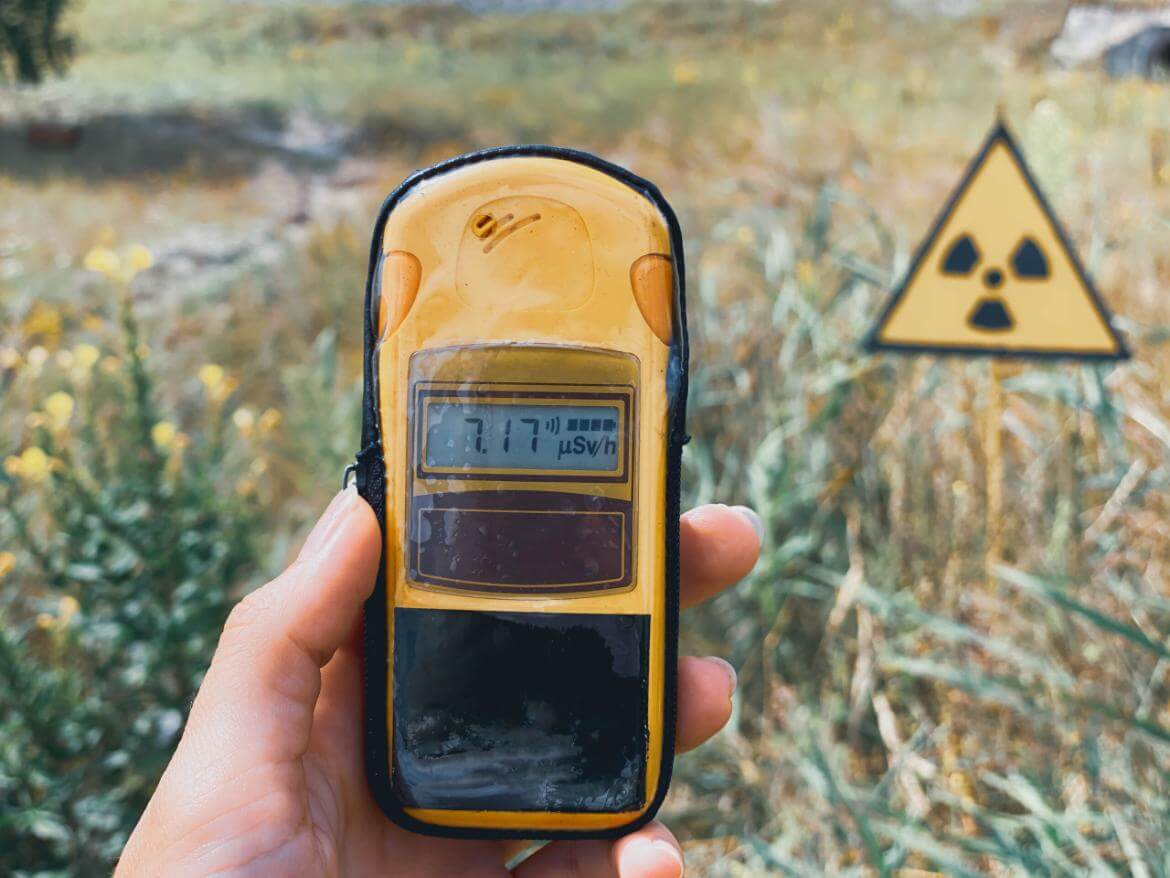
Radiation and Radiation Exposure
Radiation is the emission of energy in the form of electromagnetic waves or particles. This energy can arise from various processes, such as the decay of atomic or nuclear nuclei, the acceleration of electrons, or the interaction of electromagnetic fields. Radiation comes from natural or artificially generated sources.
Radiation is generally divided into two basic types:
- Ionizing Radiation : This type of radiation is energy carried by high-energy photons (gamma and X-rays) or charged particles (alpha particles, beta particles). This radiation has the ability to knock electrons off atoms, creating ionization. Ionizing radiation can originate from many sources, such as radiation from nuclear power plants or X-rays used in medical imaging procedures.
- Non-ionizing Radiation: This type of radiation lies in the lower energy levels of the electromagnetic spectrum. Examples include radio waves, microwaves, infrared rays, visible light, ultraviolet rays, and radio frequencies. This type of radiation does not ionize atoms, but it can cause effects such as heat or photosynthesis, leading to chemical reactions.
The effects of radiation on human health depend on various factors, including the type of radiation, dose, duration, and area of exposure. High doses or prolonged radiation exposure can damage cells and cause health problems. Therefore, it is important to control radiation exposure, implement radiation safety measures, and implement protective measures against radiation sources.
What are the Health Effects of Radiation?
The health effects of radiation can vary depending on the type of radiation exposure, its dose, and its duration, as well as a person's age, genetic makeup, and overall health. Below are a few examples of the potential health effects of radiation:
Effects of Ionizing Radiation:
- Cancer: High doses or prolonged exposure can damage cell DNA, leading to the development of cancer. The risk of cancer may be particularly increased in events such as long-term exposure to radioactive materials or nuclear accidents.
- Genetic Effects: Radiation can cause DNA damage in sperm or egg cells, increasing the risk of hereditary disorders or congenital abnormalities.
Effects of Non-Ionizing Radiation:
- Thermal Effects: When high levels of radiation are absorbed as heat energy, tissue may become heated, leading to burns, tissue damage, or thermal stress.
- Eye and Skin Damage: Long-term exposure to sunlight or intense ultraviolet (UV) rays from artificial sources can lead to eye cataracts or skin damage such as skin cancer.
The health hazards of radiation vary depending on the radiation dose and the duration of exposure. The risk is generally low for low doses of radiation or short-term exposure. However, more serious effects can occur with high doses of radiation or long-term exposure.
The precautions required to protect against radiation exposure may vary depending on the type of radiation source and the environment in which exposure occurs. Taking radiation safety precautions helps minimize radiation dose and reduce health risks.
Various safety measures are taken to minimize the effects of radiation and protect people. Radiation safety protocols and restrictions are implemented in nuclear power plants, medical devices, and industrial applications. It is important to control radiation dose, use protective clothing, shields, or take precautions such as distancing measures. When using radiation for medical purposes, it is important to determine the correct dosage, taking into account the risks and benefits.
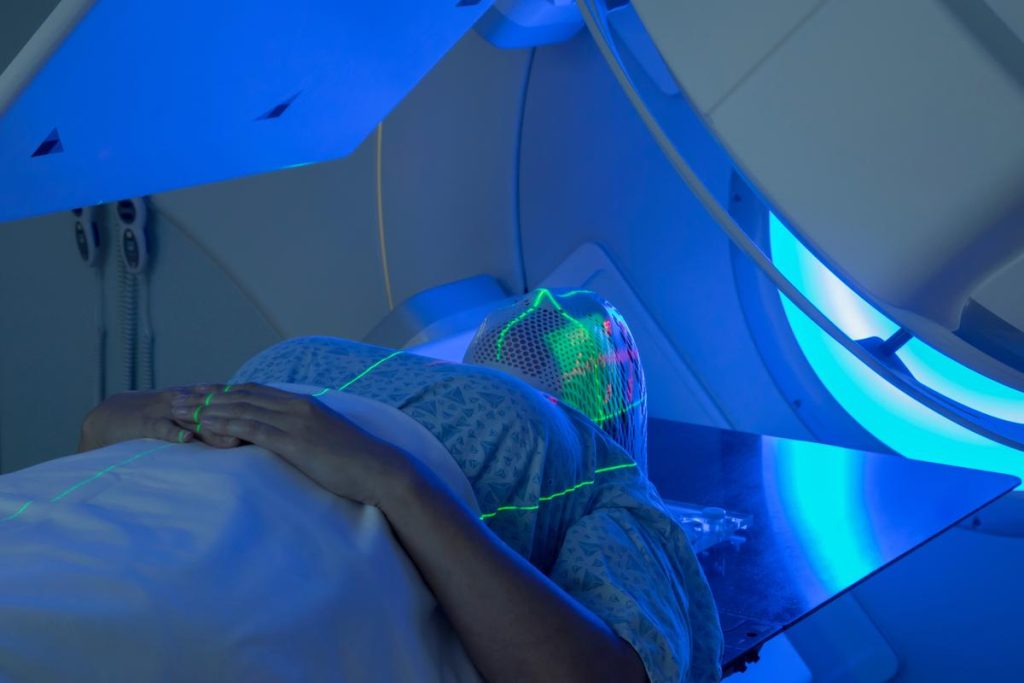
How can we protect ourselves from radiation?
- Reduce Exposure Time: Staying away from radiation sources or limiting exposure time is one of the most effective ways to reduce radiation risk. Prolonged exposure should be avoided, especially in nuclear power plants or environments where radioactive materials are handled.
- Move Away: It's important to stay as far away from radiation sources as possible. The closer you get to a radiation source, the greater the amount of radiation exposure. Therefore, you should stay as far away as possible, especially in hazardous areas or areas with high radiation levels.
- Use Personal Protective Equipment: People exposed to radiation sources should wear appropriate personal protective equipment. This may include protective clothing, goggles, or a mask. Using equipment recommended by experts can help reduce radiation risk.
- Follow Radiation Safety Precautions: Anyone who works in radiation environments or comes into contact with radiation sources must follow appropriate radiation safety precautions. This means receiving training, following instructions, heeding signs and warnings, and adhering to safety protocols.
- Conduct Medical Interviews and Checkups: Individuals exposed to radiation in medical settings should attend regular medical interviews and checkups to monitor their radiation exposure and monitor their health. This allows professionals to identify any potential effects and take necessary precautions.
What Types of Radiation Are Dangerous?
Among the different types of radiation, some have a higher potential for danger than others. Some types of hazardous radiation include:
- Alpha Particles: Alpha particles consist of two charged protons and two neutrons. Because they are larger and heavier than other types of radiation, they have a shorter effective range and lower dispersion power. However, if alpha particles penetrate body tissues, they can cause localized cell damage by transferring significant energy. They can be more hazardous if the substances they contain are inhaled, ingested, or come into contact with them.
- Beta Particles : Beta particles are charged particles called electrons or positrons. Because they are smaller and lighter than alpha particles, they have a greater effective range. High-energy beta particles can cause burns on the skin or penetrate tissues, causing cell damage. They can also accumulate in the body and damage internal organs.
- Gamma Rays: Gamma rays are a form of electromagnetic waves and have high energy. They have high permeability and long range, allowing them to penetrate deeply into tissues. Gamma rays can cause DNA damage in cells and increase the risk of cancer. Furthermore, exposure to high doses can lead to serious health problems, tissue damage, and organ failure.
- X-Rays: X-rays are a form of electromagnetic waves and, similar to gamma rays, have high energy. They are widely used for medical imaging and other diagnostic purposes. However, exposure to high doses can cause cell damage, cancer, and genetic effects.
The hazards of these types of radiation are related to the dose and duration of exposure. High doses or prolonged exposure can lead to serious health problems. Therefore, protection from radiation sources and radiation safety measures are important.
