


Protein: Its Functions and Importance
Protein , composed of amino acids, is the essential building block of our bodies. Proteins serve many functions in the human body. Our bodies cannot produce certain proteins on their own. Therefore, they must be consumed in sufficient amounts through diet. However, excessive intake can also be harmful. In this column, we will share information about the importance of proteins, their functions, benefits, harms, potential problems arising from their deficiency, and the foods they are found in.
What is Protein and What Are Its Functions?
Protein is an organic compound composed of many amino acids. There are approximately 20 amino acids that make up a protein. The sequence of amino acids determines the protein's function.
If we talk about the functions of protein;
- Building and strengthening tissue.
- Repairing and regenerating damaged tissues.
- Transport of molecules in the body.
- Strengthening the immune system.
- To ensure regulation of metabolism.
- To provide the body's energy needs.
- Making nitrogen available to the body.
- To ensure the development of muscle mass.
Food Sources Containing Protein?
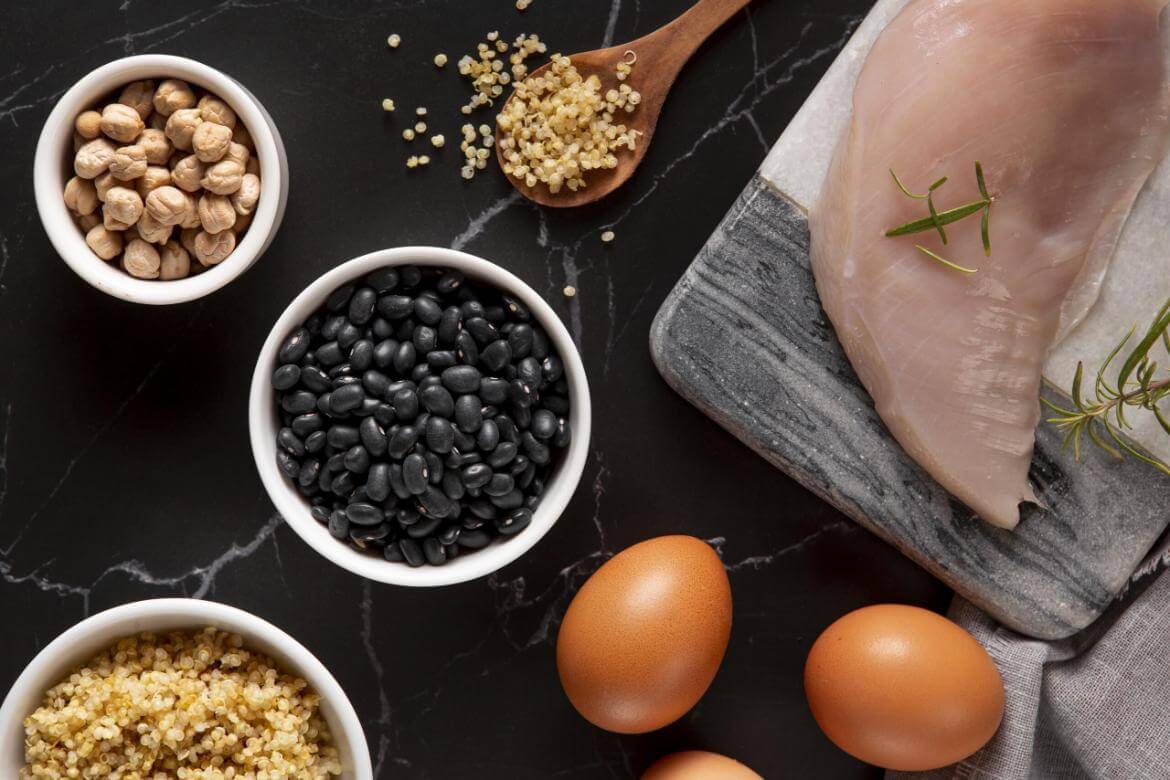
Protein is one of the body's fundamental building blocks and contributes to many important functions, including muscle development, immune system function, and hormone production. It's important to choose a variety of food sources to ensure adequate protein intake. Here are some protein-containing food groups and examples:
Animal Protein Sources
- Meat : Red meat (beef, lamb) and white meat (chicken, turkey) contain high amounts of protein. For example, 100 grams of chicken breast provides about 31 grams of protein.
- Fish : Fatty fish such as salmon, tuna, and sardines are high in protein along with omega-3 fatty acids. 100 grams of salmon contains approximately 25 grams of protein.
- Eggs : Eggs are an excellent source of protein. One large egg contains about 6 grams of protein and also boasts a nutritious profile.
- Milk and Dairy Products : Products like milk, yogurt, and cheese are rich in protein. For example, 200 ml of milk contains about 6-7 grams of protein.
Plant Protein Sources
- Legumes : Legumes such as lentils, chickpeas, and beans are rich in both protein and fiber. 100 grams of boiled lentils provide about 9 grams of protein.
- Nuts and Seeds : Nuts like almonds, walnuts, chia seeds, and flaxseeds are also good sources of protein. For example, 100 grams of almonds contain about 21 grams of protein.
- Whole grains : Whole grains like quinoa, oats, and brown rice also provide protein. 100 grams of cooked quinoa contains about 4 grams of protein.
Consuming a variety of protein sources for a balanced diet is important to meet the body's amino acid needs. By incorporating both animal and plant-based sources into your diet, you can ensure optimal protein intake for both health and performance. In addition to nutrients, adequate water intake and healthy fats should also be part of a balanced diet.
Difference Between Animal and Plant Protein?
There are differences in the amino acid sequence between plant and animal proteins: Animal protein contains a balanced supply of all essential amino acids, but some plant proteins lack certain amino acids. Most plant-based protein foods are quite low in methionine, tryptophan, lysine, and isoleucine. However, some plant proteins, such as quinoa and buckwheat, contain all the essential amino acids found in their protein.
The nutritional values of animal protein are slightly higher: Animal proteins are richer in vitamin B12 , vitamin D, omega-3 fatty acids, iron and zinc.
The health benefits of plant protein: Plant protein protects against health problems such as heart disease, diabetes, and obesity. It contains fiber and has digestive-protective properties.
Health benefits of animal protein: Some animal protein-containing foods can help with weight loss and muscle mass. However, excessive consumption of animal protein, especially processed meat (deli meats), can increase cholesterol and the risk of heart disease.
What are the Protein-Containing Foods for Vegans?
One of the most common questions vegans face these days is, "So how do you get your protein?" Contrary to popular belief, vegans can also meet their protein needs by choosing the right food groups.
The main protein sources for vegans are;
- Lentil Tofu
- Kidney bean
- Quinoa
- Soy Milk
- Pea
- Artichoke
What are the benefits of protein intake?
- Protein-rich foods keep you full.
- It helps maintain muscle mass and strengthen muscles.
- It helps reduce muscle loss that may occur while losing weight.
- It protects the bones.
- It allows you to spend the day more energetically.
- It accelerates metabolism.
- It helps in controlling high blood pressure and bad cholesterol.
- It helps you recover faster after injury.
- It reduces muscle loss due to aging.
Is Consuming Too Much Protein Harmful?
While protein is the cornerstone of our bodies, excessive consumption can be harmful. The ideal amount of protein should comprise approximately 30% of your daily calories. It's been reported that excessive protein intake over the long term can lead to the following conditions.
- Constipation
- Dehydration
- Kidney damage
- Increased risk of cancer
- Heart diseases
- Calcium and bone loss
- Liver complications
Symptoms of Protein Deficiency?
Protein deficiency can negatively impact various bodily functions. Symptoms typically arise from inadequate protein intake. Here are some common symptoms of protein deficiency:
Muscle Loss
- Explanation : Inadequate protein intake can lead to decreased muscle mass. The body may break down muscle tissue to meet its energy needs.
Fatigue and Low Energy
- Description : Protein plays an important role in energy production. A deficiency can lead to general feelings of fatigue and weakness.
Immune System Weakness
- Explanation : Adequate protein intake is essential for proper immune system function. A deficiency can lead to reduced resistance to disease.
Skin, Hair and Nail Problems
- Description : Protein is essential for healthy skin, hair, and nails. A deficiency can lead to hair loss, dry skin, or brittle nails.
Edema (Swelling)
- Explanation : Protein deficiency can cause protein levels in the blood plasma to drop. This can lead to fluid retention, which can lead to edema.
Emotional Changes
- Explanation : Low protein intake can lead to mood swings and conditions like anxiety and depression. In the brain, protein plays a role in the production of certain neurotransmitters.
Slow Injury Healing
- Explanation : When the body is injured or infected, not getting enough protein can slow down the healing process.
Growth and Development Problems
- Explanation : Protein deficiency, especially in children and adolescents, can lead to growth and developmental delays.
Digestive Problems
- Explanation : Inadequate protein intake can cause digestive problems, particularly affecting gut health.
Protein deficiency can have significant negative effects on overall health. These symptoms are particularly common in individuals who are malnourished or on vegan or vegetarian diets. If you experience any of these symptoms, it's important to consult a healthcare professional. Increasing your protein intake through a proper diet plan can help alleviate these issues.
Diseases Caused by Protein Deficiency?
Protein deficiency can negatively impact many bodily functions and lead to various health problems. Here are some diseases and conditions that can result from protein deficiency:
Kwashiorkor
- It develops due to inadequate protein intake. It is particularly common in children and manifests with symptoms such as abdominal distension, skin rashes, hair loss, and edema.
Marasmus
- It's caused by excess calories and a lack of protein. Symptoms include extreme weight loss, muscle wasting, and loss of energy.
Immune System Weakness
- Inadequate protein intake leads to a weakened immune system, which increases susceptibility to infections.
Muscle Loss
- The body may use muscle tissue to meet its energy needs, resulting in muscle loss and weakness.
Hormonal Irregularities
- Protein is essential for hormone synthesis. A deficiency can lead to hormonal imbalances.
Skin Problems
- Protein deficiency can negatively impact skin health, causing dryness, rashes and slow wound healing.
Growth and Developmental Delays
- Inadequate protein intake, especially in children, can lead to growth and development problems.
Anemia
- Inadequate protein intake can affect the production of red blood cells, causing anemia.
Memory and Concentration Problems
- Inadequate protein intake can negatively affect brain function, leading to mental fatigue and difficulty concentrating.
Edema
- Protein deficiency can disrupt body fluid balance and cause edema.
It's important to increase your protein intake and follow a balanced diet to avoid these problems. If you're concerned about your protein intake, it might be a good idea to consult a nutritionist or doctor.
Protein Intake During Pregnancy
During pregnancy, babies receive all their nutrients from their mothers. Protein is one of the most essential nutrients for babies. Protein plays a crucial role in the full and proper development of their bones, muscles, and tissues.
Protein is important for new cell production, healthy maternal tissues, and healthy blood production. It also reduces the risk of stillbirth and birth defects during pregnancy. Therefore, pregnant women should consume a full and complete amount of protein. It's important to consult a doctor or nutritionist regarding protein intake during pregnancy, taking into account individual needs and health conditions.
