


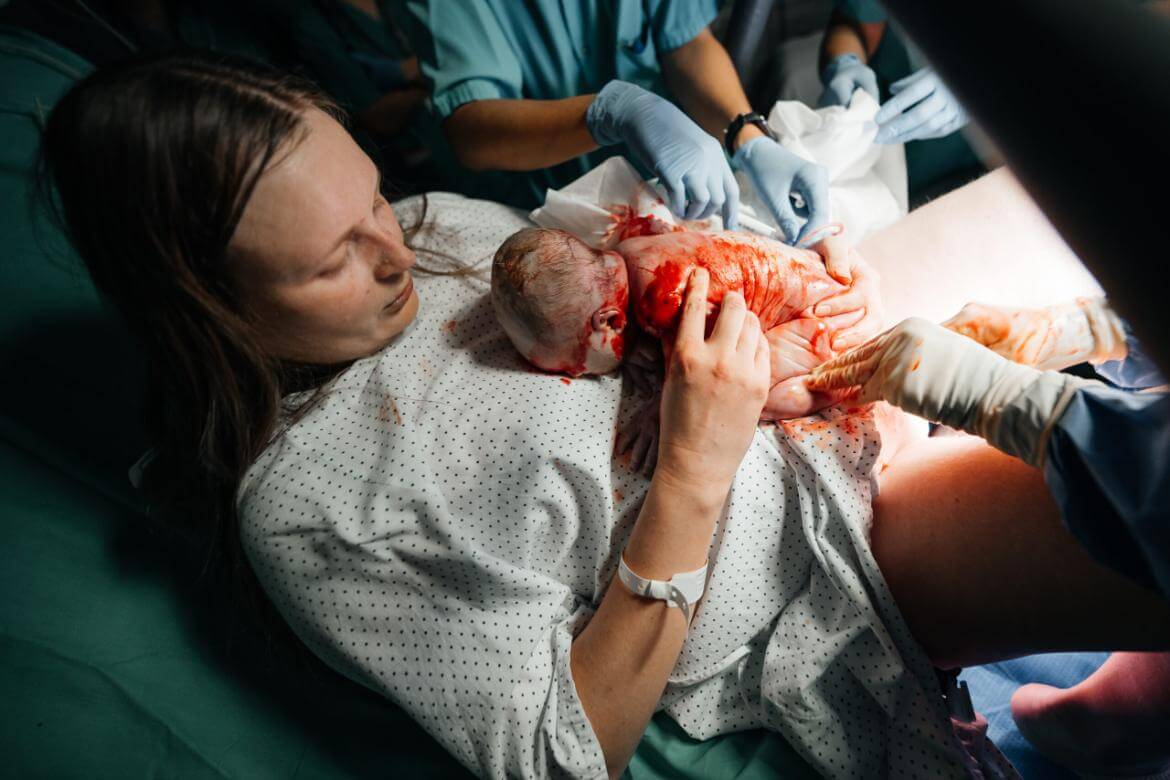
Postpartum Hemorrhage
Postpartum hemorrhage, or postpartum bleeding, is a condition in which vaginal bleeding occurs after childbirth. This bleeding can often continue for several weeks after delivery. It may be heavy initially, but it will decrease over time and may have a menstrual-like odor. This bleeding is a normal part of the postpartum recovery process and generally does not lead to serious complications.
Causes of postpartum bleeding
Causes of postpartum bleeding may include:
- Lochia rubra: This type of bleeding, often bright red and seen in the first days after birth, can present with symptoms similar to menstrual bleeding and may be accompanied by clots.
- Blood loss due to birth trauma: Bleeding can occur if the uterus or vagina is injured before or during birth. These traumas can also be triggered by the use of chemicals or surgical procedures.
- Atonic blood loss: Bleeding can occur after birth if the uterine muscles fail to contract normally. These muscles may contract irregularly or inadequately.
- Lochia serosa: This brown or pinkish bleeding can be seen in the first weeks of the postpartum period and can last up to 6 days.
- Blood loss due to infection: Infections can occur due to poor hygiene or inadequate perineal care by the mother. These infections can spread rapidly and cause increased bleeding.
- Lochia alba: This type of bleeding begins after the seventh day of the postpartum period and lasts approximately three weeks. The amount of blood may be high initially, but it gradually turns yellow.
- Placenta retained in the uterus: If the placenta is not completely expelled after birth or if parts of it remain in the uterus, bleeding may occur.
Since postpartum bleeding is an important issue for the health of the mother and baby, it is important to consult a healthcare professional in case of any abnormal bleeding.
What is the duration of postpartum bleeding?
The duration of postpartum bleeding is usually as follows:
- The first few days: Postpartum bleeding begins immediately after birth, with bright red blood called lochia rubra. This period often resembles a menstrual period.
- About a week: Bleeding is usually heavy during the first week and then begins to decrease in amount.
- Second week: The color of the blood turns pink or brown and the amount decreases further.
- Week three: Postpartum bleeding may still continue, but the amount should have decreased further.
- By the end of the second month: Postpartum bleeding can last up to 6 weeks or 40 days. However, this process usually ends sooner.
If the duration of postpartum bleeding exceeds these normal periods or if there is excessive bleeding, a healthcare professional should be consulted.
How to understand postpartum bleeding?
Symptoms of postpartum hemorrhage may include:
- Uncontrolled bleeding: Uncontrolled bleeding is observed that is above the amount expected during the normal postpartum period.
- Decreased blood pressure: Blood pressure may drop due to bleeding, which can lead to symptoms such as dizziness or fainting.
- Decreased heart rate: The heart rate may slow down due to blood loss.
- Low red blood cell count: Insufficient red blood cell levels can lead to symptoms of anemia, which may include paleness, weakness, and fatigue.
- Swelling and pain in the vaginal area: In case of abnormal bleeding, swelling and pain may occur in the vaginal area.
- Nausea and vomiting: Severe blood loss can cause nausea and vomiting.
- Blood pressure imbalance: Blood pressure imbalances may occur due to bleeding.
- Fatigue: Excessive blood loss can lead to feelings of severe fatigue.
- Fever: Fever may occur due to infection or other complications.
- Urination problems: Imbalanced functioning of the uterine muscles can cause urination problems.
Additionally, if bleeding persists or is abnormally heavy after 40 days of postpartum, it's important to consult an obstetrician. Such symptoms could indicate a serious health problem and may require professional medical attention.
How is postpartum hemorrhage diagnosed?
- Observation: A postpartum woman's bleeding is carefully observed. The amount, color, and duration of bleeding are monitored. Normally, bleeding should decrease throughout the postpartum period, changing from a dark, bright red to a light yellow-brown color. During this period, the blood's viscosity should change from fluid to a mucous-like consistency.
- Gynecological exam: A gynecologist or obstetrician may perform an exam to determine the cause of bleeding and diagnose any complications. This exam will examine the uterus and vaginal area.
- Ultrasound exam: The doctor may perform an ultrasound exam to detect any abnormalities in the uterus or pelvic area.
- Blood tests: Blood tests may be done to determine the extent of blood loss and the levels of red blood cells in the body.
- Endoscopy : In rare cases, endoscopy or other imaging methods may be used to examine the inside of the uterus.
Postpartum bleeding is generally not a problem if it occurs within the normal postpartum period and is within normal limits. However, if bleeding is abnormal or excessive, or is accompanied by certain symptoms, a healthcare professional should be consulted immediately. This is important for early diagnosis of any potential complications.
How is postpartum bleeding treated?
Treatment for postpartum hemorrhage can vary depending on its cause and severity. Methods used to treat postpartum hemorrhage include:
- Uterine Cleansing (Uterine Curettage): In cases of bleeding caused by the placenta or other tissue remaining inside the uterus, doctors often perform a uterine cleansing procedure. This procedure is performed to remove foreign objects and tissue from the uterus.
- Uterine muscle stimulants: Medications such as oxytocin may be used to encourage proper uterine muscle contractions. This can help control bleeding by increasing uterine contractions.
- Stitches: Stitches may be used to repair vaginal or cervical tears.
- Blood transfusion: If excessive blood loss occurs, doctors may perform a blood transfusion to replace the lost blood in the body.
- Hysteroscopy: Rarely, a procedure called hysteroscopy may be used to detect and treat intrauterine injuries or abnormalities.
- Hysterectomy: In very rare cases, if postpartum bleeding is uncontrollable or causing serious complications, removal of the uterus may be necessary. This is called a hysterectomy and is used as a last resort.
In general, treatment for postpartum hemorrhage depends on your doctor's assessment of the cause of the bleeding and the selection of appropriate treatment methods. Treatment may vary depending on the cause, severity, and overall health of the patient. Therefore, it is important to consult a healthcare professional if you experience any symptoms of postpartum hemorrhage or if bleeding is uncontrollable.
Risks of postpartum hemorrhage
- Excessive blood loss: Excessive blood loss can lead to severe fluid and blood loss. This can increase the risk of anemia.
- Weakness : Blood loss can make the mother feel weak and lower her energy level.
- Stress: Heavy bleeding can increase a mother's stress level and lead to emotional difficulties.
- Affecting breast milk production: Excessive blood loss can negatively affect breast milk production and make breastfeeding difficult.
- Imbalances: Imbalances in the uterine muscles can make bleeding difficult to control and can lead to serious consequences.
- Low blood pressure and fainting: Excessive blood loss can lower blood pressure, increasing the risk of fainting.
- Headache: Anemia resulting from blood loss can cause headaches.
- Hair loss and skin pallor: Anemia can lead to hair loss and skin pallor.
- Risk of infection: Due to bleeding, maintaining hygiene may become difficult and the risk of infection may increase.
Therefore, if postpartum bleeding is uncontrollable or abnormally heavy, a healthcare professional should be consulted immediately. Early diagnosis and treatment can help minimize such risks.
What you need to know about postpartum bleeding
Things to consider about postpartum bleeding:
- Call for emergency help in case of excessive bleeding: If the amount of bleeding is above normal or too much to control, call a healthcare professional or go to the emergency room immediately.
- Prolonged bleeding: If postpartum bleeding continues for longer than normal, you should contact your doctor and go for a check-up.
- Don't use tampons: Don't use tampons for postpartum bleeding. Instead, use pads recommended by your doctor or healthcare provider.
- Monitor bleeding: Monitor bleeding regularly. If bleeding increases or is abnormal, seek immediate medical attention.
- Personal hygiene: Pay special attention to personal hygiene during the postpartum period. However, do not wash the vaginal area with products such as soap, shampoo, or shower gel. This can disrupt the pH balance. Use lukewarm water for cleansing and dry carefully.
- Avoid using wet wipes: Avoid using wet wipes as these types of products can also disrupt the vaginal pH balance.
- Don't neglect urination: Don't delay urination and urinate frequently. This can help the uterine muscles contract properly.
- Follow your doctor's instructions: Carefully follow the care and treatment instructions recommended by your doctor during the postpartum period.
