


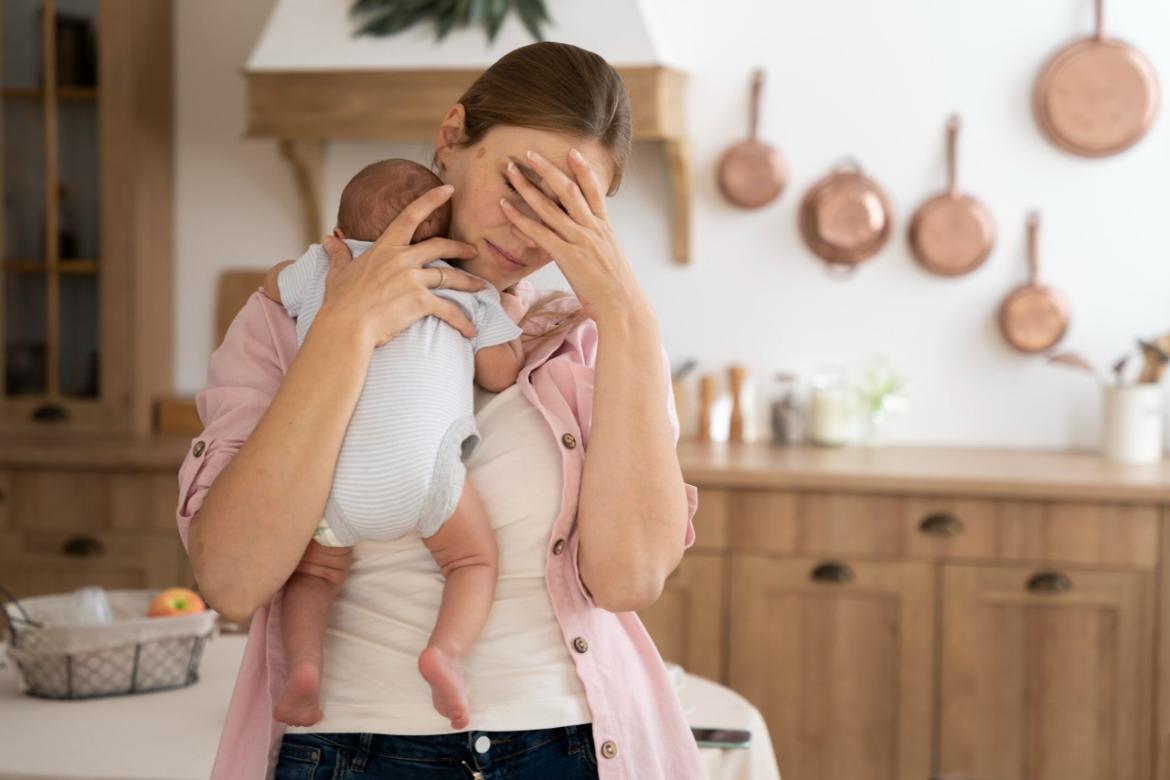
Postpartum Depression
Postpartum depression is a severe emotional and psychological depression experienced by a woman after childbirth. It typically begins within the first six months after birth, but in some cases, it can persist for up to a year after birth.
Postpartum depression can be caused by a number of factors, including postpartum hormonal fluctuations, physical and emotional exhaustion, sleep deprivation, and difficulties adjusting to the baby. However, the exact causes are not clearly defined and may have a complex etiology.
Postpartum depression symptoms
Symptoms of postpartum depression include a variety of emotional and physical symptoms that occur after birth and affect a woman's daily life, maternal duties, and mood. These symptoms typically begin within the first six months after birth, but in some cases, they can last up to a year after birth. Common symptoms of postpartum depression include:
- Constant feeling of sadness and helplessness: Constantly feeling sad, helpless and hopeless.
- Loss of interest and pleasure: Inability to take pleasure in or show interest in activities previously enjoyed.
- Extreme fatigue and lack of energy: Frequently feeling tired and sluggish, with a decrease in energy levels.
- Insomnia or hypersomnia: Tendency to experience insomnia or excessive sleeping.
- Appetite changes: Abnormalities in eating habits, loss of appetite or overeating.
- Feelings of guilt or worthlessness: Constantly feeling guilty or worthless, or feeling unable to fulfill maternal duties.
- Anxiety or worry: Constant worry, anxiety, panic attacks.
- Lack of interest or indifference towards the baby : Difficulty in bonding with or caring for the baby.
- Abnormal behaviors: Thoughts or attempts to harm oneself or the baby.
- Focus and memory problems: Mental confusion, difficulty concentrating, and memory problems.
- Social withdrawal: Withdrawing from social relationships and avoiding participation in social activities.
- Physical symptoms: Frequent headaches, stomachaches, or other physical discomfort.
Postpartum depression differs from the natural and normal emotional fluctuations women experience and can significantly impact daily functioning. Women experiencing any or more of these symptoms should seek help and support from a healthcare professional. Left untreated, postpartum depression can negatively impact the health of both mother and baby. Early diagnosis and treatment can accelerate recovery and improve a woman's quality of life.
Causes of postpartum depression
The exact causes of postpartum depression have not been clearly determined and are thought to arise from a combination of factors. These may include biological, hormonal, psychological, and environmental factors. Potential contributing factors include:
- Hormonal changes: During pregnancy, a woman's body experiences significant hormonal changes. After birth, these hormones (especially estrogen and progesterone levels) decline rapidly. It's thought that these hormonal fluctuations may affect chemical balances in the brain, increasing the risk of depression.
- Genetic predisposition: Women with a family history of depression may be at increased risk for postpartum depression. Genetic factors are thought to play a significant role in the development of depression.
- Psychosocial stress: The psychosocial stresses faced by new mothers play a significant role in the postpartum period. Factors such as sleep deprivation, difficulty adjusting to the baby, adjusting to the role of motherhood, changes in family relationships, and financial difficulties can all increase a woman's stress levels.
- Emotional and spiritual preparation: Some women may not be emotionally prepared for pregnancy and motherhood, which can increase their risk of postpartum depression.
- Birth experience: A difficult birth experience, a traumatic birth, complications, or unexpected events can increase the risk of depression in mothers.
- Social support: Women without a sufficient social support network may be at risk for postpartum depression. Having a good support system can reduce the risk of depression.
- A history of previous depression: Women who have had depression in the past may be prone to relapse in the postpartum period.
- Postpartum physical health problems: Physical complications or health problems after childbirth can also increase a woman's risk of depression.
Postpartum depression has a complex etiology, with different factors at play in each woman. Therefore, while it's impossible to completely prevent postpartum depression, early diagnosis and treatment are crucial to mitigate its effects and promote recovery.
How is postpartum depression diagnosed?
A consultation with a healthcare professional is usually necessary to accurately diagnose postpartum depression. A diagnosis of postpartum depression is based on the patient's symptoms, history, and physical examination. Below are general steps for diagnosing postpartum depression:
- Assessing symptoms: A healthcare provider will conduct a detailed interview with the woman to assess the signs and symptoms she is experiencing during the postpartum period. This interview will include inquiring about her mood, sleep patterns, appetite, energy level, and other physical and emotional states.
- Postpartum depression questionnaires: Healthcare providers can use standardized questionnaires and assessment tools to diagnose postpartum depression. These questionnaires can provide more accurate information about a woman's symptoms and severity of depression.
- Pregnancy and Birth History : The healthcare provider will assess the woman's prenatal and labor history. This will include any previous history of depression, difficulties experienced during pregnancy, birth experience, and other relevant factors.
- Physical exam: The healthcare provider can assess the woman's physical health and detect possible physical complications after birth.
- Ruling out other medical conditions: To diagnose postpartum depression, other medical conditions (such as thyroid problems) and other psychiatric disorders (such as anxiety disorders) must be excluded.
- Ancillary tests: If deemed necessary, the healthcare provider may order additional tests, such as certain laboratory tests and a physical examination.
Diagnosing postpartum depression should be done accurately and meticulously by a qualified healthcare professional. If postpartum depression is diagnosed, treatment planning and support are provided to support the woman's recovery. A supportive environment and support from loved ones can also play a significant role in the treatment process.
Postpartum depression treatment
Postpartum depression treatment requires a multidisciplinary approach to alleviate a woman's symptoms, improve her emotional well-being, and improve her daily functioning. The following methods and treatment options are available for postpartum depression treatment:
- Psychotherapy: Individual or group therapy plays an important role in the treatment of postpartum depression. Therapy helps women develop coping skills to cope with emotional difficulties and stress. Various therapy methods, such as cognitive behavioral therapy (CBT), cognitive therapy, and supportive therapy, may be used.
- Antidepressant medications: Antidepressant medications prescribed by a psychiatrist or doctor can help regulate a woman's mood and relieve symptoms. If a mother must breastfeed while taking antidepressants, appropriate medications are preferred and should be used under the supervision of a doctor.
- Support groups: Support groups that help connect women with other women coping with postpartum depression can help women find emotional support and understanding.
- Social support: The supportive role of close people, such as family members, friends, and spouses, is important. Social support positively impacts a woman's emotional well-being and recovery process.
- Exercise and nutrition: Regular physical activity and a balanced diet can improve a woman's mood and overall health.
- Sleep patterns and stress management: Establishing adequate and regular sleep habits and learning and applying stress coping methods can be beneficial in the treatment of postpartum depression.
Postpartum depression treatment is individualized, and each woman's needs may vary. Treatment is tailored to the woman's symptoms, severity, support system, and other individual factors. Early diagnosis and treatment can reduce the effects of postpartum depression and improve a woman's quality of life.
In what cases should you consult a doctor for postpartum depression?
- If symptoms persist for a long time: If postpartum emotional difficulties, sadness, hopelessness, loss of interest, sleep disturbances and other symptoms persist for more than 2 weeks, a doctor should be consulted.
- If it affects functioning: If symptoms of postpartum depression seriously affect daily life, motherhood duties, or functioning, a healthcare professional should be consulted.
- If there is low energy and loss of interest : If symptoms such as fatigue, lack of energy and loss of interest are different from the normal postpartum fatigue and are extreme, it is important to consult a specialist.
- If you have thoughts of harming yourself or your baby: If you have thoughts or attempts to harm yourself or your baby, you should contact a healthcare professional immediately.
- If you are experiencing difficulties in social relationships: If you are experiencing difficulties in relationships, conflicts, or social withdrawal, it is important to consult a doctor.
- If you experience intense anxiety and panic attacks: If you have persistent anxiety, worry or panic attacks, it is important to seek support from a healthcare professional.
- If there are difficulties in breastfeeding and baby care: If there are difficulties and concerns about the breastfeeding process and caring for the baby, it may be helpful to share them with a healthcare professional.
- Have a history of depression: Women who have had depression in the past may be at increased risk for postpartum depression. Therefore, women who have had depression in the past should consult a healthcare professional if they experience symptoms.
It's important to remember that postpartum depression is a serious condition and requires treatment. If a woman or someone close to her is experiencing these symptoms, it's important to seek support and help from a healthcare professional.
Can postpartum depression be prevented?
While postpartum depression cannot be completely prevented, some preventative measures can be taken to reduce the risk. These preventative measures aim to support a woman's physical and emotional health during pregnancy and the postpartum period. Some methods that can help reduce the risk of postpartum depression include:
- Regular health checkups during pregnancy: It's important to attend regular health checkups and closely monitor the pregnancy progress. This allows for early identification of potential risk factors or psychosocial stressors and the ability to take preventative measures.
- Social support: It's important to build a strong social support network for women during pregnancy and the postpartum period. Family members, friends, and a partner can help women find emotional support and feel more comfortable with being alone.
- Psychological preparation before pregnancy: It's beneficial for expectant mothers to strive to be emotionally and spiritually prepared before pregnancy. By learning about pregnancy and motherhood, expectant mothers can prepare for the emotional challenges and changes.
- Planning for postpartum support: Creating a plan for how to receive support during the postpartum period can reduce a woman's stress levels. Arrangements can be made for a partner, family members, or friends to assist the woman during the postpartum period.
- Physical activity and nutrition: Regular physical activity and a balanced diet during pregnancy can positively affect a woman's physical and emotional health.
- Postpartum follow-up: It's important to ensure regular follow-up and check-ups during the postpartum period. This allows for early diagnosis of postpartum depression symptoms and the initiation of treatment.
- Sleep patterns and stress management: Paying attention to sleep patterns and developing stress coping skills during pregnancy and the postpartum period can reduce the risk of depression.
Preventive steps are important to mitigate the effects of postpartum depression or reduce the risk. However, in some cases, the development of depression may not be entirely preventable. If a woman experiences symptoms of postpartum depression or is at risk, it is important to seek support from a healthcare professional and begin treatment. Early diagnosis and treatment can support a woman's recovery.
Is postpartum depression seen in fathers?
Yes, postpartum depression can also occur in fathers. Fathers can experience emotional difficulties in the postpartum period, and this condition is called postpartum depression. This depression in fathers is also known as "father depression" or "paternal depression."
The causes of postpartum depression in fathers may be similar. Factors such as hormonal changes, sleep deprivation, adjusting to the parenting role, economic and social stresses, and emotional difficulties experienced by their partners in the postpartum period may increase the risk of depression in fathers.
The symptoms of postpartum depression in fathers can be similar to those seen in mothers:
- Depressed mood
- Loss of interest and pleasure
- Fatigue and lack of energy
- Appetite changes
- Insomnia or hypersomnia
- Anxiety or restlessness
- Feeling inadequate
- Irritability or anger
- Social withdrawal and apathy
It's important to remember that fathers experience the same emotional afterbirth as mothers, and adjusting to baby care can be challenging. Paternal depression can also impact other family members and negatively impact family functioning.
Early diagnosis and treatment of paternal depression are crucial. If a father experiences the symptoms described above in the postpartum period, it's important to consult a healthcare professional for support and, if necessary, begin treatment. Similarly, mothers whose partners experience postpartum depression should be aware of paternal depression and provide support. With collaborative measures and professional support, the postpartum period can be a better experience for both mothers and fathers.
