



Polyneuropathy
Polyneuropathy is a condition in which peripheral nerves (nerves outside the body) are damaged. The damage spreads along the length of the nerves, hence the term "poly" (multiple) and "neuropathy" (nerve damage) used interchangeably.
Symptoms of Polyneuropathy
The symptoms of polyneuropathy can vary depending on the location and severity of nerve damage, and the type of nerve affected. However, common symptoms of polyneuropathy may include:
- Numbness or tingling: A feeling of numbness or tingling in the hands, feet, legs, and other extremities is a common symptom. Sometimes, a tingling or stinging sensation may also occur in these areas.
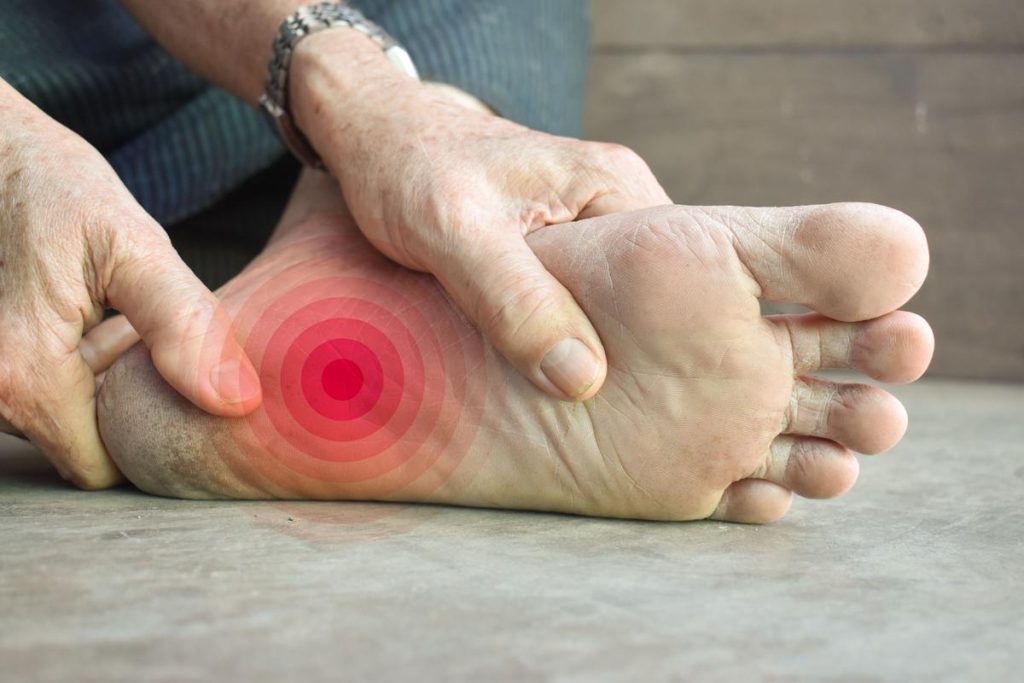
- Pain: Polyneuropathy pain can present as a pain often described as burning, sharp, stinging, or electric shock-like. This pain is typically felt in the hands, feet, or legs, but can also affect other body parts.
- Weakness and weakness: Polyneuropathy can affect muscle strength and cause weakness. This can lead to difficulty performing daily activities or using muscles.
- Balance and coordination issues: Polyneuropathy can affect muscle control, leading to balance and coordination issues. This can lead to feelings of instability when walking or moving, or an increased risk of falling.
- Muscle twitching or spasms: Nerve damage can cause muscle twitching or spasms. These are often associated with feelings of restlessness or discomfort.
- Sensory changes: Polyneuropathy can affect sensory perceptions such as touch, temperature, or pain. Changes such as decreased sensation of heat or cold, impaired normal touch sensation, or hypersensitivity to pain may occur.
- Digestive problems: Some types of polyneuropathy can affect the nerves of the digestive system and cause nausea, vomiting, constipation, diarrhea, or digestive problems.
These symptoms can vary depending on the underlying cause and severity of the damage associated with polyneuropathy. If you experience symptoms of polyneuropathy, it is important to consult a healthcare professional for evaluation and appropriate treatment.
Causes of Polyneuropathy
Polyneuropathy can occur due to a variety of causes. Some common causes of polyneuropathy include:
- Diabetic neuropathy: Diabetes can cause nerve damage due to high blood sugar levels. This condition, called diabetic neuropathy, typically affects the nerves in the hands, feet, and legs.
- Alcoholism: Chronic alcohol use can cause nerve damage. Alcoholic neuropathy is a type of polyneuropathy in which nerves are affected by alcoholism.
- Immunological causes: Immune system disorders can cause the body to mount an immune response against its own nerves. These can include conditions such as Guillain-Barré syndrome and chronic inflammatory demyelinating polyneuropathy (CIDP).
- Infections: Some infections can cause nerve damage. For example, infections such as Lyme disease, chickenpox (varicella-zoster virus), cytomegalovirus (CMV), hepatitis C, and HIV can cause polyneuropathy.
- Genetic factors: Some rare conditions can lead to hereditary polyneuropathy caused by genetic mutations. For example, Charcot-Marie-Tooth disease is one such condition.
- Toxins and drugs: Certain chemicals, toxins, or drugs can cause nerve damage. For example, excessive alcohol consumption, some painkillers, chemotherapy drugs, and some antibiotics can lead to polyneuropathy.
- Nutritional deficiencies: Nutritional deficiencies, such as vitamin B12 deficiency or folic acid deficiency, can contribute to nerve damage and lead to polyneuropathy.
- Other causes: Some systemic diseases such as rheumatoid arthritis, kidney failure, liver disease, and thyroid disorders can also cause polyneuropathy.
Identifying the causes of polyneuropathy is important to determine appropriate treatment and management.
Types of Polyneuropathy
Polyneuropathy is a broad term that encompasses different types of nerve damage and the various areas of the nerves affected. Below is a list of some common types of polyneuropathy:
- Action potential-induced polyneuropathy: It is a type of polyneuropathy that affects the transmission of action potentials in nerve cells.
- Sensory polyneuropathy: A type of polyneuropathy in which sensory nerves are damaged. It can cause sensory changes such as numbness, tingling, or pain.
- Motor polyneuropathy: A type of polyneuropathy in which motor nerves are damaged. This can affect motor functions, including muscle weakness, muscle atrophy (muscle loss), and difficulty controlling movement.
- Sensorimotor polyneuropathy: A type of polyneuropathy that affects both sensory and motor nerves. This can lead to problems with sensation, muscle strength, and coordination.
- Autonomic polyneuropathy: A type of polyneuropathy that affects the autonomic nervous system. This affects the nerves that control the body's automatic functions, which can lead to disruptions in autonomic functions such as heart rate, blood pressure, digestion, urinary control, sweating, and sexual function.
- Inflammatory demyelinating polyneuropathies: A type of polyneuropathy in which immune system cells target nerves, damaging the nerve sheath, called myelin. Examples include Guillain-Barré syndrome and chronic inflammatory demyelinating polyneuropathy (CIDP).
- Toxic polyneuropathies: A type of polyneuropathy caused by toxins that cause nerve damage. Alcohol, certain medications, heavy metals (lead, mercury, etc.), or chemicals can cause this type of polyneuropathy.
These are just a few examples of some common types of polyneuropathy. Polyneuropathy can include many more subtypes and specific causes. If you are experiencing symptoms of polyneuropathy, it's important to be evaluated by a healthcare professional and receive a proper diagnosis.
Is Polyneuropathy Permanent?
The course and persistence of polyneuropathy can vary depending on the underlying cause, the severity of the damage, early intervention with treatment, and individual factors. In some cases, polyneuropathy symptoms may be transient and may resolve with treatment or correction of the underlying cause. However, in other cases, polyneuropathy may be persistent, with symptoms persisting continuously or progressively.
Permanent polyneuropathy can occur as a result of permanent damage or degeneration of nerve cells. When nerve cells and their nerve sheaths (myelin) are damaged, nerve conduction can be affected, making it difficult for the nerves to perform their normal functions.
Persistence depends on whether the underlying cause of the polyneuropathy is treatable, how advanced the damage is, and whether early intervention is provided. For example, in some cases, such as diabetic neuropathy, the progression of nerve damage can be halted or slowed by controlling blood sugar levels and other management strategies.
The persistence of polyneuropathy also depends on the effectiveness of the treatment plan and symptom management. Treatment approaches aimed at alleviating symptoms and improving quality of life can improve an individual's life despite permanent damage.
Early diagnosis, appropriate treatment, and regular follow-up are crucial for someone with polyneuropathy. It's important for individuals to consult a healthcare professional about their symptoms and discuss treatment options. Every situation is different, and treatment is individualized, so the most appropriate treatment plan can be determined with the guidance of a specialist.
Polyneuropathy Treatment
Polyneuropathy treatment focuses on identifying the underlying cause, managing symptoms, and preventing the progression of nerve damage. The treatment plan may vary depending on the type of polyneuropathy, the severity of symptoms, the patient's overall health, and other individual factors. Common approaches to polyneuropathy treatment include:
- Treating the underlying cause: If an underlying cause of polyneuropathy is identified (for example, diabetes, thyroid disorder), it is important to treat that cause. Controlling or correcting the underlying cause may halt the progression of nerve damage or alleviate symptoms.
- Symptom Management: Various treatment options are available to alleviate the symptoms caused by polyneuropathy. These include medications such as painkillers, antiepileptic drugs, antidepressants, and topical creams. Physical therapy, muscle strengthening exercises, neuropathic pain management techniques, and alternative therapies (massage, acupuncture, etc.) can also be used to reduce symptoms and improve quality of life.
- Managing autonomic polyneuropathy: Conditions such as autonomic polyneuropathy may require specialized treatment approaches to manage symptoms. These treatments may include blood pressure regulators, diuretic medications, treatment for sexual dysfunction, or management of other autonomic symptoms.
- Diet and supplements: Nutritional supplements, such as B vitamins ( B12 , B6), may be helpful in managing polyneuropathy caused by nutritional deficiencies. A proper diet, as recommended by a nutritionist or doctor, can help support nerve health.
- Rehabilitation and supportive treatments: Polyneuropathy can affect activities of daily living. Physical therapy and rehabilitation programs can increase muscle strength, improve balance and coordination, and support daily functioning. Additionally, psychological support, counseling, or support groups can be helpful in coping with polyneuropathy.
What is Good for Polyneuropathy and What Can Be Done?
The following steps and methods may be helpful to relieve the symptoms of polyneuropathy and improve quality of life:
- Medication: It's important to take medications regularly as prescribed by your doctor to manage polyneuropathy symptoms. These medications may include pain relievers, antidepressants, antiepileptic drugs, and other nerve pain treatments. Medications can relieve symptoms and improve quality of life.
- Physical therapy: Physical therapy can help strengthen and increase flexibility in the muscles affected by polyneuropathy. Exercise programs with a physical therapist can improve balance and coordination and improve mobility.
- Pain management: Polyneuropathy often causes pain. Pain relief may include heat or cold applications, massage, use of a TENS (Transcutaneous Electrical Nerve Stimulation) device, or other neuropathic pain management methods. It's important to seek advice from your doctor for pain management.
- Foot care: One of the most common effects of polyneuropathy is loss of sensation or numbness in the feet. Therefore, foot care is important. Check your feet regularly, protect them from sharp objects, wear appropriate shoes, and moisturize them. You can also reduce the risk of infection by washing and drying your feet regularly.
- Diet: A healthy diet can support nerve health. A balanced diet that includes foods rich in antioxidants, B vitamins, omega-3 fatty acids, and fiber can help protect nerve cells. It's important to seek advice from a nutritionist or doctor.
- Stress management and relaxation techniques: Stress can worsen polyneuropathy symptoms. Stress management techniques, relaxation techniques such as yoga, meditation, deep breathing exercises, massage, or warm baths can help relieve polyneuropathy symptoms.
- Supportive treatments: Some people may find relief from polyneuropathy symptoms by using alternative treatments, such as acupuncture, reflexology, or herbal supplements. However, it's important to consult a healthcare professional before using these treatments.
In addition to these steps to alleviate polyneuropathy symptoms and improve quality of life, regular follow-ups with your doctor, reviewing your treatment plan, and assessing any changes in your symptoms are also important. Remember, each individual's situation is different, so it's important to consult a healthcare professional to determine the most appropriate treatment plan.
Is There a Herbal Treatment for Polyneuropathy?
A serious health condition like polyneuropathy cannot be completely cured or treated with herbal treatments. However, some herbal supplements or plant-based treatments may help relieve polyneuropathy symptoms. However, it's important to consult a healthcare professional before using herbal treatments, as some herbal products or supplements may interact with medications or be incompatible with certain health conditions.
