


Pneumonia
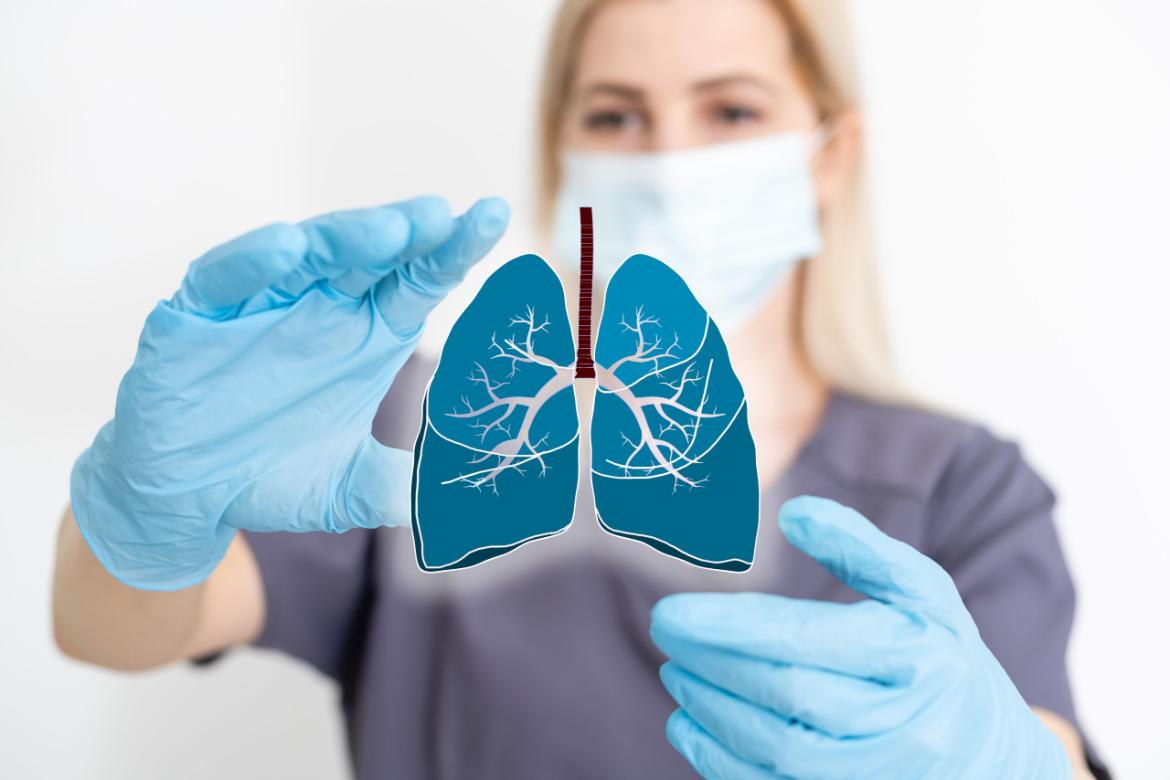
Pneumonia, also known as pneumonia, is an infection of the lungs. This infection is caused by inflammation of the lung tissue, usually caused by bacteria or viruses.
Pneumonia is an infectious disease that can be transmitted through the respiratory tract. The disease usually occurs after a cold or the flu and initially presents with symptoms such as cough, fever, chills, and shortness of breath.
Additionally, chest pain, fatigue, weakness, headache, loss of appetite and muscle aches are common symptoms.
Pneumonia is more common in people with weakened immune systems or older adults. Smokers, those with chronic respiratory diseases such as asthma or COPD, and those with underlying health conditions such as heart disease or diabetes are also at higher risk of developing pneumonia.
What causes pneumonia? What are its side effects?
Pneumonia can occur for many different reasons. The most common are:
- Bacteria: The most common cause of pneumonia is bacteria. Bacteria that cause pneumonia include several species, including Streptococcus pneumoniae, Haemophilus influenzae, and Legionella pneumophila.
- Viruses: Some viruses can also cause pneumonia. The most common viruses include influenza virus, respiratory syncytial virus (RSV), and adenoviruses.
- Fungi: Although rare, fungal infections can also cause pneumonia, especially in people with weakened immune systems.
- Chemicals: Exposure to chemicals can cause lung irritation and infections. Cigarette smoke, environmental pollutants, and toxins, in particular, can cause pneumonia.
- Other factors: Pneumonia can also occur due to other health problems, such as respiratory infections, asthma, COPD, heart disease, diabetes, cancer, and HIV.
Pneumonia causes can vary depending on a person's age, health, and immune system. However, it's important to diagnose infections and other factors that cause pneumonia early and treat them appropriately.
What are the symptoms of pneumonia ?
Pneumonia symptoms can often vary depending on the type and cause of the disease, but the most common symptoms include:
- High fever: Usually above 38°C.
- Cough: A cough usually starts out dry and may eventually produce phlegm.
- Chest pain: Pain may be felt when breathing or coughing.
- Shortness of breath: It may be difficult to take deep breaths or have difficulty breathing.
- Weakness: Body pain, fatigue and weakness may be felt.
- Headache: Usually mild or moderate in intensity.
- Tremors and sweating: Severe shivering attacks and excessive sweating may occur.
- Nausea, vomiting, and diarrhea: These symptoms are often seen in viral pneumonia.
If the cause of pneumonia is bacteria, it is usually treated with antibiotics. However, if the cause is a virus, antibiotics are not effective, and other treatments are used to relieve symptoms.
Is pneumonia contagious and how is it transmitted?
Yes, pneumonia is contagious and is spread primarily through airborne droplets. This occurs when healthy people inhale germs released into the air when an infected person coughs, sneezes, or talks. However, the agents that cause pneumonia (bacteria, viruses, fungi) vary, and exposure to these agents can also lead to the spread of the disease.
Contagiousness can vary depending on the cause of the illness and the individual's immune system. In some cases, a person may be infected but have no symptoms, and in this case, they may still be contagious. To protect themselves from pneumonia, precautions such as hand hygiene, avoiding touching the mouth and nose, and wearing a mask in crowded environments should be taken.
How is pneumonia diagnosed?
Pneumonia can be diagnosed by a doctor through an examination and certain tests. A doctor can diagnose pneumonia by looking at the patient's symptoms and history, performing a physical examination, and, if necessary, ordering the following tests:
- X-rays: X-rays may be taken to produce images that show signs of inflammation or infection in the lungs.
- Blood tests: Blood tests can provide information about inflammation or other changes in the body caused by infection.
- Breathing tests: Breathing tests evaluate lung function and airflow and may indicate the presence of pneumonia.
- Sputum culture: A sputum culture is done to diagnose the bacteria or fungi causing the infection.
- Computed tomography (CT): A CT scan can help determine the spread or severity of the infection by providing more detailed images.
How is pneumonia treated?
Treatment for pneumonia can vary depending on the cause and severity of the illness. Bacterial pneumonia is usually treated with antibiotics, while viral pneumonia is treated with antiviral medications or symptomatic treatment.
In treating bacterial pneumonia, it's crucial to take antibiotics regularly as prescribed by your doctor. Antibiotics are usually taken orally, but they can also be administered intravenously. The duration of treatment and the antibiotic used may vary depending on the cause of the infection, the patient's age, and their health status.
There are no specific antiviral medications to treat viral pneumonia, but medications such as antipyretics, cough suppressants, and pain relievers can be used to relieve symptoms. Treatment depends on the patient's health and the severity of their symptoms.
In addition to treatment, it's important for the patient to drink adequate fluids and rest. Bed rest can help the body fight infection. Additionally, avoiding factors that irritate the respiratory tract, such as smoking, is important in treating pneumonia.
Treating pneumonia is important because it can be an infection that can cause serious complications. Starting treatment early can help you recover more quickly and reduce the risk of complications.
What happens if pneumonia is not treated?
If left untreated, pneumonia can lead to serious complications, including:
- Pleural effusion: This is a condition where pleural effusion builds up outside the lungs. Pleural effusion can cause symptoms such as shortness of breath, chest pain, and cough.
- Lung abscess: If pneumonia is left untreated, pus-filled sacs, or abscesses, can form in the lungs. This can cause symptoms such as fever, cough, and expectoration.
- Sepsis: Pneumonia can spread to the bloodstream, leading to an infection called sepsis. Sepsis is the body's overreaction to fight infection and can lead to organ failure, low blood pressure, coma, and death.
- Respiratory failure: Untreated pneumonia can severely impair lung function and lead to serious complications such as respiratory failure.
Can you get pneumonia by catching a cold?
Being cold can lead to upper respiratory tract infections, such as the common cold or flu. These infections usually start with mild symptoms and clear up on their own within a few days. However, sometimes the infections can spread to the lower respiratory tract and cause pneumonia.
Pneumonia is a different type of infection than upper respiratory tract infections and can cause more severe symptoms. Pneumonia is usually caused by bacteria, viruses, or fungi. These infections can damage the airways, causing inflammation of the lungs' air sacs and, consequently, pneumonia.
Does pneumonia go away on its own?
Pneumonia usually doesn't go away on its own and requires medical attention. Pneumonia is a serious infection that causes inflammation of the air sacs in the lungs. It can be caused by bacteria, viruses, or fungi and can cause serious breathing problems.
Pneumonia symptoms can worsen over time and can even be fatal. Therefore, it's important to see a doctor if you experience pneumonia symptoms, especially if they include a high fever, severe cough, shortness of breath, and chest pain.
