


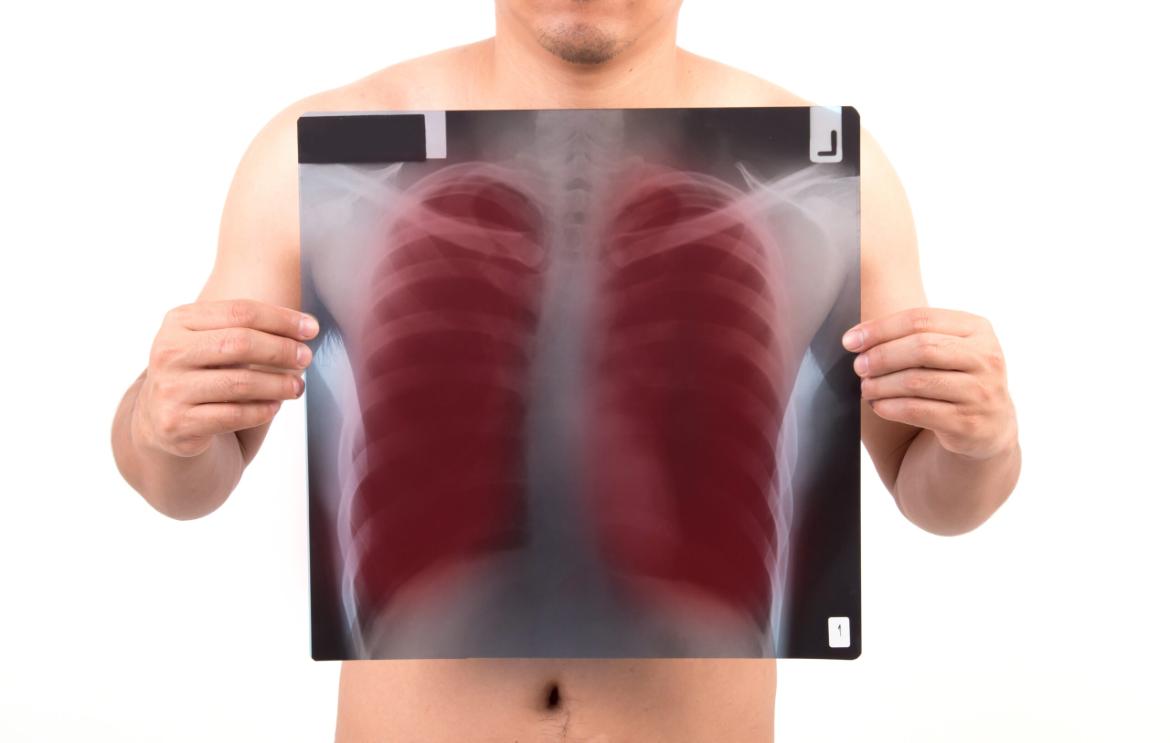
Pleurisy
Pleurisy is a condition characterized by fluid accumulation between the membranes surrounding the chest cavity and the lungs. These membranes, called pleura, are normally separated by a slippery fluid and facilitate lung movement. However, in some cases, lung conditions or systemic diseases can disrupt the fluid balance between these membranes, causing fluid accumulation. This accumulation is called pleurisy or pleural effusion.
Symptoms of pleurisy include fever, chest tightness, shortness of breath, cough, hiccups, and chest pain. Diagnosis is usually made through a physical examination and radiological imaging. Treatment may vary depending on the underlying cause.
Pleural effusion is a serious condition in which fluid accumulation in the pleural space can be a symptom of lung or systemic diseases. Diagnosis and treatment require guidance and evaluation by a qualified healthcare professional.
What causes pleurisy?
Pleurisy occurs when the amount of fluid between the membranes surrounding the chest wall and the lungs increases. This can be due to a variety of causes:
- Lung diseases: Various lung diseases, including lung cancer, lung abscess, tuberculosis (tuberculosis), sarcoidosis, and pulmonary embolism, can cause pleurisy. Tuberculosis, in particular, is a significant cause of pleurisy.
- Lung cancer: Lung cancer can cause pleurisy if the cancerous tissue is close to the pleura or if cancerous cells spread into the pleural layer.
- Pneumonia: Pneumonia, an inflammation of the lungs due to bacteria or viruses, may also play a role in the formation of pleurisy.
- Other diseases: Heart failure, pulmonary hypertension, kidney or liver diseases, complications after heart surgery, rib fractures, fungal infections, autoimmune diseases, lymphoma, esophageal cancer, cirrhosis, rheumatoid arthritis, systemic lupus, pancreatitis, thyroid diseases, familial Mediterranean fever, trauma and side effects of some medications can cause pleurisy.
These conditions can disrupt the fluid balance between the chest wall and the lung membranes, leading to pleurisy. A qualified healthcare professional should always be consulted for any diagnosis or treatment.
What are the symptoms of pleurisy?
- Chest pain: A common symptom of chest diseases, chest pain is one of the most prominent symptoms of pleurisy. This is often followed by increased pain, discomfort, and distress during breathing.
- Shortness of breath: Difficulty breathing, shortness of breath, or a feeling of rapid breathing are symptoms of pleurisy. Difficulty breathing is experienced even during normal activities.
- Cough: This cough may be dry at first and may progress to a more severe, convulsive cough. This cough can cause chest pain and can sometimes be felt in the back or abdomen.
- Fever: Symptoms of fever, such as high fever, chills, sweating, and chills, can occur with pleurisy. These symptoms are often a sign that the body is trying to fight off the infection.
- Weakness and fatigue: General health problems such as general weakness, feeling of tiredness, and even loss of appetite may also occur along with pleurisy.
These symptoms can vary depending on the underlying condition causing pleurisy, and the severity and progression of the disease can also influence symptoms. It's important to consult a healthcare professional if you experience these symptoms.
How is pleurisy diagnosed?
Pleurisy is usually diagnosed through a combination of physical examinations and radiological tests. Here are some diagnostic methods and procedures:
- Physical Examination: Based on the patient's symptoms and medical history, a pulmonologist or physician will perform a general examination. This includes examining the patient's breathing and breathing pattern.
- Radiological imaging: A chest X-ray is usually the first-line method. However, in some cases, a computed tomography (CT) scan may be requested to provide more detailed information. These imaging methods can detect pleurisy and help identify the underlying cause.
- Ultrasound : This is another method used to diagnose pleurisy. This method uses sound waves to determine the location and amount of fluid.
- Thoracentesis: This procedure involves removing fluid from the chest area using a syringe. This method helps confirm the diagnosis of pleurisy. Furthermore, a bacteriological examination of the fluid sample can help diagnose potential infections.
- Biopsy : If the underlying cause of pleurisy cannot be determined, a closed or open pleural biopsy may be performed. During this procedure, tissue samples are taken from the pleural space or chest wall and examined in a pathology laboratory.
The combination of these diagnostic methods helps clarify the diagnosis of pleurisy and identify the underlying disease. The diagnostic process is determined by the patient's symptoms, signs, and health history, and is conducted by a specialist physician.
How is pleurisy treated?
Pleurisy treatment generally focuses on treating the underlying cause, and the treatment plan is determined by the type of disease causing the pleurisy. Here are some methods used in the treatment of pleurisy:
- Antibiotic treatment: Bacterial infections can cause pleurisy. In these cases, doctors treat the infection by prescribing appropriate antibiotics.
- Anti-inflammatory drugs: In case of inflammation due to pleurisy, anti-inflammatory drugs can be used to reduce pain and inflammation.
- Tuberculosis treatment: If the cause of pleurisy is tuberculosis, long-term antibiotic treatment may be applied.
- Heart failure treatment: If pleurisy is caused by heart failure, medications and special treatment methods may be used to treat heart failure.
- Cancer treatment: Types of cancer, such as lung or pleural cancer, can cause pleurisy. In this case, treatment usually involves cancer treatment methods such as surgery, chemotherapy, and radiation therapy.
- Pleural effusion drainage: Drainage may be performed to remove excess fluid. During this procedure, the fluid is drained into a tube.
- Treatments to prevent pleural effusion: In some cases, the layers of the pleura can be closed by injecting medication or the patient's own blood into the pleural space to prevent fluid from accumulating again.
Treatment for pleurisy varies depending on the cause, the patient's overall health, and the severity of symptoms. Therefore, it's important to stay under the care of a doctor to assess response to treatment and determine the most appropriate treatment plan. If you experience symptoms or suspect pleurisy, it's important to consult a healthcare professional to receive appropriate diagnosis and treatment.
Is pleurisy a dangerous disease?
Pleurisy is a condition in which fluid accumulation alone is not usually fatal. However, the underlying medical condition causing pleurisy can be dangerous. For example, pleurisy can sometimes indicate conditions that can lead to serious health problems.
Underlying diseases such as infections, cancer, and tuberculosis can cause pleurisy, and these conditions can lead to serious complications. Pleurisy caused by infections such as pneumonia is usually well treatable. However, in cases such as lung cancer, the underlying cancer can be life-threatening and require treatment.
With early diagnosis and appropriate treatment, it's possible to treat the underlying condition causing pleurisy and improve the patient's health. Therefore, identifying the underlying cause of pleurisy and implementing appropriate treatment methods is crucial. In all cases, it's crucial to focus on the underlying cause of pleurisy and address its treatment.
What happens if pleurisy is left untreated?
If pleurisy is left untreated, the condition can become more severe, and the potential outcomes can vary depending on the underlying condition. If the underlying condition, which is the root cause of pleurisy, is left untreated or uncontrolled, it can lead to various complications. Some possible outcomes include:
- Difficulty breathing: Pleurisy can make breathing difficult because fluid buildup in the chest cavity prevents the lungs from expanding. This can cause difficulty breathing.
- Infection risk: Fluid accumulation in the chest cavity can increase the risk of infection. This can increase the likelihood of developing infections and damage to the lungs.
- Lung compression: Accumulated fluid can put pressure on the lungs. Prolonged compression can negatively impact lung function and prevent the lungs from functioning normally.
- Complications: Pleurisy can be a symptom of serious underlying conditions. For example, lung cancer or other serious conditions can cause pleurisy. If left untreated, these conditions can progress and lead to more serious complications.
If left untreated, the underlying condition of pleurisy can progress and the risk of developing complications can increase. Therefore, it is important to treat the underlying condition as soon as symptoms of pleurisy are noticed or diagnosed. Treatment can help treat the underlying condition and prevent potential complications. Therefore, it is important to seek medical attention immediately when symptoms are noticed.
Is pleurisy cancerous?
Pleurisy is a symptom or sign, not a disease. It refers to a condition caused by fluid accumulation between the lung membrane (pleura). Pleurisy can occur as a symptom of many different underlying conditions.
One underlying cause of pleurisy may be lung cancer. Lung cancer is a type of cancer that occurs when cells in the lung tissue grow and spread uncontrollably. Lung cancer can spread to other tissues within or near the lungs, affecting the pleural membrane. In this case, fluid can accumulate within the pleura, leading to pleurisy.
However, many other conditions can trigger pleurisy. Health problems such as infections, tuberculosis, pleurisy, heart failure, and pulmonary embolism can also cause pleurisy.
Therefore, pleurisy is not a disease but a symptom of various underlying medical conditions. Pleurisy is generally managed by identifying and treating the underlying cause. If the cause of pleurisy is a serious condition, such as lung cancer, appropriate treatments will be targeted. Therefore, if you are diagnosed with pleurisy, it is important to consult with your doctor to diagnose and treat the underlying cause.
