


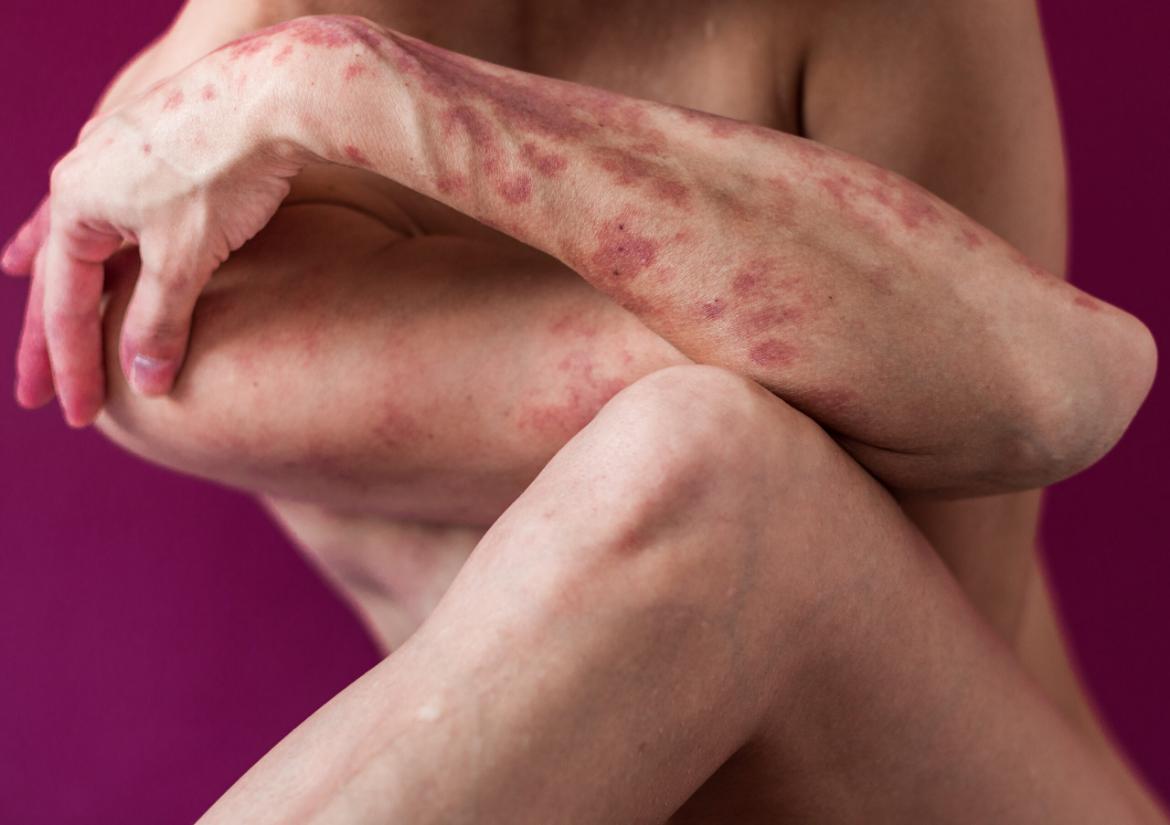
Petechiae
Petechiae are small, round, brownish-purple spots that usually occur as a result of broken capillaries. These spots are caused by bleeding under the skin or in the mucous membranes. Petechiae are pinpoint-sized and can be caused by a number of factors that cause bleeding under the skin. These include viruses, infections, low platelets, and clotting disorders.
Petechiae usually don't itch or hurt and appear as red, brown, or purple spots on the skin. This condition occurs when capillaries rupture, allowing blood to leak into the skin. Factors such as fungi, viruses, infections, and low platelets can cause these capillaries to rupture.
These spots can usually appear anywhere on the body, but are particularly common on the abdomen, inside the mouth, legs, and buttocks. Petechiae usually resolve on their own without any treatment in mild cases. However, if the underlying cause is serious or if symptoms persist, it is important to consult a healthcare professional. Treatment can address the underlying cause, and medications or other interventions may also be necessary in specific cases.
What causes petechiae?
Petechiae are spots caused by the rupture of small blood vessels. This rupture has a number of causes, and factors that can cause petechiae include:
- Fungal: Fungal infections can cause capillaries under the skin to rupture, causing petechiae.
- Virus: Some viruses, especially measles, rubella, mononucleosis, and streptococcus, can cause petechiae.
- Infection: Bacterial or viral infections can cause petechiae to form on the body. For example, infections such as meningitis and strep throat can accompany petechiae.
- Endocarditis: Endocarditis, an inflammatory condition of the lining of the heart, can contribute to the formation of petechiae.
- Thrombocytopenia: Low levels of platelets, which help blood clot, can cause petechiae.
- Injury and environmental factors: Physical trauma, accidents, insect bites, skin damage, or sunburns can trigger petechiae.
- Certain medications used: Certain medications, such as some antibiotics, antidepressants, and blood thinners, can cause petechiae.
- Mononucleosis: A viral infection, mononucleosis is common in young people and can cause petechiae.
- Vasculitis: Inflammation of blood vessels can trigger the formation of petechiae.
- Vitamin C deficiency: A deficiency in vitamin C can contribute to weakened blood vessels and the formation of petechiae.
- Leukemia: Leukemia, a cancer of the blood and bone marrow, can cause petechiae.
Any one or a combination of these factors can predispose to the development of petechiae. Treatment generally addresses the underlying cause and may include medications, antibiotics, or other treatments, depending on the condition. It's important to consult a healthcare professional, especially if symptoms persist or worsen.
Where do petechiae occur?
Petechiae are small, pinpoint red, purple, or brown spots that typically appear under the skin and on mucous membranes. These spots are caused by bleeding from ruptured capillaries. Petechiae can appear in various areas of the body, but are particularly common in the following areas:
- Abdomen: Petechiae may appear in the abdomen. These spots are often a sign of bleeding under the skin.
- Inside the mouth: Petechiae, which are also common in the mucous membranes, can occur especially in the tissues inside the mouth. This condition can appear as small, dotted spots inside the mouth.
- Arms: Petechiae can also occur on the arms. Rupture of capillaries under the skin can cause these small spots to appear on various areas of the arms.
- Legs: Petechiae can also appear on the legs. The spots on the legs are usually small dots and can be red, purple, or brown.
- Buttocks: Petechiae can also be observed in the buttocks area. These spots, as in other areas of the body, can occur due to ruptured capillaries.
Petechiae are a condition that can occur anywhere on the body. These spots are usually caused by the rupture of small blood vessels under the skin, and their color is determined by the leakage of blood under the skin. If a person experiences petechiae or similar skin conditions, it is recommended to consult a healthcare professional.
How is petechiae diagnosed?
Petechiae can usually be diagnosed through a physical examination and evaluation of symptoms such as red spots and rashes on the body. However, doctors may use various diagnostic methods to confirm this diagnosis and determine the underlying cause. Methods used to confirm a petechiae diagnosis and determine its cause may include:
- Blood tests: Blood tests can help identify underlying factors for petechiae, particularly by examining values on platelet count and other blood components.
- Urine tests: Urine tests may be used to evaluate potential problems with kidney function and other systems.
- Chest X-ray: A chest X-ray can be used to detect possible pathologies in the internal organs or lungs.
- Lumbar puncture (spinal fluid test): This test can be used to analyze spinal fluid and may be done to evaluate neurological problems.
- Liver Function Tests: Liver function tests can be used to evaluate liver health and diagnose possible liver diseases.
- Vitamin and mineral level tests: These tests may be performed to identify vitamin and mineral deficiencies in the body. Conditions such as vitamin C deficiency can cause petechiae.
- Dermatological examination: A skin examination by a dermatologist can provide more information about the pattern and distribution of bleeding under the skin in petechiae.
Diagnostic methods are determined based on the patient's general health, symptoms, and examination results. Treatment will address the underlying condition causing the petechiae. Therefore, it is important for individuals experiencing petechiae to consult with a healthcare professional.
How is petechiae treated?
Treatment for petechiae depends on the underlying cause and may generally include:
- Treating the infection: If petechiae are caused by an infection, doctors usually prescribe appropriate antibiotics. These antibiotics can help treat the condition caused by the infection.
- Treatment of blood disorders: Blood disorders such as leukemia may require specialized treatment. Treatment options such as bone marrow transplantation or chemotherapy may be used.
- Corticosteroid medications for inflammation: Corticosteroid medications may be used to reduce inflammation in blood vessels.
- Immunosuppressant drugs: In cases such as vasculitis, immunosuppressant drugs may be used.
- Vitamin C supplements: Vitamin C deficiency can cause petechiae. In this case, vitamin C supplements may be recommended.
You can also alleviate petechiae complaints with some methods that can be applied at home:
- Applying a cold compress: Applying a cold compress to the affected areas can constrict blood vessels and reduce bleeding.
- Drink plenty of fluids: Adequate fluid intake can support overall health and regulate blood circulation.
- Nonsteroidal anti-inflammatory drugs (NSAIDs): In case of pain or inflammation, NSAIDs can be used as per the doctor's recommendation.
- Rest: Resting whenever possible can support the body's healing process.
Treatment varies depending on the cause and severity of petechiae. Therefore, it's important to speak with a healthcare professional if you have symptoms or are concerned. Treatment involves a thorough assessment of any underlying health conditions and determining an appropriate treatment plan.
Petechiae prevention and hygiene tips
Petechiae are a condition that often develops due to underlying health problems or external factors and can be difficult to prevent directly. However, some general precautions and hygiene practices can reduce the risk of petechiae:
- Hand hygiene: Washing your hands regularly with soap and water can reduce the risk of infection. Hand sanitizers can also be used.
- Not sharing personal items: It is important to be careful not to share personal hygiene products, especially personal items such as toothbrushes, towels, and razors.
- Cleaning frequently touched surfaces: Regularly cleaning and disinfecting frequently touched surfaces can reduce the risk of spreading germs.
- Avoiding sick people: Limiting contact with people who are sick can help prevent the spread of infectious diseases.
- Sun protection: Using sunscreen to protect against the sun's harmful ultraviolet (UV) rays can help maintain skin health.
Because petechiae are often caused by underlying health issues, preventative measures include maintaining a healthy lifestyle and practicing good hygiene. It's important to consult a healthcare professional if you experience symptoms or have any concerns.
What are the types of petechiae?
Petechiae are generally identified based on the shape and size of the bleeding in the skin. Petechiae can be divided into three main types: purpura, ecchymosis, and hematoma.
- Petechiae: Petechiae are small, pinpoint spots caused by the rupture of small blood vessels under the skin. They are usually red or purple in color and are less than 2 mm in diameter. Petechiae usually do not cause a noticeable raised area on the skin's surface.
- Purpura: Purpura can be thought of as enlarged petechiae. These spots, caused by ruptured blood vessels, are larger than petechiae (usually 2-10 mm in diameter). Purpura refers to a condition in which bleeding under the skin increases, and these spots coalesce to create a more visible appearance.
- Ecchymoses: Ecchymoses are bruises that occur as a result of damage to blood vessels under or on the surface of the skin. They usually occur as a result of physical trauma, impact, or blows. Ecchymoses are similar to petechiae but can be larger. These spots, which appear purple, blue, or green on the skin, can often cause tenderness or pain when touched.
- Hematoma: A hematoma is a collection of blood that occurs as a result of bleeding under the skin or in internal organs. It may appear as a swelling or bruise under the skin. Hematomas usually occur as a result of a serious blow, trauma, or surgery. Unlike petechiae and ecchymoses, hematomas usually present with significant swelling.
These terms are used to describe the types and extent of bleeding under the skin. The underlying causes and treatment options for each type can vary. Therefore, it's important to consult a healthcare professional if symptoms persist or you have concerns.
