


Peer Bullying
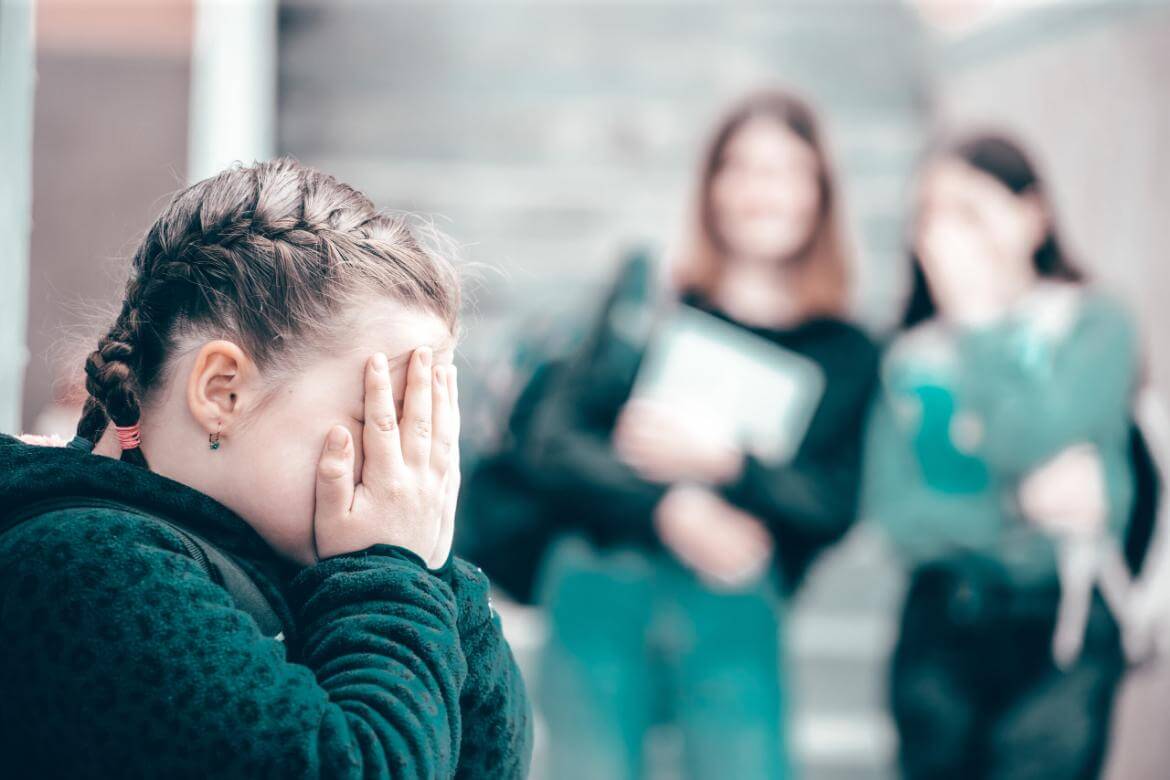
Peer bullying is a form of abuse that involves one or more peers repeatedly and deliberately causing physical, emotional, or social harm to a child. This type of aggressive behavior is often seen in school settings. To prevent peer bullying, it's important to raise awareness, foster empathy, and provide children with a sense of safety. When appropriate measures are taken, peer bullying becomes preventable. This is a critical step for children to grow up in a healthy learning and social environment.
Causes of Peer Bullying
Common causes of peer bullying may be:
- Power imbalance: Peer bullying is often associated with a power imbalance. A child may engage in bullying to make themselves appear powerful or to maintain control.
- Family problems: Family problems can cause children emotional distress. These difficulties can lead to bullying behavior by projecting this emotional tension onto their peers.
- Anger and loss of control: When children are emotionally challenged or struggling to cope with anger, they may direct these feelings toward others. In this situation, they may develop bullying behaviors toward their peers.
- Social media impact: Children may try to mirror the virtual characters they create for themselves on social media in real life. This can lead to the negative behaviors they learn online being reflected in real life.
- Peer pressure: Children may adopt the behaviors of a peer group in order to belong to it or gain acceptance. Conforming to a dominant peer group can trigger bullying behavior.
A combination of these factors can contribute to the emergence of peer bullying. However, each situation is unique and may arise for different reasons.
In Which Age Groups Is Peer Bullying More Common?
Peer bullying typically becomes more pronounced in elementary and middle school, but it can also occur in pre-elementary and high school. Elementary school is a crucial time for children to establish social relationships, make friends, and establish a sense of belonging within a group. As children strive to develop social skills during this period, power imbalances and bullying can also emerge among some.
Middle school is a time when peer relationships become increasingly complex. With adolescence, young people's struggles to find their own identity, understand their social status, and balance their relationships with others may be factors influencing peer bullying.
However, it's important to note that every child is different, and peer bullying can occur at any age. Conflicts, power struggles, and bullying-like behaviors can also be observed among children in preschool. Therefore, parents, teachers, and other adults should carefully monitor children's social interactions and provide appropriate support and guidance.
Types of Peer Bullying
Peer bullying can occur in a number of different ways and includes a variety of types. These types include:
- Physical bullying: This includes physically violent behavior such as the bully physically harming, pushing, kicking, or hitting the victim.
- Emotional bullying: The bully engages in behavior that emotionally hurts, humiliates, or excludes the victim. Emotional bullying can negatively impact the victim's self-esteem and self-confidence.
- Verbal bullying: The bully uses degrading, threatening, insulting, or belittling language toward the victim. Verbal bullying can negatively impact the victim's emotional well-being.
- Social peer bullying: The bully manipulates the victim's relationship, excludes them, or damages their reputation within their social circle.
- Cyber bullying: This type of bullying occurs online, on social media, or on other digital platforms. The bully may harass, threaten, or insult the victim online.
- Sexual bullying: The bully may make unwanted sexual advances or use sexually explicit language towards the victim.
- Belonging bullying: The bully may steal, damage, or use the victim's belongings without permission.
Each type of bullying can have different negative impacts on an individual. It's important to recognize, prevent, and address these types.
Signs of Peer Bullying
Symptoms that may be observed in individuals exposed to peer bullying may include:
Physical symptoms:
- Various injuries or bruises on a regular basis
- Trying to hide your body with interesting clothing or accessory choices
- Sleep problems or nightmares
Emotional symptoms:
- Sudden and significant mood changes (for example, from being happy to being sad)
- Low self-esteem or lack of self-confidence
- Social withdrawal and isolation
- Depression symptoms
Verbal symptoms:
- Frequent expression of fear, anxiety, or discomfort
- Telling explicit stories about bullying
- Difficulty expressing oneself
Social symptoms:
- Withdrawing from friends and avoiding social activities
- Feeling isolated or alone within a group
- Difficulty adapting to changes in the social environment
Academic symptoms:
- Decline in academic achievement
- Tendency to avoid school or truancy
- Distraction in the classroom
Physical health symptoms:
- Headaches or stomach aches
- Changes in eating habits
- Other physical health problems that can be linked to stress
These symptoms can manifest differently in each individual, and the victim's reactions can vary. It's important to recognize the signs of bullying and address it.
What are the methods to protect against peer bullying?
The following methods can be used to protect against peer bullying:
- Building self-confidence: Self-confidence is the foundation of resistance to bullying. Positive thinking, goal setting, and understanding your own worth can boost self-confidence.
- Strengthening social skills: Developing effective communication, collaboration, and problem-solving skills can help you cope better in social situations.
- Building support systems: Building support systems such as family, friends, and teachers can make it easier to get help in case of bullying.
- Social media monitoring: Regularly checking social media accounts to prevent bullying can reduce exposure to negative content.
- Being aware: It is important to recognize the signs of bullying and develop strategies to cope with these signs.
- Contacting adults: In cases of bullying, immediately contacting adults can help resolve the issue. You can confide in parents, teachers, or the school administration.
- Emotional well-being skills: Developing skills to cope with stress, maintain emotional balance, and cope with negative emotions can increase resilience to peer bullying.
- Developing empathy: Understanding the feelings of others and developing empathy can strengthen social relationships and prevent bullying.
- Building a strong identity: Building a strong identity by recognizing your own values and interests can make you less susceptible to external influences.
- Participating in training programs: Participating in training programs to prevent bullying is important in raising awareness and providing protection for individuals.
How Can I Help Someone Being Bullied?
To help someone who is being bullied, consider the following steps:
- Engage and listen: Empathize with the person being bullied. Try to understand their feelings and listen to what they're going through.
- Be supportive: Bullying can undermine a person's self-confidence. Show them support, remind them of their strengths, and make them feel valued by others.
- Provide a safe environment: Provide the person being bullied with a safe and supportive environment. Give them opportunities to express themselves.
- Inform adults: If the situation is serious, notify teachers, parents, or school administrators. Adults can help.
- Offer friendship: Build friendships with the person being bullied and strengthen their social connections. This support can reduce negative interactions.
- Explore solutions together: Collaborate with the person to solve problems together. Addressing the problem and exploring solutions can help the person feel empowered.
- Offer professional help: If the situation becomes more complex, encourage them to consider seeking professional help. Professionals such as a school guidance counselor, psychologist, or counselor can provide support.
- Provide support on social media: If bullying is occurring on social media, refer them to online support groups or platforms.
Every situation is different, so it's important to approach offering help in a way the person feels comfortable with.
Will Peer Bullying Go Away If Left Alone?
Bullying shouldn't be left unattended. Bullying rarely goes away on its own and often worsens over time. Therefore, it's important to help and intervene when someone is being bullied. Bullying can have negative consequences for both the victim and the community.
What Should a Parent of a Bullying Child Do?
It's important to communicate effectively with your child. Clearly state that bullying is occurring, emphasizing that this behavior is unacceptable and can lead to negative consequences. At the same time, try to understand your child's emotional needs and help them express their feelings.
Suggest alternative behaviors for your child and praise positive behaviors. You can encourage activities like sports to help your child channel their energy in positive ways. This can help them channel their energy in a positive way.
Also, try to empathize with your child to understand the situations in which he or she is being bullied. Perhaps your child is struggling to cope with their own challenges or is feeling unsupported emotionally.
Consider seeking professional help. A school counselor, psychologist, or child specialist can delve deeper into your child's behavior and offer guidance.
Remember, every child is different and every situation is unique. It's important to take an approach that's tailored to your child's individual needs and emotional state.
What are the General Characteristics of Children Who Bully Their Peers?
The profile of children who engage in peer bullying is complex, with many factors at play. However, certain characteristics are thought to increase the likelihood of these behaviors. These children typically exhibit:
- Low empathy: Children who bully may have difficulty understanding the emotions of others and may show a lack of empathy.
- Low self-esteem: Children who see their own worth as low may exhibit aggressive behavior towards others.
- Emotional problems: Emotional problems experienced by children can lead to anger management difficulties and a tendency towards bullying.
- Family problems: Problems within the family that children who bully experience can trigger this behavior. For example, there may be violence or neglect within the family.
- Modeling: Children often imitate the adults and peers around them. If a child observes bullying behavior, they may be more likely to imitate it.
- Poor social skills: A lack of social skills can increase a child's likelihood of negative behavior. Underdeveloped communication and problem-solving skills can lead to bullying.
- Power seeking: Children who bully may often be power oriented. This effort to maintain control over others can lead to bullying behavior.
Each of these characteristics may influence children's likelihood of bullying, but no single characteristic alone is sufficient to explain bullying. It's important to take an individualized approach to understanding and preventing children's behavior.
