


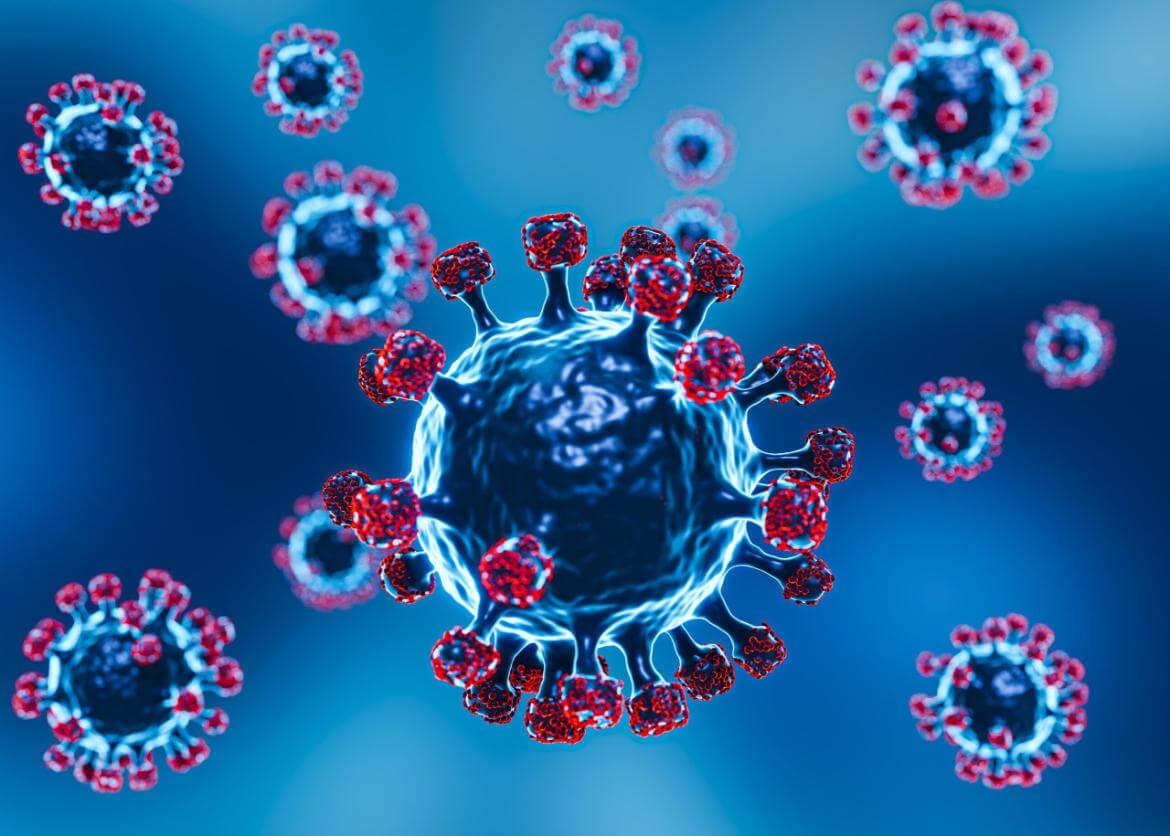
Parainfluenza Virus
Parainfluenza viruses are a group of viruses that cause respiratory infections in humans and some animals. The most common parainfluenza viruses in humans are RNA viruses that typically cause colds or lower respiratory tract infections. Parainfluenza viruses can often cause more severe symptoms in children and the elderly.
What are the types of parainfluenza viruses?
Parainfluenza viruses are divided into four different serotypes, or types, called Parainfluenza 1 (PIV-1), Parainfluenza 2 (PIV-2), Parainfluenza 3 (PIV-3), and Parainfluenza 4 (PIV-4). Each type can cause different symptoms and types of infection.
- Parainfluenza 1 (PIV-1): This type can generally cause cold-like symptoms. However, it can also lead to more serious respiratory infections. It can trigger symptoms like croup and is generally more severe in infants and young children.
- Parainfluenza 2 (PIV-2): PIV-2 can also cause cold-like symptoms. Like PIV-1, it can also cause croup symptoms.
- Parainfluenza 3 (PIV-3): This type can cause croup symptoms, especially in infants and young children. It can also cause lower respiratory tract infections such as bronchiolitis or pneumonia. PIV-3 can cause epidemics, usually during the winter months.
- Parainfluenza 4 (PIV-4): PIV-4 can cause milder symptoms and often triggers cold-like symptoms. It is considered the least severe of the four types.
While these virus types cause respiratory infections in humans, the prevalence, symptoms, and severity of each type can vary. The effects of these infections can be minimized through hygiene measures, vaccination, and symptomatic treatment.
What are the symptoms of parainfluenza virus?
Parainfluenza virus infections typically cause mild to moderate respiratory infections affecting the upper respiratory tract. Symptoms can vary depending on the strain of the virus, the individual's age, and the state of their immune system. Common symptoms of parainfluenza virus infection include:
Upper respiratory tract symptoms:
- Sore throat and irritation
- Runny or stuffy nose
- Sneeze
- Cough (usually dry or slightly phlegmy)
Difficulty breathing and wheezing (Croup):
- Children are particularly prone to developing a condition called croup. Croup is characterized by wheezing, a hoarse cough, and difficulty breathing due to swelling of the upper airways. Croup is most common in children, and symptoms may be more pronounced at night.
Fire:
- A mild to moderate fever may develop during the infection. However, it is also possible for fever to be absent or mild.
Weakness and fatigue:
- A decrease in body energy and activity may be felt.
Headache:
- Headache is another common symptom of infection.
General discomfort:
- The infected person may feel generally unwell, and symptoms such as weakness and loss of appetite may be observed.
Parainfluenza virus infections are generally mild and can be managed at home with rest and symptomatic treatment. However, more serious symptoms or complications can develop, especially in infants, the elderly, or individuals with weakened immune systems. Therefore, symptoms in these groups should be monitored more closely and a healthcare professional should be contacted when necessary.
What causes parainfluenza virus?
Parainfluenza viruses are RNA viruses that cause upper respiratory tract infections in humans. These viruses can cause respiratory epidemics and seasonal illnesses in humans. Parainfluenza viruses often occur as a component of respiratory epidemics.
These viruses are transmitted through droplets. This means that respiratory droplets containing the virus can be airborne and transmitted to others through coughing, sneezing, or contact with an infected person. They can also spread through contact, particularly in areas with a higher risk of spreading disease, such as crowded places or situations where personal hygiene is poor.
Parainfluenza viruses cause infections that cause people to develop immune defenses. As a result of these infections, the immune system can fight the virus and produce antibodies against it. However, because parainfluenza viruses are divided into various subtypes and can mutate rapidly, developing a vaccine that protects against any single subtype can be challenging.
How is parainfluenza virus diagnosed?
Diagnosis of parainfluenza virus is generally based on clinical symptoms, but a definitive diagnosis can be confirmed with laboratory tests. Some common methods used to diagnose parainfluenza virus are as follows:
Clinical evaluation: Based on the infected person's symptoms and medical history, a healthcare professional can attempt to differentiate parainfluenza virus infection from other respiratory infections. Parainfluenza virus infection may be considered, particularly if prominent symptoms, such as croup, are present.
Laboratory tests:
- Polymerase chain reaction (PCR): This is a molecular method used to detect genetic material of the parainfluenza virus in samples taken from the respiratory tract of an infected person. PCR is highly effective in confirming the type and presence of the virus.
- Virus isolation: Respiratory samples (e.g., throat swabs) are cultured in the laboratory and the viability of the virus is examined. However, this method can be longer and sometimes challenging.
- Antigen tests: Rapid diagnostic tests used to detect viral antigens in respiratory samples from an infected person. These tests provide faster results but may not be as sensitive as PCR.
Blood tests: In rare cases, blood tests may also be used to detect the presence of virus antibodies or antigens in blood samples.
Imaging: When symptoms like croup develop, doctors may sometimes use X-rays or other imaging methods to evaluate the airways.
Diagnosis of parainfluenza virus can be confirmed by combining the patient's symptoms, medical history, and laboratory test results. Referral and evaluation by a healthcare professional is essential throughout the diagnostic process.
How is parainfluenza virus treated?
Treatment of parainfluenza virus infections generally involves symptomatic and supportive measures. Such infections are generally mild, and in most cases, specific antiviral medications are not required. Approaches used in the treatment of parainfluenza virus infections include:
- Rest: The infected person must get adequate rest and sleep so that the body can fight the disease.
- Fluid intake: Drinking plenty of fluids hydrates the body and supports overall health. Hot soup, herbal teas, and water can be beneficial.
- Pain and fever medications: Pain relievers and fever reducers can be used to relieve symptoms such as fever, headache, or sore throat. However, aspirin should not be used in children.
- Humidifier : Humidifiers or steam inhalations can help relieve children, especially those with respiratory symptoms such as croup.
- Respiratory tract clearance: Saline solution or nasal sprays can be used to relieve nasal congestion and facilitate breathing.
- See a doctor: Symptoms may be more severe, especially in infants, the elderly, or those with weakened immune systems. In these cases, it is important to consult a doctor.
- Hospitalization: Hospitalization may be necessary in cases of severe respiratory distress, extreme fatigue, high fever, and other complications.
Treatment may vary depending on the individual's age, overall health, and severity of symptoms. Medical supervision and treatment are especially important for children with respiratory symptoms such as croup. It's important to follow the advice of a doctor or healthcare professional when self-medicating.
As a precaution, it may be helpful to take hygienic measures to prevent the spread of parainfluenza virus, wash hands frequently, cover mouth and nose when coughing or sneezing, and limit contact with infected people.
How to prevent parainfluenza virus?
To prevent the spread of parainfluenza virus and other respiratory infections, it is important to take the following precautions:
- Wash your hands frequently: Washing your hands with soap and water for at least 20 seconds helps prevent the spread of viruses and bacteria. It's especially important to wash your hands after coming from outside, using the toilet, and before preparing food.
- Covering the mouth and nose when coughing and sneezing: Covering the mouth and nose with a disposable tissue or the inside of the elbow when coughing or sneezing reduces the spread of droplets to the surrounding area.
- Avoiding contact with people showing symptoms of illness: If you have been in contact with sick or infected people, it is a good idea to limit contact as much as possible.
- Avoiding public transport and crowded places : It may be beneficial to avoid crowded places and public transport, especially when the risk of spreading infections is high.
- Using alcohol-based hand sanitizers for hand hygiene: Hand sanitizers can be useful for cleaning your hands when soap and water are not available.
- Vaccines: Effective vaccines are one of the most effective ways to protect against parainfluenza and other respiratory infections. It's especially important for children to follow the recommended vaccination schedule.
- Healthy lifestyle: Eating healthy, exercising regularly, getting enough sleep, and avoiding stress strengthens the immune system, resulting in a better defense against infections.
- Staying home when sick: If you feel sick, avoiding contact with other people and resting at home will help prevent the spread of the disease.
Remember that hygiene measures and vaccinations help prevent the spread of respiratory infections. Children, the elderly, and individuals with weakened immune systems are particularly vulnerable to infection, so it's important for them to be especially vigilant about precautions.
What should people with parainfluenza virus pay attention to?
People carrying the parainfluenza virus should take certain precautions for their own well-being and the health of those around them:
- Isolation: When you're infected, stay home if possible and limit contact with others. Be especially vigilant if you have symptoms like croup to minimize the risk of spreading the infection.
- Covering your mouth and nose: Covering your mouth and nose with a disposable tissue or the inside of your elbow when coughing or sneezing reduces the spread of infectious droplets.
- Hand hygiene: Washing hands frequently or using alcohol-based hand sanitizers helps prevent the spread of the virus on surfaces touched by hands.
- Separate personal items: Be careful not to share personal items such as towels, glasses, cutlery with other family members.
- Surface cleaning: Regularly cleaning and disinfecting areas where you are infected can reduce the risk of spreading the virus.
- Contacting a doctor: It is important to contact a healthcare professional if your symptoms become more severe or if there is anything concerning.
- Recovering at Home: While you're infected, rest and recover at home. Use medications recommended by your doctor to manage fever or other symptoms.
- Avoiding contact with high-risk groups: Try to limit contact, especially with infants, the elderly, and people with weakened immune systems.
- Staying home: If possible, try to stay home while you're infected. If you must go out, it's a good idea to wear a mask and practice good hand hygiene.
- Post-recovery caution: Even after your symptoms have improved, continue to follow hygiene precautions to reduce the risk of spreading the virus.
Remember that parainfluenza virus and other respiratory infections are contagious. Therefore, it's important to be careful when you're infected, both to protect your own health and to avoid endangering the health of others.
