


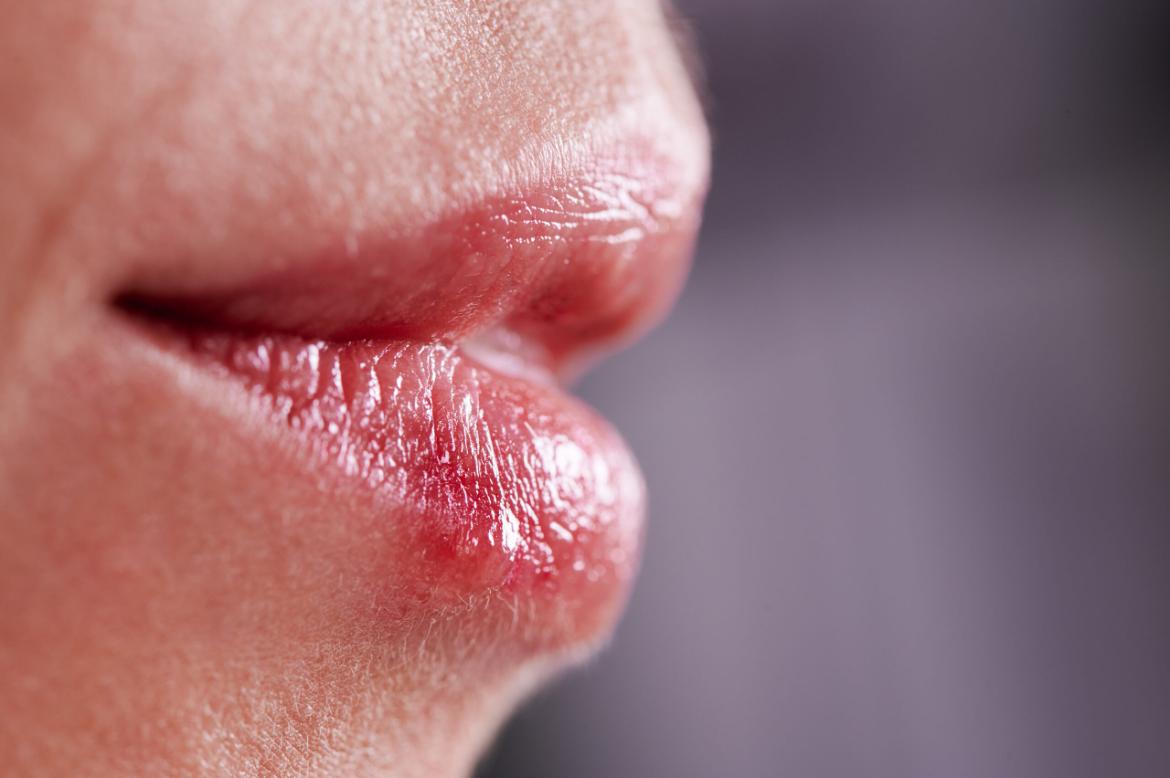
Pale
Cold sores are small, painful blisters that appear around the mouth or nose. The medical term for cold sores is "herpes labialis" or "herpes febrile." They are caused by an infection with the herpes simplex virus (HSV). This virus, commonly known as HSV-1, can be transmitted through contact with an infected person.
Cold sores typically appear around the mouth or nose, on the lips, or on the mucous membranes inside the mouth. Cold sores can often be triggered by factors such as fever, stress, sunburn, or a weakened immune system. Cold sores follow a cycle of rashes, blisters, scabs, and healing.
Cold sores are contagious and can spread easily through contact. There's a risk of transmission through skin-to-skin contact or shared objects, especially when there are active blisters.
Cold sores usually heal on their own and disappear within a few weeks. However, certain medications (such as antiviral medications) and topical treatments (such as creams or ointments) may help relieve symptoms or speed up the healing process.
Why do cold sores appear?
The primary cause of cold sores is an infection caused by the herpes simplex virus (HSV). HSV-1 is the virus that usually causes cold sores, but HSV-2 can also cause cold sores in rare cases. Once in the body, HSV colonizes nerve cells and is activated by a suitable trigger. Cold sores are often triggered by a combination of factors:
- Febrile Illnesses: Especially in children, upper respiratory tract infections or other febrile illnesses can cause cold sores.
- Stress: Physical or emotional stress can contribute to the appearance of cold sores by weakening the immune system.
- Sunlight: Prolonged sun exposure can trigger the development of cold sores on or around the lips.
- Weakened Immune System: Cold sores may occur more frequently and severely in people with weakened immune systems, such as those with HIV/ AIDS or those taking immunosuppressive therapy.
- Menstruation: Some women may experience cold sores in association with their menstrual cycle.
HSV can be spread through contact with an infected person. For example, it can be transmitted through kissing, sharing food and drinks, and objects (e.g., drinking glasses, towels) that come into contact with the lips or mouth. The contagious period is when there are active blisters, but the infection can sometimes spread without obvious symptoms.
Some people exposed to the herpes simplex virus carry the virus but never develop cold sore symptoms. Others may have recurring cold sores from time to time. The frequency and severity of cold sores can vary from person to person and may be influenced by immune system status, stress level, and other triggers.
What are the symptoms of herpes?
- Tingling and Itching: A cold sore usually begins with a tingling, itching, or burning sensation on the lips or around the mouth. These symptoms usually begin a few hours or days before the cold sore appears.
- Blisters: After tingling or itching, small, red blisters appear. These blisters are usually filled with fluid and can appear in groups or singly at the site of the cold sore.
- Pain and Tenderness: As the blisters mature, pain and tenderness may occur in the affected area. This may be particularly uncomfortable when eating, drinking, or speaking.
- Scabs: Blisters may burst within a few days and turn into open sores. Over time, the sores dry out and scab over.
- Scabs Fall Off and Healing: Scabs usually fall off after a few days, and the healing process begins. Healing is usually complete within a few weeks, resulting in the formation of new skin.
Cold sores are generally contagious once symptoms appear and are more likely to spread when blisters rupture or sores open. Practicing careful hygiene during the healing process can help reduce the risk of transmission.
What is good for colds?
- Antiviral Medications: Antiviral medications are the most effective treatment for cold sores. These medications inhibit the growth of HSV and speed up the healing process. Antiviral medications, usually prescribed in cream, ointment, or tablet form, may be more effective when used in the early stages of the infection. It's important to consult your doctor before initiating treatment.
- Pain relievers: Pain-relieving creams or oral pain relievers can be used to relieve the pain and discomfort associated with cold sores. These medications provide relief by reducing pain. Again, it's important to follow your doctor's recommendations.
- Topical Creams or Ointments: Topical creams or ointments can sometimes be used to speed up the healing process of cold sores and relieve symptoms. These are often used in conjunction with oral antiviral medications and can help promote healing.
- Cold Compress : Applying a cold compress to the cold sore area can relieve pain and swelling. You can use an ice pack or a washcloth soaked in cold water. However, cold compresses don't cure the cold sore itself; they can only temporarily relieve symptoms.
- Hygiene: Given that cold sores are contagious, it's important to follow hygiene precautions. Avoiding touching the affected area, washing your hands regularly, avoiding shared utensils, and avoiding close contact like kissing can reduce the risk of transmission.
Because cold sores can recur, it's also important to identify and avoid triggers. Managing stress, avoiding the sun, maintaining a healthy lifestyle, and boosting your immune system can help reduce the frequency and severity of cold sores.
How can we cure herpes with herbal methods?
While it can be difficult to completely clear up a cold sore with herbal remedies, some herbal treatments can alleviate symptoms and promote healing. Here are some herbal suggestions that may help relieve cold sores:
- Aloe Vera Gel: The gel form of the aloe vera plant is known for its soothing effects on the skin. Applying aloe vera gel directly to the cold sore can relieve pain and promote healing.
- Tea Tree Oil: Tea tree oil is a natural ingredient known for its antiviral and antimicrobial properties. Applying tea tree oil to a cold sore with a cotton swab can help prevent the infection from spreading. However, caution should be exercised when applying tea tree oil directly to a cold sore and the oil should be diluted appropriately for the skin.
- Propolis : Produced by bees, propolis may have antiviral and antimicrobial properties. Propolis ointment or creams containing propolis may help relieve cold sore symptoms.
- Balsam (Melissa officinalis): The balsam plant contains essential oils believed to have antiviral properties. Balsam oil can be applied to cold sores or drunk as balsam tea. However, it's important to consult a professional before using herbal products.
- Honey: Honey is a natural ingredient that may have antiviral properties. Applying honey directly to the cold sore can help promote healing. However, due to honey's sticky nature, it's important to be careful with cleansing.
When using herbal treatments, it is important to take into account individual allergies and ensure correct use.
Herpes treatment methods
- Wash your hands often and regularly with soap and water. It's especially important to wash your hands after touching an area with a cold sore.
- Keep the area around your mouth and lips clean and dry. It's especially important not to over-clean the area where you have a cold sore, as this can cause irritation.
- Avoid kissing or being in close contact with someone who has herpes. There is a risk of spreading the virus through direct contact.
- Avoid sharing personal items with people with herpes, especially makeup such as lip balm and lipstick. Sharing such items can spread the virus.
- Stress can weaken your immune system and increase the likelihood of cold sores. By practicing stress management techniques, you can reduce stress and strengthen your immune system.
- You can strengthen your immune system by following a balanced diet. It's important to follow a healthy diet that includes vitamin C, zinc, iron, and other important nutrients.
- The sun's UV rays are one of the triggers of cold sores. People with a history of cold sores on their lips, in particular, should protect their lips with sunscreen and avoid the sun's harmful effects.
