


Oil Cloth
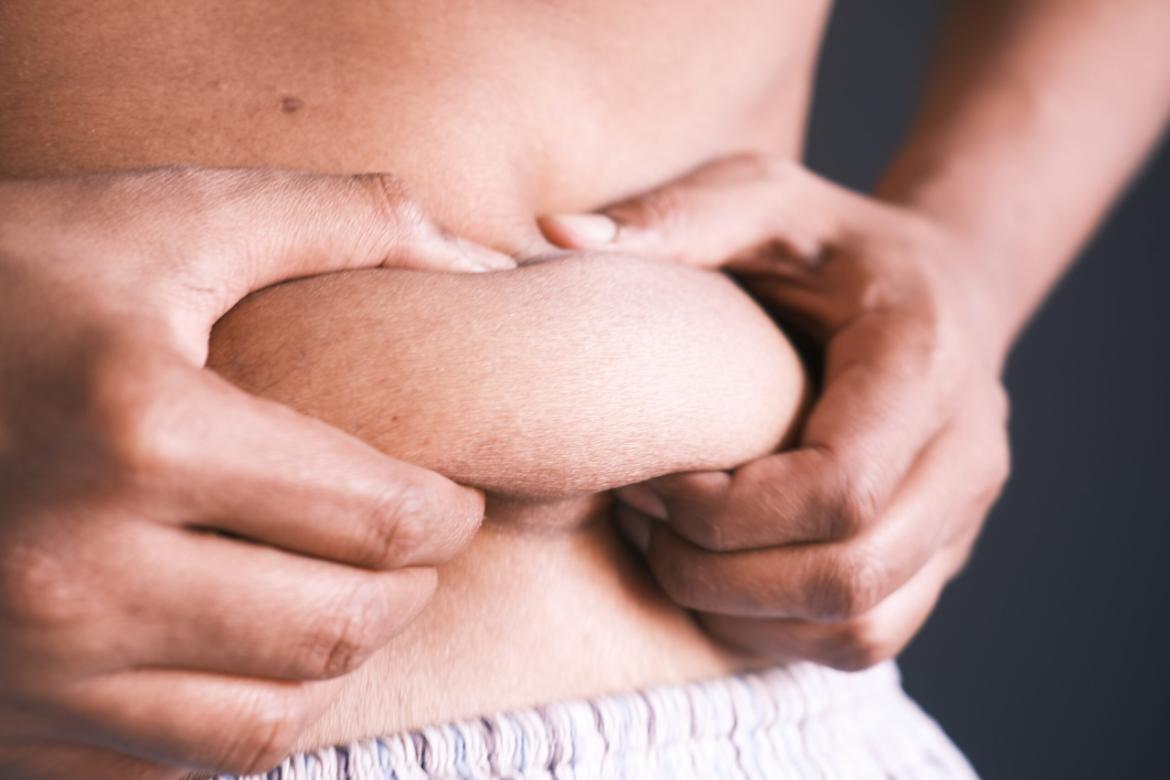
A fatty nodule , or lipoma, is a type of soft tissue mass that occurs in various parts of the body. Lipomas are usually formed by a cluster of fat cells located under the skin. These masses are usually mobile, painless, and limited in size.
Lipomas are usually round or oval in shape and feel firm or compressible to the touch. They are usually located subcutaneously, adjacent to the skin, but can also be found within internal organs or muscle tissue.
Lipomas are generally considered benign and noncancerous. In most cases, lipomas do not pose a serious health concern and are generally treated for aesthetic reasons. However, in some cases, lipomas can grow, cause pain, or compress nerves, muscles, or other tissues. In these cases, the lipoma may need to be removed.
What Causes Sebaceous Gland?
Genetic Predisposition: The higher prevalence of lipomas in some families suggests that genetic factors play a role. Inherited genetic mutations or a genetic predisposition may increase the risk of lipoma formation.
- Fat Cell Activity : Lipomas occur as a result of the abnormal growth and proliferation of fat cells. Fat cells' failure to perform their normal functions or excessive activity can trigger lipoma formation.
- Hormonal Factors: Hormonal changes are thought to play a role in lipoma formation. Hormonal imbalances, in particular, are thought to promote lipoma development.
- Age: Lipomas are more common in middle-aged and older individuals. With age, fat cell activity may increase, increasing the risk of lipoma formation.
- Obesity : Obesity can be a risk factor for the development of lipomas. In cases of obesity , fat cells increase, which can increase the likelihood of developing lipomas.
Although the factors contributing to the formation of lipomas are still not fully understood, it is thought that genetic predisposition and changes in fat cell activity may influence lipoma formation. However, the exact cause of each lipoma cannot be determined.
What are the symptoms of sebaceous gland?
Fatty nodules or lipomas can often present with the following symptoms:
Soft, movable mass: Lipomas are generally soft and elastic. Because they are located under the skin, they can move.
- A lump under the skin: Lipomas usually present as a lump or swelling that can be felt under the skin. They can vary in size; some are pea-sized, while others can be larger.
- Painlessness : Lipomas are generally painless. They do not cause tenderness or pain, but they can be uncomfortable in some cases, depending on their size or location.
- Slow growth: Lipomas tend to grow slowly. They may stay the same size for a long time or grow slowly.
- Aesthetic concerns : Lipomas often appear in areas where people are aesthetically uncomfortable. Lipomas can be particularly noticeable in visible areas such as the face, neck, arms, chest, or back.
- Symptoms in rare cases: Lipomas are usually asymptomatic, but in some cases, due to their size or location, they may cause symptoms. For example, their size can compress nerves, muscles, or other tissues, causing discomfort or limited movement.
The symptoms of lipomas can vary from person to person and depend on the location of the lipoma. If you suspect a lipoma or notice any abnormal swelling, it's important to consult a healthcare professional.
When should you see a doctor for a sebaceous gland?
A sebaceous gland is generally not a serious health problem and doesn't require treatment. However, in some cases, you may need to consult a doctor. Here are some situations where you should see a doctor for a sebaceous gland:
- A suspicious lump: If you notice a new lump on your skin or anywhere else on your body, and it's growing or changing rapidly, it's important to see your doctor. A lump that's hard, painful, or growing rapidly can be especially concerning.
- Causes symptoms: Lipomas are generally asymptomatic, meaning they don't cause pain or discomfort. However, if you experience symptoms due to the size or location of the lipoma, such as pain, tenderness, or limited movement, you should see a doctor.
- Aesthetic concerns: If the lipoma is located in a visible area (e.g. face, neck, hands) and causes aesthetic discomfort, it is recommended to consult a doctor.
- Rapid growth: Lipomas usually grow slowly or remain large. However, if a lipoma is growing rapidly, it's important to see your doctor, as there may be another underlying problem causing the rapid growth.
- Diagnosing a suspicious lipoma: If you encounter a suspicious mass before a specialist diagnoses a lipoma, it is best to consult a doctor for another opinion.
How is sebaceous gland diagnosed?
Your doctor will ask about your symptoms, when the lipoma appeared, its size, whether you have any symptoms, and whether there is a family history of similar conditions.
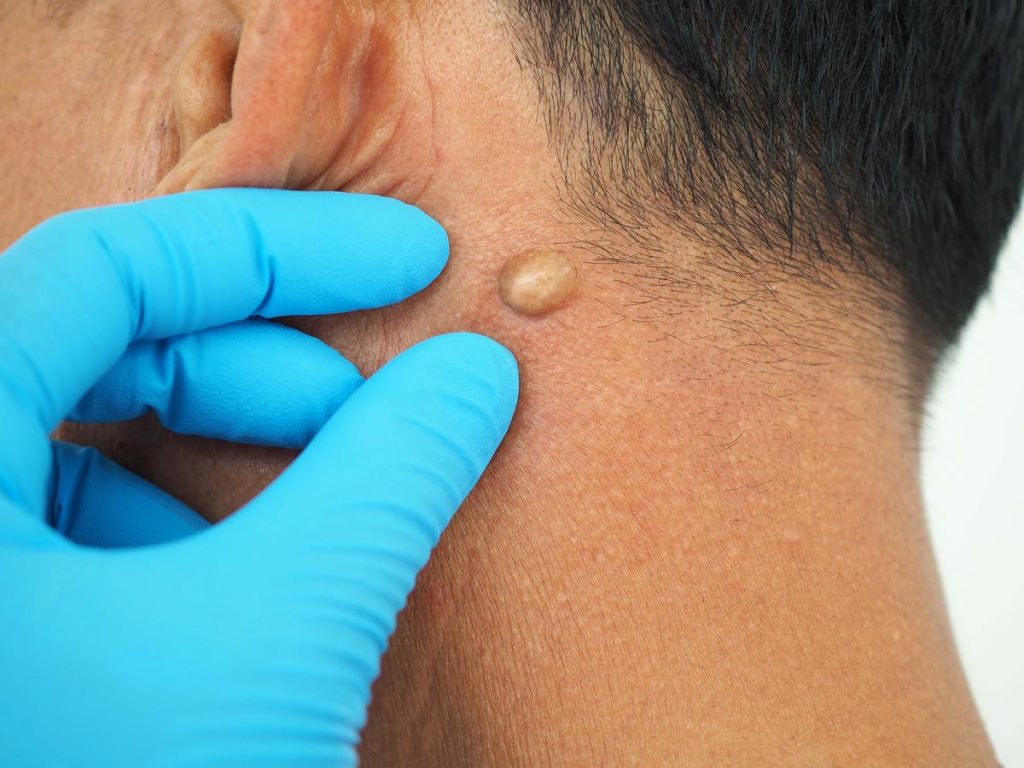
The doctor will examine the area where the lipoma is located. A lipoma can usually be felt as a mobile mass under the skin. The doctor will assess the size, shape, firmness, and consistency of the mass.
Imaging tests are generally not necessary to diagnose lipomas. However, in cases where the lipoma is large or deep-seated, a doctor may sometimes use imaging tests such as ultrasound, MRI, or computed tomography (CT). These tests can help further evaluate the lipoma's size, location, and relationship to surrounding tissues.
Most lipomas can be diagnosed by their typical appearance. However, sometimes when a lipoma is suspected or needs to be confirmed, a doctor may perform a biopsy. A biopsy involves taking a sample of the lipoma and examining it in a pathology laboratory. This can help rule out other possible skin lesions or cancers.
How is sebaceous gland treated?
A lipoma is a condition that generally doesn't require treatment, especially if it's not symptomatic or causing a serious health problem. However, if lipomas cause cosmetic concern, are rapidly growing, or are causing symptoms, treatment options may include:
- Observation: Small, painless, and asymptomatic lipomas can usually be kept under observation. Your doctor may regularly monitor the lipoma's growth rate and other symptoms.
- Surgical removal : Lipomas can usually be removed surgically. This procedure is performed under local anesthesia. The doctor cuts out the lipoma and preserves the surrounding tissue. Surgery, performed through a small incision, usually allows for complete removal of the lipoma.
- Liposuction (lipoma suction): Liposuction is a method of evacuating the contents of a lipoma using a needle and vacuum. This can be used to treat small lipomas. However, liposuction only evacuates the contents of the lipoma and does not remove the outer layer. Therefore, liposuction-treated lipomas tend to regrow.
- Laser removal: In some cases, laser lipoma removal may be an option. A laser can be used to remove a lipoma without cutting or stitches. This method is generally suitable for smaller lipomas.
Treatment options depend on the size, location, and symptoms of the lipoma. It's important to consult with a dermatologist or surgeon to determine your treatment plan and select the appropriate method.
It's important to remember that you shouldn't attempt to cut or remove a lipoma. Attempting to remove a lipoma at home or in an unprofessional setting can increase the risk of infection and other complications. If you have any concerns about your lipoma, it's best to consult a healthcare professional.
Frequently asked questions about the oil gland
What is good for the oil gland?
Surgery is required to completely remove a lipoma. Weight loss can also be beneficial.
What happens if the oil gland bursts?
- Risk of infection : If a lipoma ruptures, the fat and other materials it contains can spread to surrounding tissues. This can increase the risk of infection. Signs of infection may include redness, swelling, pain, warmth, and pus (purulent discharge).
- Inflammation : A ruptured lipoma can become inflamed, causing symptoms such as swelling, pain, and tenderness in the surrounding tissue.
- Wound healing: The wound that forms after a ruptured lipoma undergoes a healing process. This can take time and can sometimes leave a scar.
If a lipoma ruptures or becomes infected, it's important to see a healthcare professional immediately. Your doctor will take appropriate steps to control the infection and administer the necessary treatment. These typically include antibiotic therapy, wound care, and, if necessary, wound drainage.
