


Non-surgical Herniated Disc
A herniated disc is a common health problem that occurs when discs in the lumbar region of the spine become displaced or compressed. A busy work schedule, prolonged periods of inactivity at a desk job, poor sitting posture, and heavy lifting all contribute to the increased risk of herniated discs.
This condition, once treated primarily with open surgery, can now be successfully treated with nonsurgical methods thanks to advancements in modern medicine . Nonsurgical treatment methods are much more effective, especially when diagnosed early.
As Magnet Hospital, we offer non-surgical treatment options with our physicians who specialize in herniated discs.
What is a Herniated Disc?
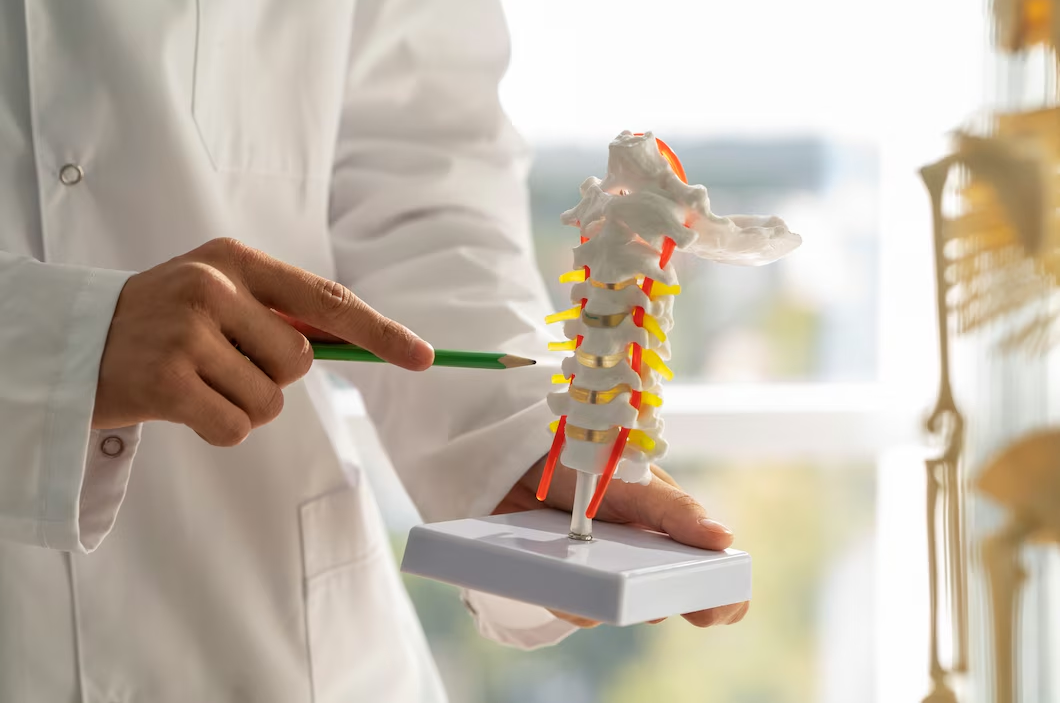
A herniated disc occurs when the discs located between the vertebrae bulge outward, pressing on the nerve roots. Discs are soft tissues that act as cushions between the vertebrae. Over time, these tissues can deform, bulge, or rupture, leading to nerve compression and severe pain.
What are the symptoms of a herniated disc?
The most common symptoms of a herniated disc are:
-
Severe pain in the lumbar region
-
Pain radiating to the buttocks and legs (sciatica)
-
Numbness, tingling sensation
-
Weakness in the feet
-
Limited movement
-
Difficulty sitting and standing up
Recognizing these symptoms at an early stage increases the success of non-surgical treatment.
What Causes a Herniated Disc?
The main causes of a herniated disc:
-
Overload lifting
-
Sedentary lifestyle
-
Excess weight
-
Incorrect sitting and lying positions
-
Age-related disc degeneration
-
Traumas
-
Wrong postures in business life
Non-Surgical Herniated Disc Treatment Methods
A herniated disc can often be treated without surgery. Thanks to the methods offered by modern medicine, patients can quickly find relief from their pain.
1. Physical Therapy
Physical therapy is used to strengthen the muscles in the lumbar region, support the spine, and reduce pressure on the nerves. Regular physical therapy prevents the progression of a herniated disc.
2. Manual Therapy
Manual therapy, administered by expert therapists, relaxes the spine and surrounding muscles. This method reduces nerve compression and provides rapid pain relief.
3. Dry Needling Therapy
Dry needling is an effective method for relieving muscle spasms and relaxing tissues. It targets trigger points in the muscles, causing them to relax.
4. Physical Rehabilitation Exercises
Individualized exercise programs support the spine and reduce pressure on the disc. Regular practice of these exercises can both reduce pain and prevent recurrence of a herniated disc.
5. PRP and Mesotherapy
PRP and mesotherapy, commonly used today, accelerate tissue healing in the area. Platelet-rich plasma (PRP), obtained from the patient's own blood, supports the repair of damaged tissue.
6. Epidural Steroid Injections
Epidural injections to reduce inflammation and edema around the nerve root are very effective, especially in patients with severe pain.
Who is Suitable for Non-Surgical Herniated Disc Treatment?
-
Those with mild to moderate hernias
-
Patients with newly onset herniated disc
-
Those whose nerve damage has not progressed
-
Those without advanced neurological findings
-
Patients who are relieved by continuous rest
-
Patients experiencing temporary relief with painkillers
Each patient's situation is different, so the treatment plan should be determined by a doctor's evaluation.
When is surgery required for a herniated disc?
Surgery is considered a last resort for a herniated disc . Surgery may be recommended in the following cases:
-
Severe and persistent pain
-
Loss of strength in the legs
-
Urinary or fecal incontinence (emergency)
-
Cases where nerve compression progresses rapidly
-
Cases that do not improve despite non-surgical treatments
How is a Herniated Disc Diagnosed?
The following methods are used to diagnose a herniated disc:
-
Physical examination
-
Magnetic resonance imaging (MRI)
-
Computed Tomography (CT)
-
EMG (Nerve test)
Thanks to these methods, the degree of hernia and nerve damage are clearly determined.
What Happens If a Herniated Disc Is Not Treated?
Untreated herniated disc can progress and lead to more severe consequences:
-
Permanent nerve damage
-
Chronic pain
-
Loss of movement
-
Permanent weakness in the legs
-
Serious decline in quality of life
Therefore, early treatment is of great importance.
Ways to Prevent a Herniated Disc
-
Exercise regularly
-
Choosing correct sitting and lying positions
-
Avoiding excess weight
-
Not staying in the same position for a long time
-
Bending your knees while lifting heavy loads
-
Using an orthopedic bed
Non-Surgical Herniated Disc Treatment at Magnet Hospital
Magnet Hospital is a healthcare facility with a team of specialist doctors who effectively utilize nonsurgical methods for the treatment of herniated discs. Personalized treatment plans are developed based on the patient's condition, and the process is closely monitored.
For appointments and detailed information:
0312 212 80 80
Frequently Asked Questions About Non-Surgical Herniated Disc
Does a herniated disc go away on its own?
Spontaneous recovery may occur in some mild cases in the early stages, but treatment is required in most cases.
What exercises are done for a herniated disc?
A personalized program is prepared by a physiotherapist. Improper exercise can worsen a hernia.
Does a herniated disc recur?
Yes. If an unhealthy lifestyle continues, the risk of recurrence is high.
Is non-surgical treatment the definitive solution?
Many patients achieve complete recovery with non-surgical methods. However, the results vary from patient to patient.
